








What's Happening?
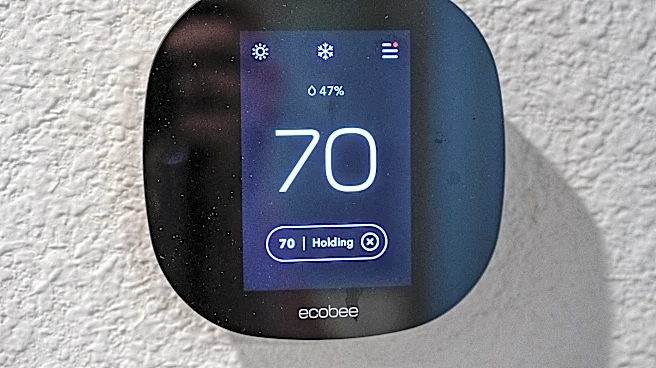
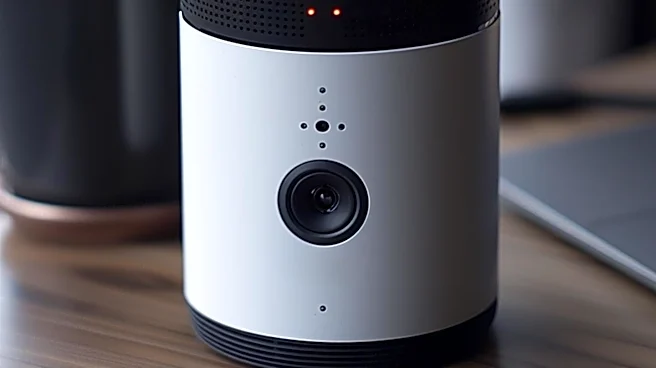
Smart home AI hubs are becoming essential components in modern households, serving as central control points for various connected devices. These hubs are designed for shared use within a home, allowing multiple family members to manage smart home functions
from a single interface. Examples include wall-mounted panels like the Amazon Echo Hub and countertop controllers such as the MOES AI Desktop Hub 5S. These devices support multiple smart home protocols, including Matter, Zigbee, Thread, and Bluetooth Low Energy, ensuring broad compatibility with different smart devices. Unlike personal AI assistants, these hubs are fixed in location and primarily focus on automating and controlling household systems like lighting, climate, and security. They are typically plugged directly into wall power, eliminating concerns about battery life and providing continuous operation. Users can interact with these hubs to disarm security cameras, dim smart bulbs, or check front-door feeds with simple taps on the screen.
Why It's Important?
The rise of smart home AI hubs signifies a significant shift in how U.S. households interact with technology, moving towards more integrated and centralized control systems. This trend impacts consumer electronics manufacturers, home builders, and utility providers. For manufacturers, it creates a demand for interoperable devices and robust hub technologies. Home builders can leverage these hubs to offer advanced smart home packages, increasing property value and appeal. The widespread adoption of these hubs could also lead to greater energy efficiency through optimized climate control and lighting, benefiting utility companies and environmental initiatives. Consumers stand to gain enhanced convenience, security, and potentially lower energy bills, but they also face considerations regarding data privacy and the potential for vendor lock-in depending on the hub's ecosystem. The emphasis on shared control also highlights a move away from individual-centric smart devices towards family-oriented technological solutions.
What's Next?
The smart home AI hub market is expected to continue evolving with advancements in edge computing capabilities, improved device certifications, and rapid firmware updates. Future developments may include more sophisticated AI integration for predictive automation and personalized user experiences, while still maintaining their role as shared household controllers. Manufacturers will likely focus on enhancing the seamless integration of diverse smart devices and improving user interfaces to make these hubs even more intuitive. The industry will also need to address growing concerns about data security and privacy as more personal information is processed through these central systems. Additionally, the expansion of Matter certification and other universal protocols will be crucial for fostering greater interoperability and reducing fragmentation in the smart home ecosystem, making it easier for consumers to choose and integrate devices from various brands.
Beyond the Headlines
Beyond their immediate utility, smart home AI hubs raise deeper implications concerning the future of domestic living and digital privacy. The centralization of home control through these hubs could lead to a more interconnected and responsive living environment, but it also concentrates data collection, posing potential ethical and legal challenges regarding who owns and accesses this information. The increasing reliance on AI for home automation could subtly reshape daily routines and expectations of convenience, potentially leading to a redefinition of 'home comfort.' Furthermore, the development of these hubs could influence urban planning and infrastructure, as smart homes become a standard rather than a luxury. The long-term societal impact might include changes in energy consumption patterns, increased accessibility for individuals with disabilities, and new forms of digital interaction within family units, all while navigating the complex landscape of technological dependence and data governance.