




What's Happening?
Season 3 of 'Percy Jackson and the Olympians' is adapting Rick Riordan's third book, 'The Titan's Curse,' for Disney+ and Hulu. Co-creator/executive producer Jonathan E. Steinberg emphasizes the continued centrality of Percy and Annabeth's friendship,
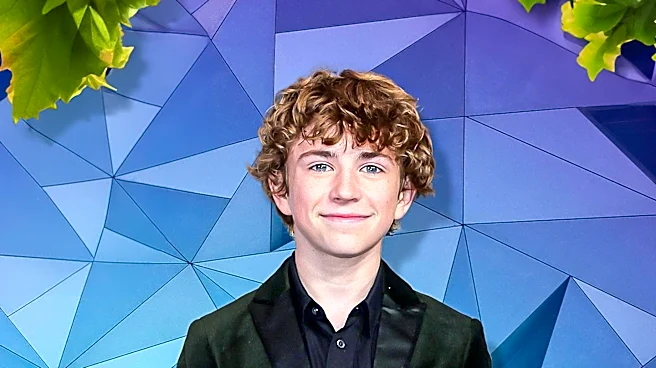
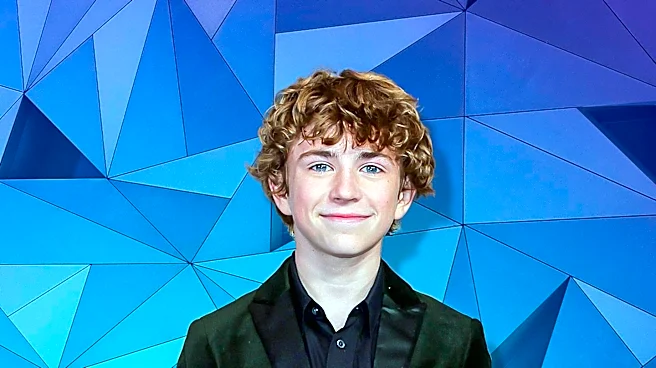
exploring themes of loss and mutual importance. The production team, including EPs Dan Shotz and Craig Silverstein, faces the challenge of bringing the book's epic monsters and battles to life on a grand scale, aiming for a unique visual identity for the series. A significant narrative shift involves moving beyond Percy's first-person point of view, allowing the camera to follow other characters and explore events Percy doesn't directly witness. This adaptation strategy aims to deepen the story by showing other perspectives, such as Annabeth's experiences while separated from Percy, and integrating characters like Clarice more prominently, even when they have limited presence in the source material. The cast, including Walker Scobell (Percy), Leah Sava’ Jeffries (Annabeth), and Aryan Simhadri (Grover), reread the books for preparation but remain flexible for script changes.
Why It's Important?
The adaptation choices for 'Percy Jackson and the Olympians' Season 3 are crucial for both fan engagement and the series' creative evolution. By expanding beyond Percy's singular perspective, the show aims to enrich the narrative and provide a more comprehensive view of the mythological world. This approach allows for deeper character development for figures like Annabeth and Clarice, potentially satisfying fans who desire more screen time for these beloved characters. The challenge lies in balancing these narrative expansions with faithfulness to the source material, a common tightrope walk for book-to-screen adaptations. Successfully navigating this can broaden the show's appeal beyond existing fans, attracting new viewers who appreciate complex storytelling. The series' ability to visually realize the fantastical elements of Riordan's world on a television budget also sets a precedent for future high-fantasy adaptations, demonstrating what is achievable in the streaming landscape.
What's Next?
As Season 3 unfolds, viewers can expect to see how the expanded perspectives and character integrations impact the overall storyline and character arcs. The introduction of Thalia as a more prominent figure, creating a rivalry with Percy, will likely be a key dynamic to watch. The series will continue to explore the overarching conflict between the gods and Titans, with major 'chess pieces' coming onto the board, as described by Silverstein. The creative team will likely monitor fan reception to the narrative changes, particularly regarding deviations from Percy's point of view and the increased roles for characters like Annabeth and Clarice. The success of these adaptations could influence future seasons, potentially leading to further narrative experimentation or a return to more direct book-to-screen translation based on audience feedback. The actors, particularly Walker Scobell, are also entering new phases of their lives, with Scobell finishing high school and awaiting news on a potential fourth season, adding a layer of personal anticipation to the show's future.
Beyond the Headlines
The creative decisions in 'Percy Jackson and the Olympians' Season 3 reflect a broader trend in adaptations: the desire to enhance and expand upon beloved source material for a new medium. Moving beyond a strict first-person narrative challenges the traditional boundaries of adaptation, allowing for a more ensemble-driven story. This approach can deepen the emotional resonance by providing insights into characters' motivations and experiences that were previously only hinted at. Ethically, it raises questions about authorial intent versus creative interpretation, though the involvement of Rick Riordan suggests a collaborative evolution. Legally, such expansions are typically covered by adaptation rights, but the artistic implications are significant. Culturally, the series contributes to the ongoing fascination with Greek mythology, demonstrating its timeless appeal and adaptability to contemporary storytelling. The show's success in balancing fidelity with innovation could influence how future adaptations approach their source texts, encouraging more dynamic and interpretive storytelling rather than mere replication.