






What's Happening?
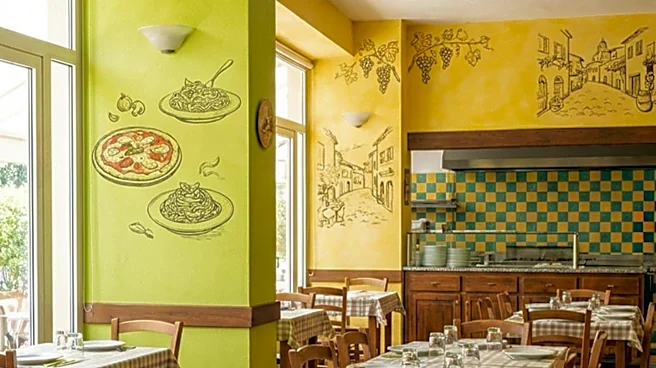
Louise's Trattoria, an Italian restaurant chain that operated for 48 years, has closed its last remaining location in Larchmont Village, Los Angeles, on November 25, 2026. The chain, which began in Santa Monica in 1978, had expanded across Southern California
and to cities like Milwaukee and Philadelphia before consolidating due to financial challenges. Owner Rob Serritella announced the closure with 'bittersweet emotions,' thanking customers for their support over the decades. While Serritella did not specify the reason for the closure, industry experts like Michael J. Ingram, vice president at National Franchise Sales, attribute such closures to rising costs in rent, labor, and food products, particularly in high-wage states. These increased expenses often force restaurants to raise menu prices, leading to a decline in customer spending and making it difficult to cover existing debt and operational costs. The chain had previously filed for bankruptcy in 1997 after its East Coast expansion.
Why It's Important?
The closure of Louise's Trattoria highlights the significant financial pressures facing the U.S. restaurant industry, particularly in high-cost urban areas. Rising operational expenses, including rent, labor, and food, are making it increasingly difficult for establishments, even long-standing ones, to remain profitable. This trend can lead to a reduction in dining options for consumers and job losses within the hospitality sector. The reluctance of consumers to spend on dining out due to higher menu prices further exacerbates the problem, creating a challenging economic environment for restaurant owners. The situation underscores a broader economic shift where businesses are struggling to balance increased costs with consumer affordability, impacting local economies and the cultural landscape of communities that value such establishments.
What's Next?
The owner of Louise's Trattoria, Rob Serritella, plans to release a recipe book based on popular demand from customers, with announcements to be made via social media and email. This initiative could offer a new revenue stream and a way to preserve the legacy of the restaurant's recipes. For the broader restaurant industry, the challenges of rising costs and consumer spending habits are expected to continue. Businesses may need to explore innovative strategies to manage expenses, attract customers, and adapt to changing market conditions. This could include focusing on efficiency, diversifying offerings, or seeking government support programs designed to aid small businesses in high-cost regions. The closure of iconic establishments like Louise's Trattoria may also prompt discussions among policymakers about potential interventions to support the struggling hospitality sector.
Beyond the Headlines
The closure of Louise's Trattoria represents more than just a business failure; it signifies the loss of a community institution that served generations of families and contributed to the culinary identity of Southern California. Such closures can erode local culture and history, as these establishments often hold sentimental value and serve as gathering places. The trend of rising costs disproportionately affecting local and independent businesses could lead to a more homogenized culinary landscape, dominated by larger chains that can better absorb financial shocks. This situation also raises questions about the sustainability of urban living and the economic viability of small businesses in areas with high living and operating costs, potentially leading to broader socio-economic impacts on community development and local employment.