








What's Happening?
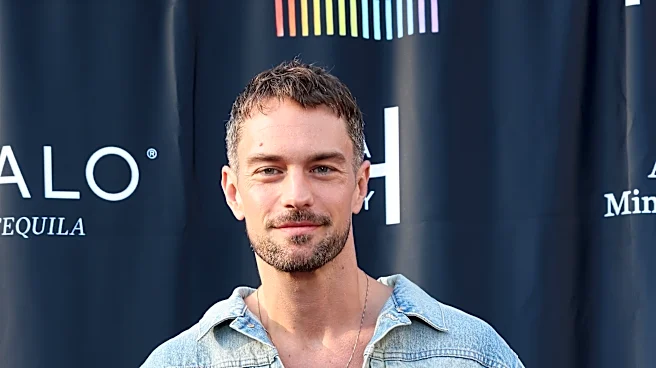
Former child actors Drake Bell, known for 'Drake & Josh,' and Dylan Sprouse, from 'Zack and Cody,' have publicly stated that they did not receive residual payments for their work on popular Nickelodeon shows. Bell revealed in an interview that he only
received weekly checks during production and no residuals thereafter. Similarly, Sprouse confirmed that he has not received any residual checks from 'Zack and Cody,' with his only residual payment coming from a 'Hannah Montana' crossover episode. This has sparked discussion regarding the contractual agreements for child actors at Nickelodeon and the perceived lack of long-term financial compensation for their contributions to highly successful shows. The issue highlights a potential disparity in how child actors are compensated compared to adult actors in the entertainment industry, particularly concerning the ongoing revenue generated by their past work.
Why It's Important?
The allegations from Drake Bell and Dylan Sprouse are significant as they bring to light potential systemic issues within the compensation structures for child actors in the U.S. entertainment industry. The absence of residual payments means that these actors do not benefit from the continued syndication, streaming, or re-airing of shows that often generate substantial revenue for networks like Nickelodeon. This situation can leave child stars, who often dedicate their formative years to their craft, without financial security in the long term, especially if their careers do not continue into adulthood. It raises questions about the fairness of contracts negotiated on behalf of minors and the responsibility of studios and networks to ensure equitable compensation for talent that contributes to their enduring success. This could prompt greater scrutiny from unions and advocacy groups regarding child labor laws and fair compensation practices in Hollywood.
What's Next?
The public statements by Drake Bell and Dylan Sprouse could lead to increased pressure on Nickelodeon and other networks to review their compensation policies for child actors. This might also encourage other former child stars to come forward with similar experiences, potentially sparking a broader conversation about industry standards. Child advocacy groups and actors' unions may investigate these claims further, possibly pushing for reforms in contractual agreements to ensure child actors receive fair residual payments. While immediate changes are not guaranteed, the growing public awareness could influence future negotiations and potentially lead to legislative efforts aimed at protecting the financial interests of young performers in the entertainment sector.
Beyond the Headlines
The issue of residual payments for child actors extends beyond mere financial compensation; it touches upon ethical considerations regarding the exploitation of minors in high-stakes industries. The lack of residuals can be seen as a failure to acknowledge the lasting value and intellectual property created by these young performers. This situation also highlights the power imbalance between major studios and young talent, who often lack the experience or leverage to negotiate comprehensive contracts. The long-term implications could include a re-evaluation of how child actors' careers are managed, potentially leading to stricter regulations on contracts and greater oversight to ensure their financial well-being and protection from potential exploitation. It also underscores the need for better education and support systems for child actors and their families to navigate the complexities of the entertainment business.