






What's Happening?
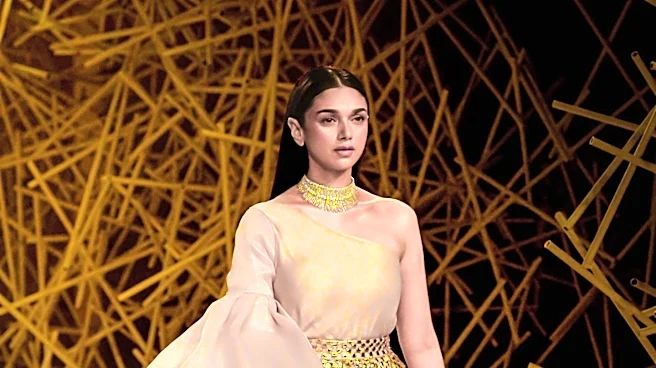
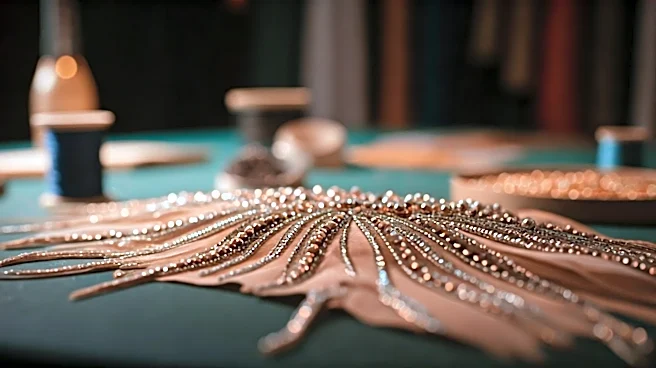
Paris Couture Week for Fall/Winter 2026 is set to feature a diverse lineup of 30 fashion houses, showcasing a blend of traditional craftsmanship and modern innovations. Notable highlights include the debut couture shows of Pierpaolo Piccioli at Balenciaga
and Duran Lantink at Jean Paul Gaultier. The event will also see the return of designers like Iris van Herpen, known for her imaginative designs. Alexis Mabille, who previously introduced a virtual reality runway show, will continue to explore this technology in future projects. The week will also feature high jewelry presentations from major brands like Dior and Hermès. Absent from this season's lineup are Valentino and Maison Margiela, among others.
Why It's Important?
Paris Couture Week is a significant event in the fashion industry, setting trends and showcasing the creative directions of leading designers. The inclusion of virtual reality elements by designers like Alexis Mabille highlights the industry's ongoing integration of technology, potentially influencing future fashion presentations. The absence of major brands like Valentino and Maison Margiela may shift attention to emerging designers, offering them a platform to gain recognition. This event also underscores the importance of high jewelry in fashion, with several luxury brands unveiling new collections, which could impact consumer trends and luxury market dynamics.
What's Next?
Following Paris Couture Week, the fashion industry will likely see increased interest in virtual reality as a tool for enhancing fashion shows. Designers may explore new ways to incorporate technology into their presentations, potentially leading to more immersive experiences for audiences. The absence of some major brands might encourage other designers to innovate and fill the gap, possibly leading to a more diverse range of styles and ideas in future fashion weeks. Additionally, the high jewelry presentations could influence upcoming trends in luxury accessories, impacting consumer preferences and market strategies.
Beyond the Headlines
The integration of virtual reality in fashion shows represents a broader trend of digital transformation within the industry. This shift could lead to more sustainable practices by reducing the need for physical shows and travel. Moreover, the focus on craftsmanship and intimacy, as seen in this year's lineup, may reflect a growing consumer desire for authenticity and quality in fashion. The event also highlights the global nature of the fashion industry, with designers from various countries contributing to a rich tapestry of cultural influences and styles.