






What's Happening?
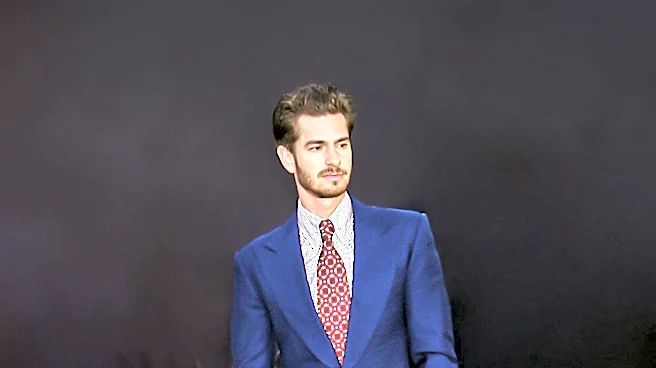
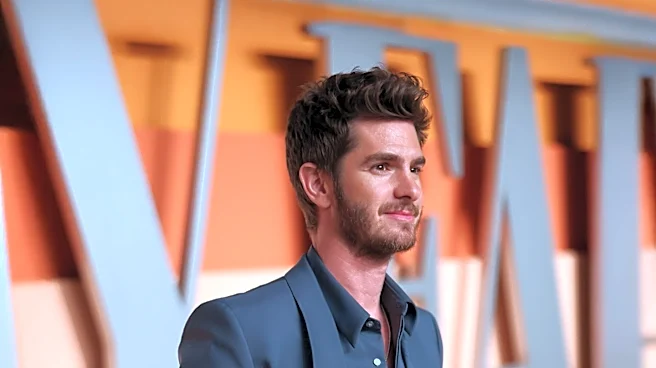
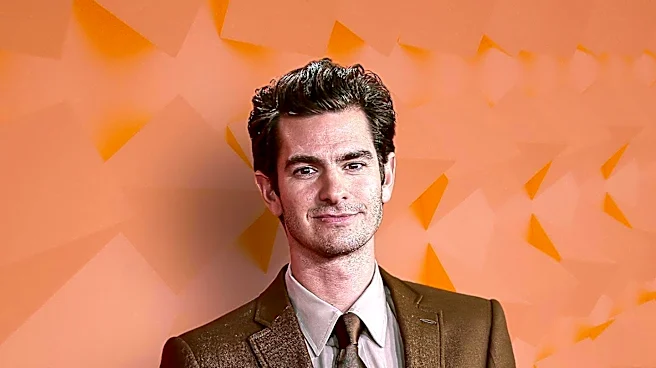
Actor Andrew Garfield has publicly admitted to maintaining a secret Instagram account, despite having no official public social media presence. He confessed to being as addicted to the platform as anyone else, citing 'horrific' screen time notifications
as evidence. Garfield revealed that his algorithm primarily feeds him content related to 'weird ceramics' and Japanese craftspeople. He expressed frustration over the manipulative design of social media platforms, which he believes gives users less control over their impulses. This confession comes as Garfield promotes his new family film, 'The Magic Faraway Tree,' which centers on a tech-dependent family moving to the countryside. He also shared a personal strategy for reducing screen time, suggesting that leaving one's phone in another room can significantly help.
Why It's Important?
Andrew Garfield's revelation highlights a pervasive societal issue: the widespread addiction to social media and screen time, even among those who outwardly eschew such platforms. His candidness about the 'enraging' and manipulative design of these apps underscores growing concerns about digital well-being and the psychological impact of constant connectivity. For the entertainment industry, this could spark further discussions about how public figures manage their online personas versus their private digital habits. More broadly, it reinforces the idea that screen time addiction is not limited to any specific demographic but is a universal challenge in the digital age, affecting individuals across various professions and lifestyles. His comments may resonate with many who struggle with similar issues, potentially encouraging a broader conversation about digital detox and mindful technology use.
What's Next?
Garfield's comments may prompt further public discussion and introspection regarding screen time and social media addiction. It could encourage other public figures to share their experiences, potentially destigmatizing the issue. For technology companies, such high-profile critiques might intensify pressure to address the addictive nature of their platforms, possibly leading to new features or policies aimed at promoting healthier usage habits. Individuals might be inspired to adopt strategies like Garfield's, such as physically separating themselves from their devices, to manage their own screen time. The ongoing promotion of 'The Magic Faraway Tree' could also benefit from this discussion, as its themes align with the broader conversation about technology's role in modern life.
Beyond the Headlines
Beyond the immediate news, Garfield's admission touches on deeper ethical and cultural implications of digital technology. His frustration with the manipulative design of social media platforms raises questions about corporate responsibility in fostering addictive behaviors. This could fuel debates about stricter regulations on tech companies, similar to those in other industries where products can have detrimental public health impacts. Culturally, it reflects a growing tension between the convenience and connectivity offered by digital tools and the desire for genuine human connection and presence. The struggle to control digital impulses, even for a celebrity, underscores a fundamental shift in how individuals interact with their environment and manage their attention, pointing to a long-term societal challenge in balancing technological advancement with human well-being.