



What's Happening?
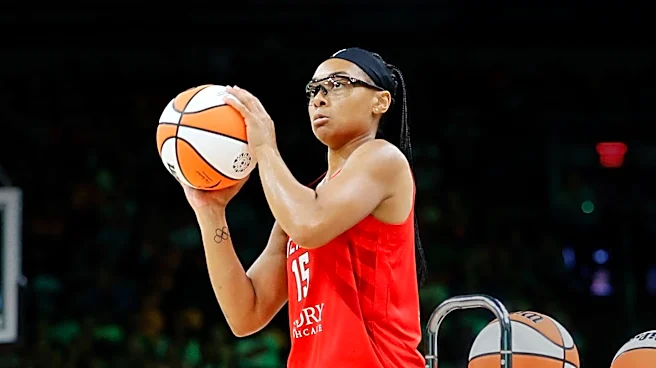
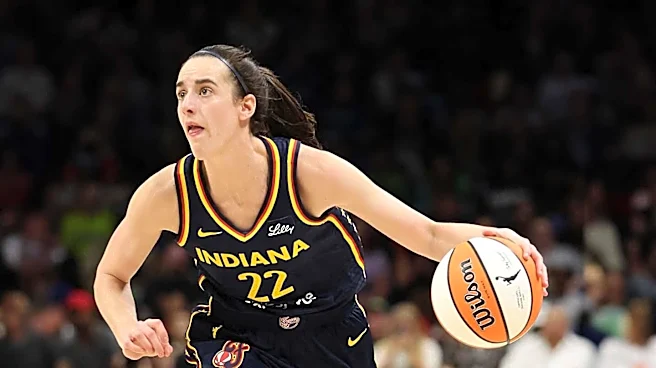
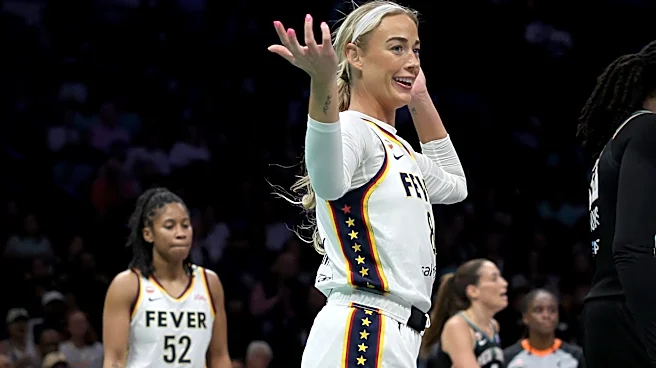
Indiana Fever guard Sophie Cunningham has publicly challenged comedian Theo Von's assertion that he could score 8 points in three quarters against WNBA talent. During an appearance on the 'No Hesitation' podcast, Cunningham directly refuted Von's claims,
stating that he would likely need frequent breaks and that she would easily defeat him in a one-on-one game, potentially with a score of eleven to zero. This exchange highlights a broader trend of male overconfidence regarding their ability to compete against professional female athletes. Cunningham also recounted an incident where an Uber driver made similar dismissive remarks about her skills. The discussion underscored the perceived disrespect WNBA players often face from individuals who underestimate their professional athletic capabilities. Cunningham emphasized that professional basketball requires extensive training and skill, which casual players lack.
Why It's Important?
This interaction is significant as it brings attention to the ongoing issue of gender bias and underestimation of female athletes in professional sports. Sophie Cunningham's direct challenge to Theo Von's comments serves as a powerful statement against the casual dismissal of WNBA players' skills and athleticism. It highlights a prevalent societal attitude where male amateur athletes often believe they can outperform professional female athletes, despite lacking the rigorous training and experience. This narrative can undermine the credibility and recognition of women's sports, impacting viewership, sponsorship, and overall respect for female athletes. By speaking out, Cunningham contributes to a larger conversation about gender equality in sports and the need to acknowledge the elite talent within leagues like the WNBA, pushing back against stereotypes and promoting a more accurate perception of women's athletic prowess.
What's Next?
The public exchange between Sophie Cunningham and Theo Von is likely to fuel further discussions within sports media and social platforms regarding the capabilities of WNBA players versus male amateurs. This could lead to increased debate and potentially more athletes or commentators weighing in on the topic. It may also encourage more WNBA players to speak out against similar dismissive attitudes, fostering a stronger collective voice for gender equality in sports. The incident could also prompt media outlets to create content that directly addresses these misconceptions, perhaps through comparative analyses or interviews with athletes. Ultimately, this conversation could contribute to a gradual shift in public perception, encouraging greater respect and recognition for the professional skill level of women's basketball players and female athletes in general.
Beyond the Headlines
Beyond the immediate debate, this incident touches upon deeper cultural and psychological aspects of gender perception in competitive fields. The persistent belief among some men that they could easily compete with professional female athletes may stem from ingrained societal biases and a lack of exposure to the elite level of women's sports. This phenomenon extends beyond basketball, reflecting broader issues of gender roles and perceived physical capabilities. The challenge posed by Cunningham not only defends the integrity of the WNBA but also serves as a broader critique of male-centric narratives that often undervalue women's achievements. It highlights the importance of representation and education in dismantling these biases, fostering a more equitable appreciation for talent regardless of gender, and encouraging a more nuanced understanding of athletic excellence.