



What's Happening?
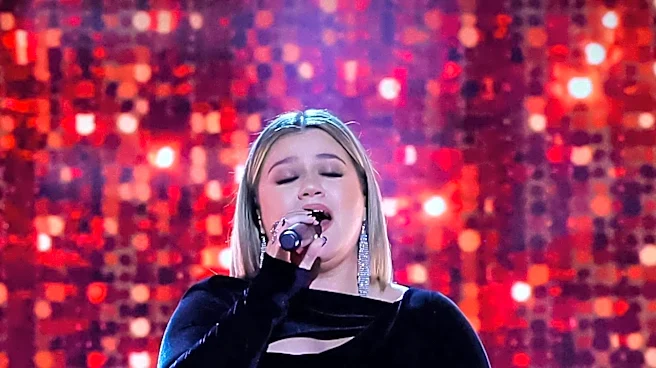
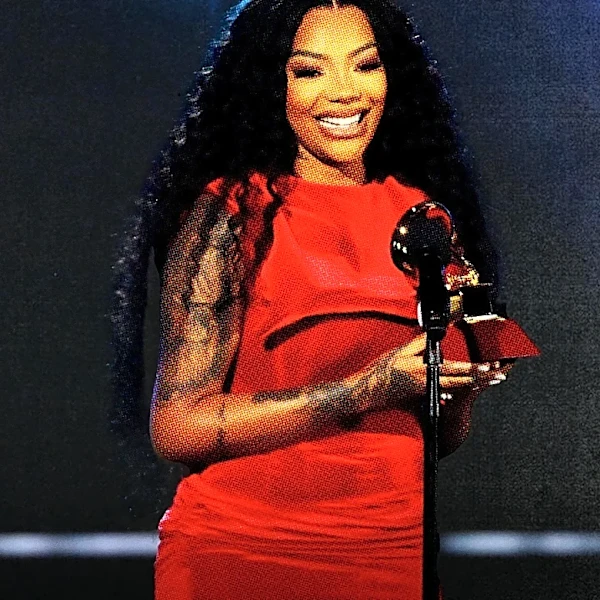
Stella Lefty, a prominent country artist with over 17 million monthly Spotify listeners and Billboard chart-topping songs from her debut album 'Long Way Home,' is facing criticism for the quality and authenticity of her music. Critics argue that Lefty's
music, while popular, lacks the raw honesty and deep political and social context traditionally associated with the country genre. Born Stella Lefkofsky into a wealthy Chicago family, with her father owning Groupon, Lefty has also faced 'nepo-baby' accusations. Her discography primarily focuses on themes of heartbreak and interpersonal relationships, with one exception addressing mental health. Reviewers describe her songs as superficial, uninventive, and repetitive, often featuring simple lyricism. Furthermore, Lefty recently settled a plagiarism dispute with Noah Kahan over similarities between her song 'Boston' and Kahan's 'Stick Season,' resulting in Kahan receiving a songwriting credit.
Why It's Important?
This critique of Stella Lefty's music highlights a broader trend within contemporary country music where artists are perceived to prioritize aesthetic over the genre's historical and thematic depth. The country genre has a rich tradition of political and social commentary, with artists like Willie Nelson and Dolly Parton known for their anthems advocating for the 'working man' and expressing diverse political opinions. The emergence of artists like Lefty, Ella Langley, and Morgan Wallen, who lean towards politically and socially neutral themes, signals a potential shift in the genre's identity. This shift could alienate traditional country music fans who value the genre's storytelling, authenticity, and engagement with real-world issues. It also raises questions about the influence of commercial success and industry trends on artistic integrity and the preservation of genre-specific characteristics.
What's Next?
Despite the criticism, Stella Lefty's significant audience and chart success suggest she will likely continue to have a prominent career in country music. The ongoing debate about authenticity and thematic depth within the genre may prompt other emerging artists to either double down on the pop-country aesthetic or consciously strive to incorporate more traditional country elements and social commentary into their work. Record labels and producers might also face pressure to balance commercial viability with artistic integrity, potentially influencing the types of artists they sign and promote. The discussion could also lead to a more pronounced divide between traditional country music and its modern, pop-influenced counterparts, with different fan bases gravitating towards artists that align with their preferences for genre authenticity or mainstream appeal.
Beyond the Headlines
The discussion surrounding Stella Lefty's music extends beyond mere artistic preference, touching upon broader cultural and economic implications within the music industry. The 'nepo-baby' accusations, while not directly impacting her music's quality, highlight ongoing debates about privilege and access in entertainment, questioning whether success is always merit-based. The plagiarism dispute also underscores the challenges of intellectual property in a rapidly evolving music landscape, where influences and similarities can be contentious. Furthermore, the trend of country music becoming more 'meaningless' or politically neutral could reflect a wider societal shift towards less confrontational or more universally palatable art, potentially diluting the genre's historical role as a voice for specific communities and social issues. This could lead to a homogenization of musical expression, where commercial success overshadows unique artistic voices and critical social commentary.