






What's Happening?
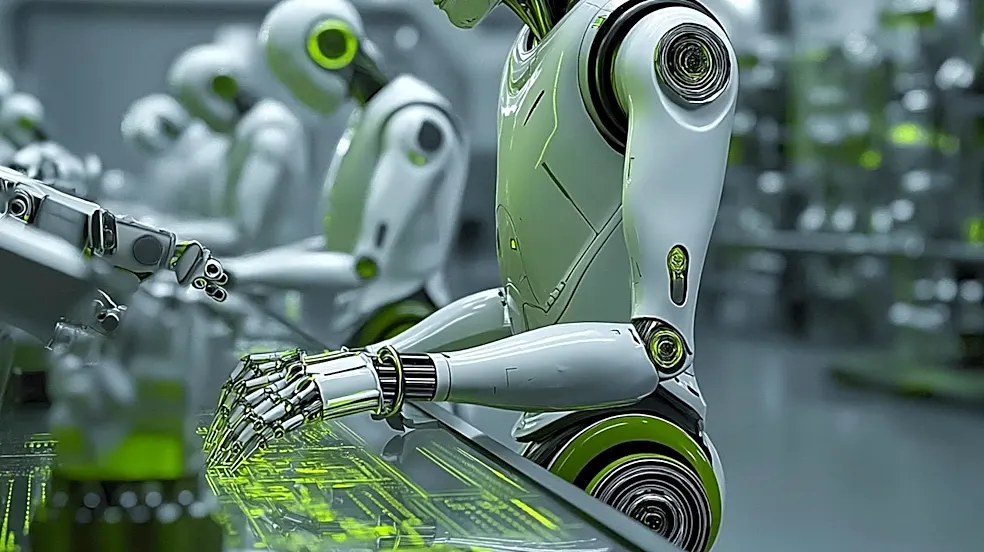
Tesla has commenced production of its Optimus humanoid robot at its factory in Fremont, California, utilizing a manufacturing space previously dedicated to electric vehicles. The company announced that these are the first production-quality bots, indicating
that the current manufacturing process is suitable for a commercial product, despite ongoing iterations on hardware and manufacturing. This development comes as Tesla reported a 43% drop in profits for the third quarter, with net income falling to $787 million from $1.37 billion in the same period last year. Revenue remained flat at $28.04 billion, primarily driven by EV sales, which were also flat year-over-year. The profit decline is attributed to skyrocketing expenses from investments in Optimus robots, AI, and autonomous driving technologies.
Why It's Important?
Tesla's initiation of Optimus robot production signifies a major strategic pivot for the company, diversifying its focus beyond electric vehicles into advanced robotics and artificial intelligence. This move could position Tesla as a significant player in the burgeoning humanoid robot market, potentially disrupting various industries by providing automated labor solutions. However, the substantial investment in these new ventures has directly impacted the company's profitability, as evidenced by the 43% drop in third-quarter earnings. This financial strain highlights the high-risk, high-reward nature of pioneering new technologies. The success or failure of Optimus will have significant implications for Tesla's long-term financial health and its reputation as an innovation leader.
What's Next?
Tesla CEO Elon Musk has described the current phase as 'early production' and anticipates a slow and 'somewhat bumpy' ramp-up due to the radical nature of the product. He projects the company will be able to produce 20,000 Optimus robots per week by the end of 2027. Significant work remains on refining the robot's design for safety, reliability, and durability, as well as advancing its AI capabilities for open-ended tasks. The company also plans to start selling its Cybercab to customers by the end of the year, expanding sales as it gains more experience with autonomous vehicle fleets. These ambitious timelines suggest a period of intense development and potential market disruption, but also continued financial pressure as investments in these new technologies continue.
Beyond the Headlines
The launch of Optimus production by Tesla raises profound questions about the future of labor, automation, and the ethical implications of humanoid robots. If Tesla achieves its production targets, the widespread deployment of Optimus robots could lead to significant shifts in employment across various sectors, potentially displacing human workers in manufacturing, logistics, and service industries. This development could also spark debates about the societal impact of advanced AI and robotics, including issues of job security, economic inequality, and the integration of autonomous entities into daily life. Tesla's aggressive push into this frontier technology underscores a broader trend towards automation that could redefine human-technology interaction and the structure of global economies.