





What's Happening?
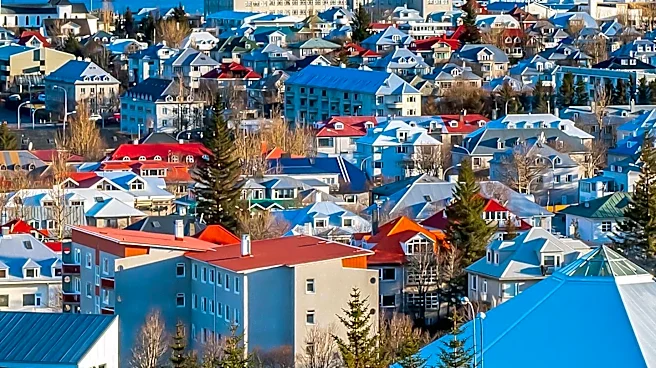
Reykjavík, the capital of Iceland, is highlighted as a city rich in culture, history, and natural beauty, making it an attractive destination for visitors in May. The city boasts a vibrant music scene, unique architecture, and a deep connection to Viking
history. It is also recognized as a UNESCO City of Literature and supports a thriving contemporary art scene with numerous galleries, museums, and artist associations. For those planning a visit in May, the city and surrounding areas offer a blend of mild weather, longer daylight hours, and fewer crowds compared to peak summer months. Travelers are advised to pack for varied conditions, including sturdy hiking boots, swimsuits for hot springs, sunscreen, and smart attire for nightlife. The city's nightlife is concentrated around Laugavegur Street, with many establishments staying open late. Culinary experiences range from hearty winter dishes to al fresco dining featuring Icelandic hot dogs.
Why It's Important?
The promotion of Reykjavík as a cultural and outdoor destination in May is significant for the tourism sector, particularly as it targets a shoulder season, aiming to distribute tourist traffic more evenly throughout the year. By emphasizing milder temperatures, longer daylight, and fewer crowds, it offers an alternative to the more congested summer months, potentially enhancing visitor experience and reducing strain on infrastructure. This strategy can also benefit local businesses, including hotels, tour operators, and restaurants, by extending their operational season and providing more consistent revenue. The focus on cultural aspects, such as art and literature, alongside natural attractions, diversifies Iceland's appeal beyond its dramatic landscapes, attracting a broader range of international visitors interested in both adventure and cultural immersion. This balanced approach to tourism development can contribute to the sustainable growth of the Icelandic economy.
What's Next?
Visitors to Reykjavík in May can anticipate a range of activities, including exploring the city's museums and art galleries, such as the Reykjavík Art Museum and the National Gallery of Iceland. Iconic landmarks like Hallgrímskirkja church and Harpa concert hall are also key attractions. Outdoor enthusiasts can take advantage of improved road conditions to embark on road trips along the Ring Road or the Golden Circle, with opportunities for hiking to waterfalls like Skógafoss and Dettifoss. Geothermal hot springs, including the famous Blue Lagoon and Sky Lagoon, will be accessible for relaxation. The city will also host events like Labor Day celebrations and potentially the biennial Reykjavík Arts Festival, offering cultural engagement. Travelers should note that while May offers many advantages, the Northern Lights are not visible due to extended daylight, and some F-roads in the Highlands may still be closed.
Beyond the Headlines
The emphasis on Reykjavík's cultural and natural offerings in May reflects a broader trend in tourism towards experiential travel and sustainable practices. By encouraging visits during the shoulder season, Iceland aims to mitigate the environmental and social impacts of over-tourism during peak times. The blend of urban cultural experiences with accessible outdoor adventures caters to a growing demographic of travelers seeking authentic and diverse engagements. Furthermore, the city's status as a UNESCO City of Literature and its vibrant art scene underscore the importance of cultural heritage and contemporary creativity in shaping a destination's identity. This approach not only attracts tourists but also fosters local pride and investment in cultural institutions, contributing to the long-term vitality of Reykjavík as a global cultural hub.