







What's Happening?
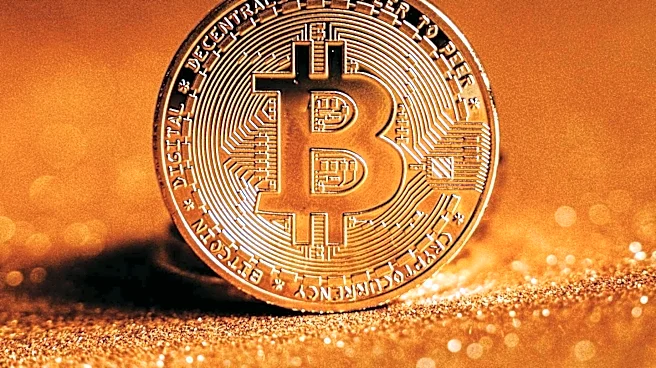
Bitcoin's price fell to approximately $63,500, marking a decline of over half a percent on the day and nearly 2% for the week. This movement comes in the wake of a U.S. inflation report that met economists' expectations, showing a 0.1% monthly increase
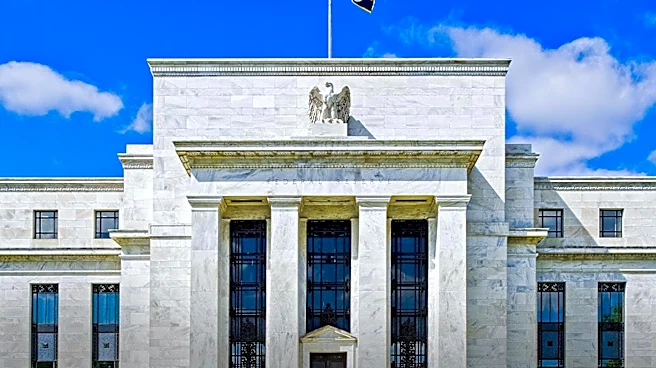
and a 3.4% annual rise in headline inflation. The core inflation measure, excluding food and energy, rose by 0.2% and eased to 2.5%. Despite the inflation data calming market nerves, it was insufficient to drive significant market movement. Other cryptocurrencies also experienced declines, with Dogecoin dropping nearly 3% and XRP falling over 1%. The inflation report has influenced the futures market, reducing the likelihood of a Federal Reserve rate hike in September from 46% to 38%.
Why It's Important?
The current market dynamics highlight the sensitivity of cryptocurrency prices to macroeconomic indicators such as inflation and central bank policies. The Federal Reserve's decisions on interest rates are crucial for investors, as they impact borrowing costs and economic growth. A potential rate hike could strengthen the U.S. dollar, making cryptocurrencies less attractive as alternative investments. The reduced probability of a rate hike suggests that the Federal Reserve may maintain a cautious approach, which could stabilize or even boost cryptocurrency prices in the short term. This situation underscores the interconnectedness of traditional financial markets and digital assets, influencing investment strategies and market sentiment.