








What's Happening?
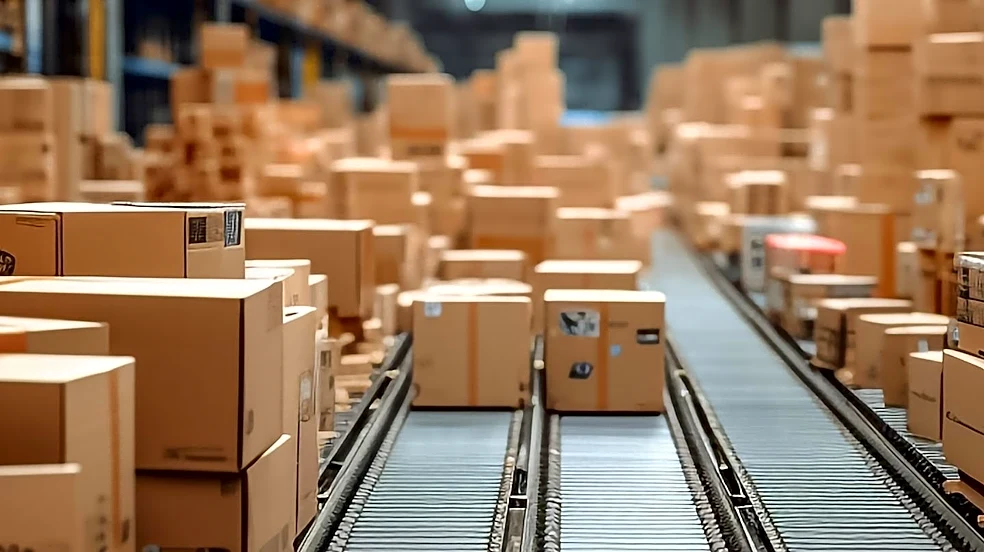
Alvy Logistics is providing warehousing services from a 58,000 sq ft ambient warehouse located in Valencia, California. These services, with starting rates effective October 8, 2026, encompass storage and handling activities such as receiving, putaway,
pallet storage, container unloading, cross-docking, and outbound shipping. The company emphasizes that the future of warehousing, characterized by technology, precision, and operational excellence, is already being implemented. This includes high bay storage, vertical optimization, faster inventory movement, improved safety, and greater throughput. Automation is a key component, designed to empower teams to work smarter and focus on higher-value activities. Additionally, Alvy Logistics addresses the need for overflow warehousing, offering solutions for growing brands that require supplementary storage space, enabling direct shipping from the overflow site to avoid extra transportation back to a main facility.
Why It's Important?
The introduction of advanced warehousing solutions by Alvy Logistics in California highlights a significant trend in the U.S. logistics and supply chain sector. The focus on automation, high bay storage, and vertical optimization reflects an industry-wide push to maximize efficiency and space utilization in response to increasing demand and rising real estate costs. This development is crucial for businesses, particularly e-commerce brands, that rely on swift and accurate inventory management and order fulfillment. By offering overflow warehousing with direct shipping capabilities, Alvy Logistics helps growing brands mitigate the inefficiencies and costs associated with traditional overflow storage, where goods often require an additional trip back to a main building before shipment. This approach can lead to reduced operational expenses, faster delivery times, and improved customer satisfaction, directly impacting the competitiveness of businesses utilizing these services. The emphasis on technology and operational excellence also sets a benchmark for other logistics providers, potentially driving further innovation in the sector.
What's Next?
The warehousing sector is expected to continue its rapid evolution, with a strong emphasis on integrating more advanced technologies and automation. Alvy Logistics' current offerings suggest a trajectory towards further enhancements in areas like artificial intelligence for predictive analytics in inventory management, robotics for automated picking and packing, and sophisticated software for real-time tracking and optimization of warehouse operations. Other logistics providers are likely to follow suit, investing in similar technologies to remain competitive and meet the growing demands of e-commerce and global supply chains. The concept of overflow warehousing, particularly with direct shipping capabilities, is also poised for wider adoption as businesses seek flexible and scalable solutions to manage fluctuating inventory levels without incurring significant capital expenditure on permanent facilities. This could lead to more partnerships between brands and third-party logistics providers (3PLs) that offer such specialized services, further streamlining supply chain processes across various industries.
Beyond the Headlines
The shift towards highly automated and optimized warehousing, as exemplified by Alvy Logistics, has broader implications for the U.S. labor market and urban planning. While automation promises increased efficiency and safety, it also raises questions about the future of traditional warehouse jobs, potentially leading to a demand for new skill sets in technology management and maintenance. Furthermore, the strategic location and design of these advanced warehouses, often featuring high bay storage and vertical optimization, reflect a response to land scarcity and environmental considerations in densely populated areas. This trend could influence future industrial zoning and development policies, encouraging vertical construction and multi-story warehouses to maximize space. The integration of technology also enhances data collection and analysis, offering unprecedented insights into supply chain performance and consumer behavior, which could drive more personalized and efficient logistics strategies across the economy. The ethical considerations around data privacy and the equitable distribution of technological benefits will also become increasingly pertinent.