


What's Happening?
Feng shui, an ancient Chinese practice, provides principles for arranging living spaces to optimize the flow of 'chi' or life energy, aiming to create balanced and calm environments. The practice, rooted in Taoist philosophy and developed over thousands
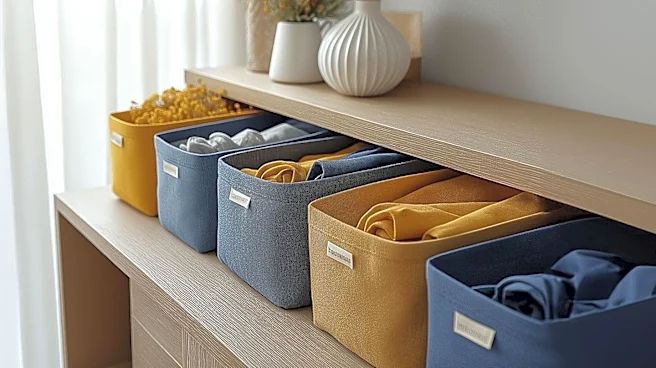
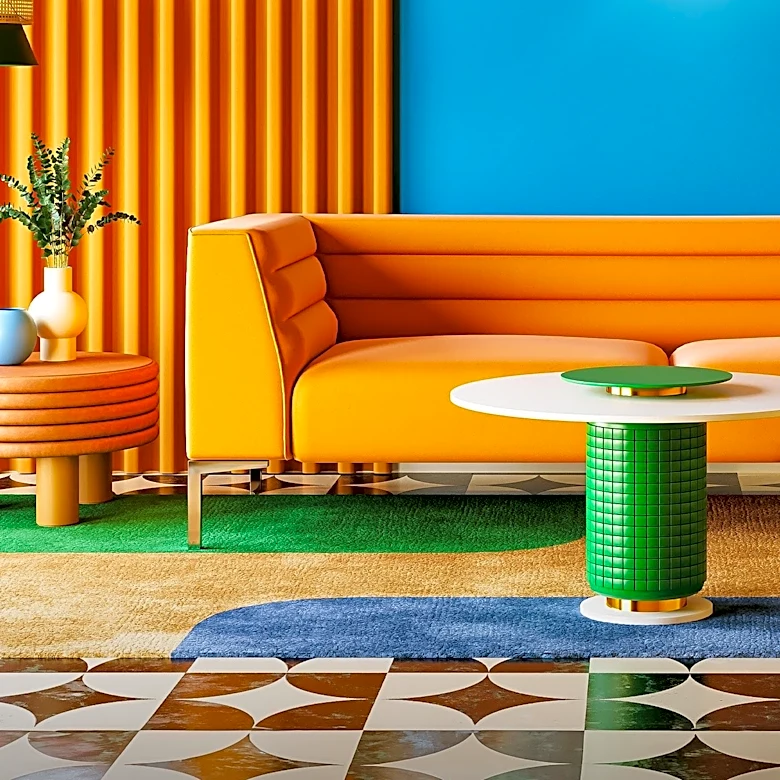
of years, emphasizes that a harmonious home can positively impact well-being. Key elements of feng shui include understanding chi and energy flow, the five elements (wood, fire, earth, metal, water), the bagua map (a nine-square energy map for a home's layout), and the commanding position for essential furniture like beds, desks, and stoves. Practitioners suggest that clearing clutter is the foundational step, as it blocks chi. The five elements are balanced through color, material, or shape, with each element inviting specific energies. For instance, wood (green, teal) promotes growth, while fire (red, orange) encourages passion. The bagua map helps identify life areas within a home, such as wealth or relationships, which can then be activated with specific elements or objects. The commanding position ensures that one can see the room's door without being directly in line with it, symbolizing control and awareness in areas of rest, work, and nourishment.
Why It's Important?
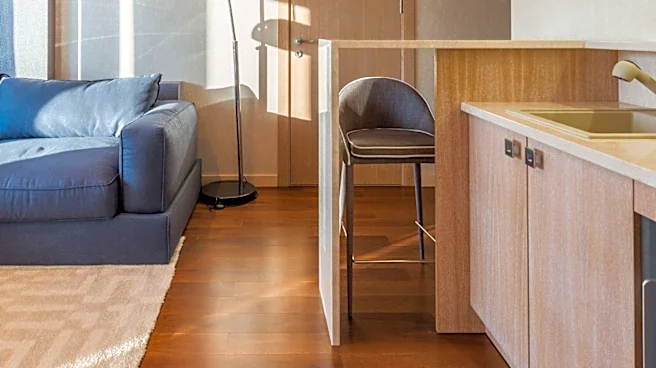
The application of feng shui principles can significantly impact an individual's daily life by fostering a sense of calm, focus, and overall well-being within their home environment. By strategically arranging furniture and incorporating specific elements, individuals may experience reduced stress and improved productivity. For example, placing a bed in the commanding position with a solid headboard and balanced nightstands is believed to enhance rest and stability. Similarly, a desk in the commanding position can improve focus and career prospects. The emphasis on clearing clutter aligns with modern environmental psychology, which suggests that visual clutter can compete for brain attention and hinder focus. This practice can lead to more organized and functional living spaces, benefiting mental clarity and reducing cognitive load. The concept of balancing the five elements through color and material choices allows for personalized adjustments that can address specific emotional or energetic needs, potentially leading to a more supportive and inspiring home. While the metaphysical claims of feng shui are not scientifically proven, its practical recommendations often align with principles of good design and psychological comfort, making it a relevant approach for enhancing living spaces.
What's Next?
Individuals interested in applying feng shui principles can begin by decluttering their homes, as this is considered the most impactful initial step. Following this, they can focus on arranging key furniture, such as beds, desks, and stoves, in the 'commanding position' to optimize energy flow. The next step involves balancing the five elements within each room using appropriate colors, materials, and shapes. For instance, adding plants for wood energy or ceramics for earth energy. Utilizing the bagua map can help identify and activate specific life areas within the home, such as the wealth corner with wood and purple tones or the relationship corner with pairs of objects and earthy tones. For those with challenging layouts, simple fixes like strategically placed mirrors can help restore the sense of oversight from the commanding position. The practice encourages starting with one room, observing the changes, and then gradually extending the principles to other areas of the home. While not requiring significant financial investment, some practitioners may choose to incorporate consecrated objects, though the emphasis remains on foundational changes first.
Beyond the Headlines
Beyond the immediate benefits of a harmonious living space, feng shui delves into deeper cultural and philosophical dimensions. The practice is rooted in Taoist philosophy, emphasizing the interconnectedness of humans and their environment. It highlights the idea that our surroundings are not merely passive backdrops but active participants in shaping our experiences and well-being. The concept of 'chi' extends beyond physical space, representing a universal life energy that influences all aspects of existence. This perspective encourages a mindful approach to design and living, where every object and arrangement is considered for its energetic impact. Furthermore, the emphasis on balancing the five elements reflects an ancient understanding of natural cycles and their influence on human life. This holistic view can foster a greater appreciation for the subtle energies within our homes and promote a more intentional way of living. The practice also touches upon ethical considerations, particularly regarding the authenticity and consecration of feng shui cures, suggesting a deeper spiritual significance beyond mere decoration. Ultimately, feng shui offers a framework for creating environments that not only look good but also feel good, aligning with a long-standing tradition of seeking harmony between humanity and nature.