






What's Happening?
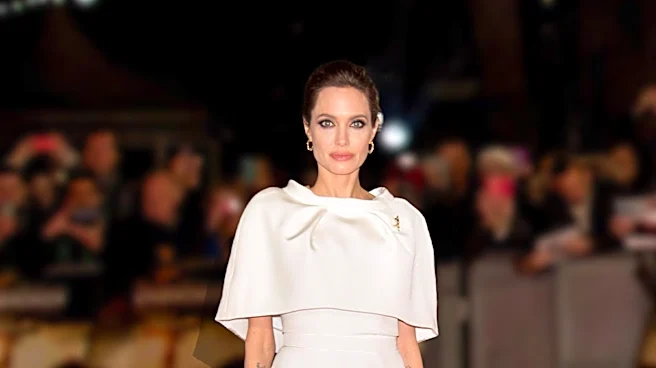
Angelina Jolie has been candid about her approach to motherhood, shaped by her family's history with cancer. In a recent conversation, Jolie discussed how her mother's early death from breast and ovarian cancer has influenced her parenting style. Jolie carries
the BRCA1 gene mutation, which significantly increases her risk of developing these cancers. In 2013, she underwent a preventive double mastectomy to reduce her risk. This personal history has led Jolie to prepare her children for a future where she might not be present, emphasizing the importance of equipping them to handle life's challenges independently. Her latest film, 'Couture,' mirrors her real-life experiences, as it features a storyline about a filmmaker diagnosed with breast cancer.
Why It's Important?
Jolie's openness about her health and parenting approach highlights the impact of genetic health risks on family dynamics. Her decision to undergo preventive surgery and her candid discussions about mortality bring attention to the importance of genetic testing and proactive health measures. This narrative also underscores the emotional and psychological challenges faced by individuals with a family history of cancer. Jolie's story may inspire others to consider genetic testing and preventive health strategies, potentially influencing public health policies and awareness campaigns.
What's Next?
Jolie's children, now mostly adults, are encouraging her to live more fully and pursue personal interests. This shift in family dynamics suggests a potential new phase in Jolie's life, where she may focus more on personal growth and exploration. Her continued advocacy for health awareness and preventive measures could lead to further public engagements or initiatives aimed at supporting individuals with similar genetic risks.
Beyond the Headlines
Jolie's story also touches on broader themes of resilience and the human capacity to adapt to life's uncertainties. Her approach to parenting and health reflects a pragmatic acceptance of mortality, which may resonate with many facing similar challenges. This perspective could influence cultural attitudes towards health, aging, and family planning, encouraging a more open dialogue about these often-taboo subjects.