







What's Happening?
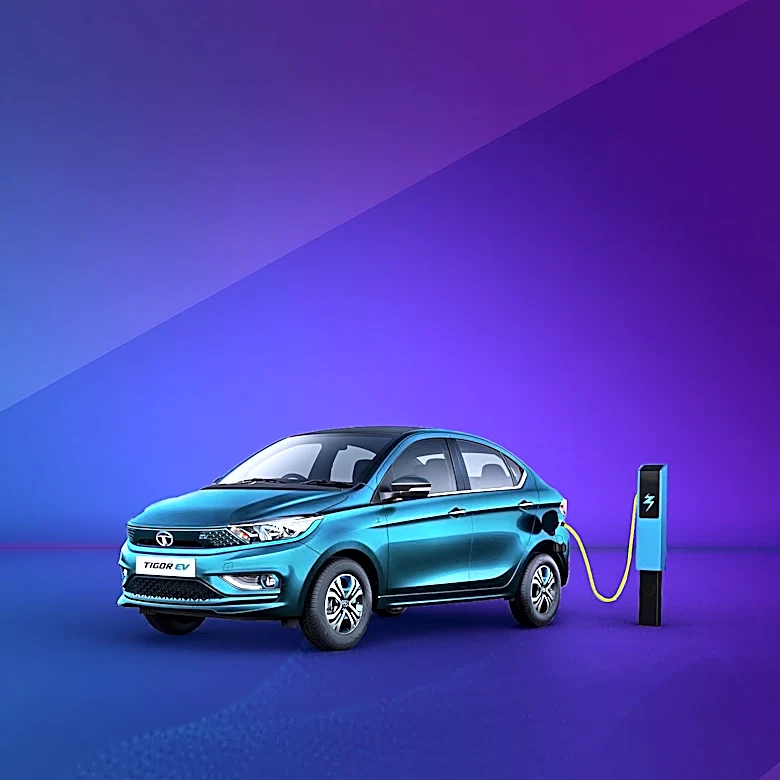
The electric vehicle (EV) industry is shifting its focus from replicating the traditional gas station model to integrating charging into everyday life. Unlike gasoline vehicles that require dedicated trips to refuel, EVs can charge while parked during
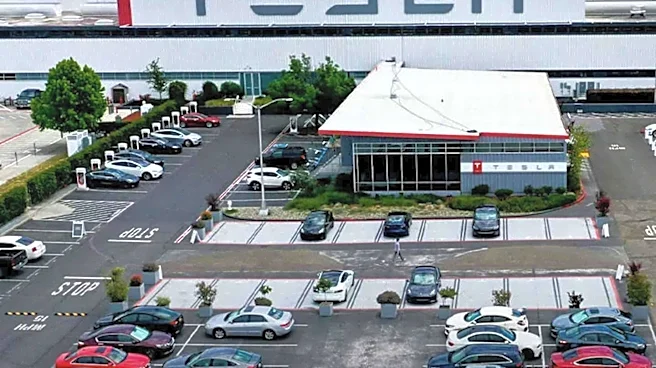
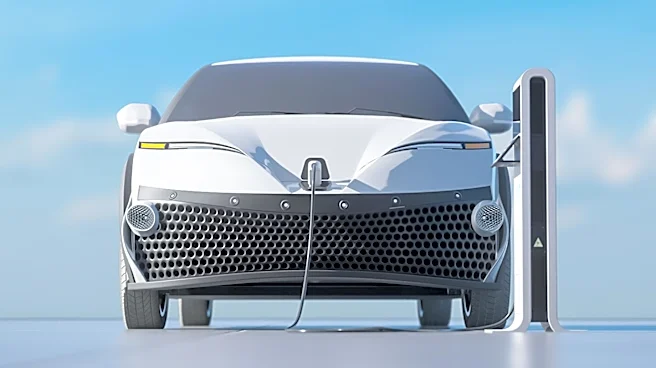
daily activities, such as at work, shopping, or overnight stays. This approach challenges the current industry emphasis on ultra-fast charging, which aims to mimic the quick refueling experience of gas stations. Instead, the value of EV charging is increasingly seen in its ability to enhance the utility of properties, such as hotels, office buildings, and retail centers, by offering charging as a competitive amenity.
Why It's Important?
This shift in focus from fast charging to integrated charging solutions has significant implications for the EV industry and real estate market. By embedding charging infrastructure into places where vehicles naturally spend time, businesses can attract more customers and tenants, thereby increasing property value. This approach also aligns with the broader trend of sustainable urban development, as it reduces the need for dedicated refueling trips and supports the transition to renewable energy sources. The move away from the gas station model could redefine how consumers perceive and use EVs, potentially accelerating their adoption.
What's Next?
As the industry moves towards integrating charging into everyday locations, businesses and property developers are likely to invest more in charging infrastructure. This could lead to increased competition among real estate properties to offer the best charging amenities, influencing consumer choices in housing, shopping, and travel. Additionally, while fast charging remains important for long-distance travel and commercial fleets, the focus on everyday charging solutions may drive innovation in charging technology and infrastructure, further supporting the growth of the EV market.