




What's Happening?
Oil futures experienced significant fluctuations, with Brent and West Texas Intermediate (WTI) crude prices dropping sharply on Friday, July 24, 2026, despite being on track for their largest weekly gains since May. The market's volatility is attributed
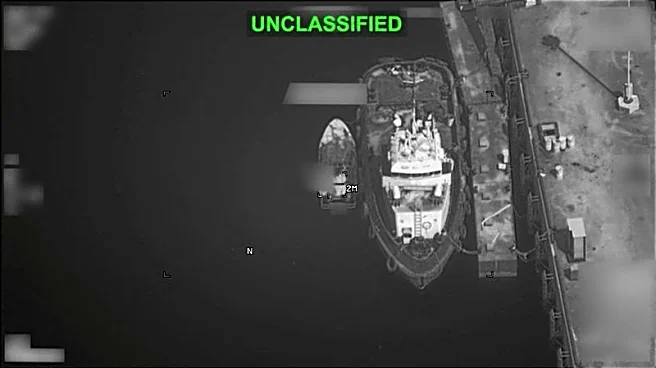
to ongoing disruptions in the Red Sea and broader instability in oil-producing regions. Iran-aligned Houthi forces claimed responsibility for attacks on Saudi oil tankers, escalating risks in key global transit routes. Additionally, geopolitical tensions have been exacerbated by Russia's military actions targeting Ukrainian ports and Kazakhstan's temporary oil production curtailment due to suspected drone strikes.
Why It's Important?
The volatility in oil futures underscores the fragility of global energy markets, heavily influenced by geopolitical tensions. The disruptions in key transit routes like the Bab el-Mandeb strait highlight the vulnerability of global oil supply chains to regional conflicts. These developments have significant implications for global energy security and economic stability, potentially affecting oil prices and supply chains worldwide. The situation also emphasizes the need for diversified energy sources and strategies to mitigate the impact of geopolitical risks on energy markets.
What's Next?
OPEC+ oil-producing nations are expected to consider increasing production targets in response to the ongoing disruptions. The group's ministers are scheduled to meet on August 2, 2026, to discuss potential output increases. The outcome of this meeting could influence global oil prices and supply dynamics. Additionally, continued geopolitical tensions may prompt further strategic responses from major oil-consuming nations to ensure energy security and stability.
Beyond the Headlines
The current situation highlights the broader geopolitical dynamics at play in the global energy sector. The reliance on key transit routes and the concentration of oil production in politically unstable regions pose long-term challenges for energy security. This underscores the importance of international cooperation and investment in alternative energy sources to reduce dependency on volatile regions.