



What's Happening?
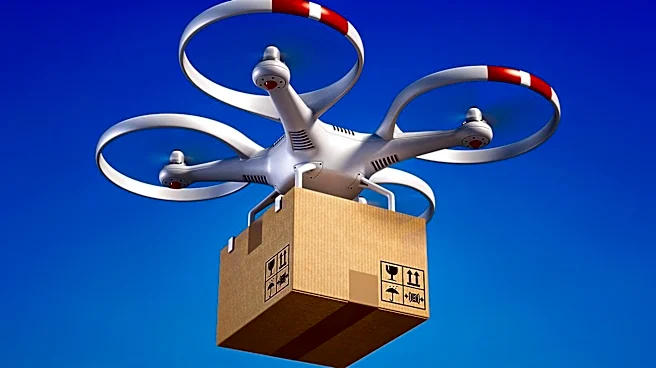
The global Autonomous Delivery Vehicles Market is projected to grow significantly, from an estimated USD 3.80 billion in 2026 to USD 18.00 billion by 2033, exhibiting a Compound Annual Growth Rate (CAGR) of 24.9%. This expansion is driven by increasing
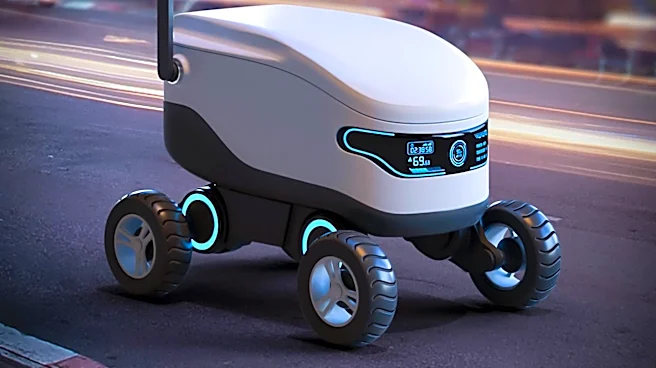
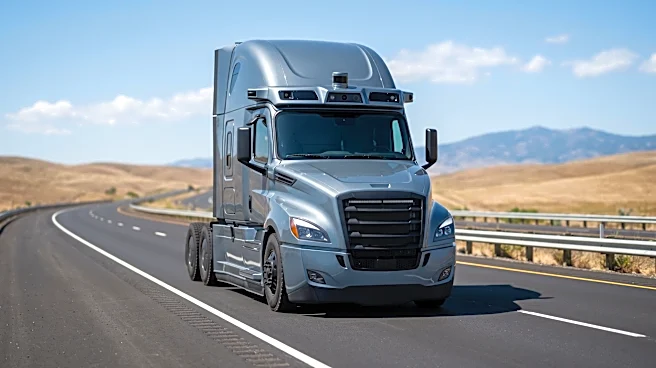
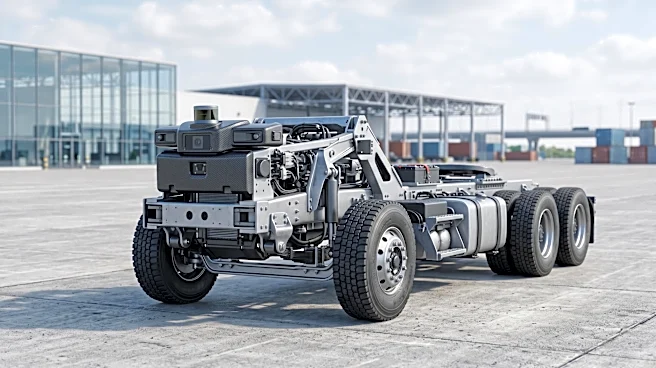
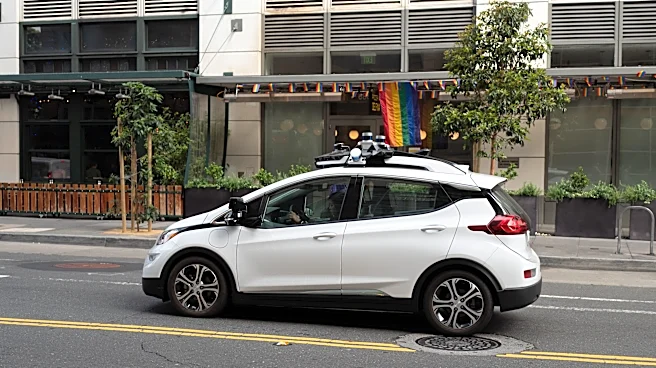
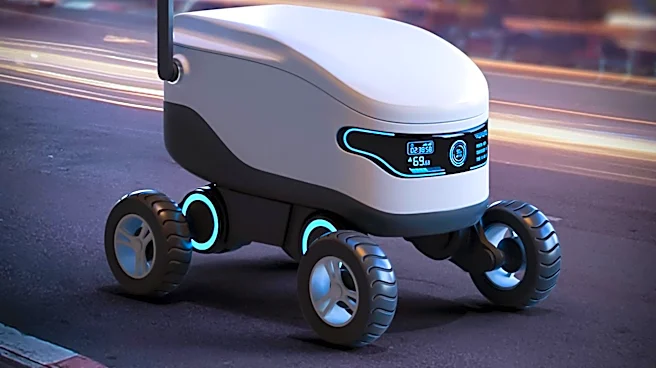
demand for cost-efficient last-mile logistics, the growing adoption of autonomous delivery robots, and rising investments in AI-powered transportation technologies. Companies like Nuro Inc., Starship Technologies, and Gatik AI Inc. are investing in advanced technologies such as autonomous navigation, computer vision, LiDAR sensors, electric delivery vehicles, and intelligent fleet management systems. These innovations aim to enhance delivery efficiency, reduce operational costs, and support automated goods transportation across various sectors. Short-distance delivery currently leads the market with a 47.0% share, fueled by the demand for automated neighborhood deliveries and a shortage of logistics labor. Sidewalks and pedestrian areas account for 34.0% of operating environments, with Level 2 autonomous vehicles holding a 42.0% market share due to their cost-efficiency and established sensor technologies.
Why It's Important?
This market growth signifies a major shift in logistics and delivery services, with substantial implications for U.S. industries and consumers. The increasing adoption of autonomous delivery vehicles can lead to significant cost reductions for businesses by minimizing labor expenses and optimizing delivery routes. This efficiency can translate into lower delivery fees for consumers and faster service, particularly in urban and suburban areas. The U.S., as a dominant market with a 38.0% share, is at the forefront of these developments, driven by a strong presence of robotics companies and substantial investments in last-mile delivery automation. The expansion of autonomous delivery also addresses critical labor shortages in the logistics sector, providing a sustainable solution for the growing e-commerce demand. Furthermore, the emphasis on electric autonomous delivery vehicles aligns with environmental goals, potentially reducing carbon emissions from traditional delivery fleets and contributing to cleaner urban environments.
What's Next?
The autonomous delivery vehicle market is expected to see continued technological advancements, particularly in AI-powered navigation, sensor fusion, and fleet management systems. Strategic partnerships between autonomous vehicle manufacturers and delivery platforms, such as the collaboration between ALSO and DoorDash, are likely to expand, leading to broader commercial deployments. The market will also witness increased deployment of compact autonomous robots in diverse environments, including university campuses, residential communities, and commercial districts. Regulatory frameworks will continue to evolve to accommodate these new technologies, potentially influencing the speed and scale of adoption. Companies will focus on improving obstacle recognition, pedestrian detection, and real-time navigation capabilities to enhance safety and reliability. The trend towards electric autonomous vehicles will also accelerate, driven by environmental concerns and the push for lower-emission urban transportation solutions.
Beyond the Headlines
The rise of autonomous delivery vehicles extends beyond mere logistical efficiency, touching upon broader societal and ethical considerations. The widespread deployment of these robots could reshape urban landscapes, influencing pedestrian traffic patterns and the design of public spaces. Ethical debates surrounding the responsibility in case of accidents involving autonomous vehicles will intensify, prompting the need for clear legal frameworks and liability standards. Furthermore, the displacement of human delivery drivers by autonomous systems raises questions about job security and the future of work in the logistics industry, necessitating discussions around workforce retraining and economic adjustments. The integration of AI into these vehicles also brings forth concerns about data privacy and cybersecurity, as these systems collect and process vast amounts of information. Ultimately, the evolution of autonomous delivery will require a delicate balance between technological innovation, economic benefits, and societal well-being.