





What's Happening?
XPO Logistics, a prominent global provider of supply chain solutions, is actively recruiting CDL-A professionals for Local City Driver (Pickup and Delivery) positions. The company, recognized as a top ten global provider, operates an integrated network
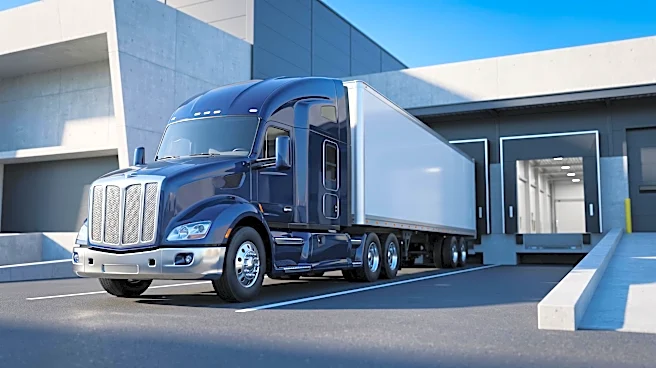
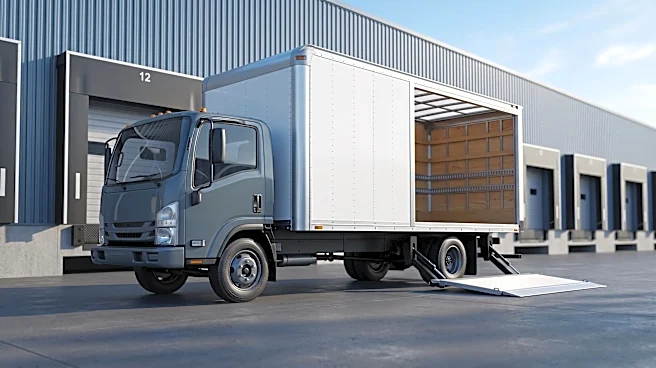
of people, technology, and physical assets to manage goods efficiently for its clients. Its Less-Than-Truckload (LTL) division is noted for rapid transit times and strong safety records. XPO Logistics emphasizes a culture that values its commercial drivers, offering competitive hourly pay, comprehensive health benefits starting on day one, and a modern, well-maintained fleet equipped with advanced safety technology. The roles involve operating commercial tractor-trailers in urban environments, handling freight with electric pallet jacks and liftgates, verifying Bills of Lading (BOLs) and HazMat paperwork, and adhering to FMCSA safety regulations. Applicants must be at least 21 years old with a valid Class A CDL and possess or be willing to obtain HazMat, Tanker, and Doubles/Triples endorsements, along with a clean motor vehicle record and physical capability for freight handling.
Why It's Important?
This recruitment drive by XPO Logistics is significant for the U.S. supply chain and logistics industry, highlighting the ongoing demand for skilled commercial drivers. As a top global provider, XPO's expansion and emphasis on its LTL division underscore the critical role of efficient freight transportation in supporting industrial and retail end markets. The company's commitment to competitive pay, daily home time, and comprehensive benefits for its drivers could set a benchmark for the industry, potentially influencing labor standards and driver retention across the sector. The investment in modern fleet technology also points to a broader trend of technological integration in logistics to enhance safety and efficiency. For the U.S. economy, maintaining healthy shipment levels is crucial for sustained growth, and a robust workforce of CDL-A professionals is essential to meet these demands. The focus on local city drivers also suggests an increasing need for last-mile delivery and urban logistics solutions, reflecting evolving consumer and business needs.
What's Next?
XPO Logistics will likely continue its recruitment efforts to fill these critical Local City Driver positions, potentially expanding its outreach to various regions across the U.S. The company's focus on driver welfare, including competitive compensation and work-life balance, may attract a significant pool of qualified candidates, potentially alleviating some of the driver shortages experienced in the logistics industry. Other logistics companies might observe XPO's recruitment strategies and benefits packages, possibly leading to a competitive environment for attracting and retaining CDL-A professionals. Furthermore, the ongoing investment in fleet technology suggests a continuous upgrade cycle, which could lead to more efficient and safer freight operations. The success of these recruitment initiatives will directly impact XPO's ability to maintain and grow its market share in the LTL sector and contribute to the overall stability and efficiency of the U.S. supply chain.
Beyond the Headlines
The emphasis on recruiting CDL-A professionals for local city routes by XPO Logistics reflects a deeper societal and economic shift towards localized and expedited delivery services. This trend is driven by e-commerce growth and consumer expectations for faster delivery, placing increased pressure on urban logistics infrastructure. The demand for drivers capable of navigating congested city environments and handling diverse freight types highlights the evolving skill set required in modern logistics. Moreover, the company's focus on driver respect and comprehensive benefits could signal a broader industry recognition of the essential, yet often overlooked, role of commercial drivers. This could lead to improved working conditions and professional development opportunities for drivers, potentially elevating the status of the profession. The integration of advanced safety technology in fleets also points to a future where technology plays an even more central role in ensuring operational safety and efficiency, potentially reducing accidents and improving overall road safety in urban areas.