




What's Happening?
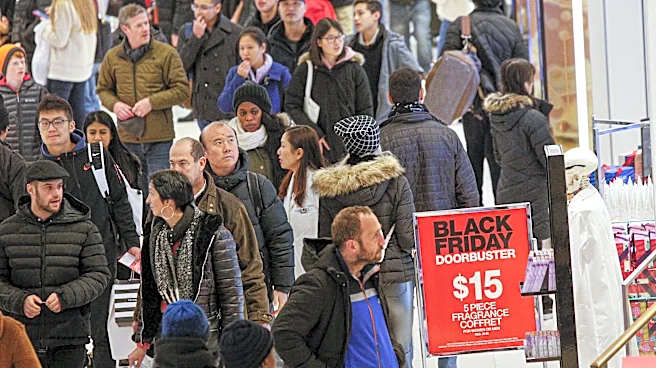
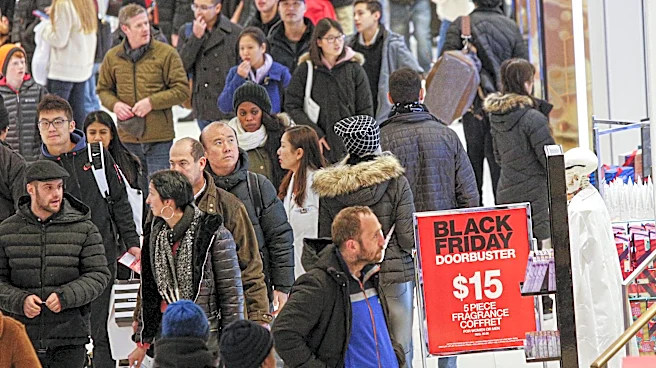
Black Friday 2026 is projected to be the second-largest shopping day of the holiday season, with an estimated $12.9 billion in sales. Retailers, including Amazon, have initiated Black Friday deals as early as November 19, extending promotions throughout
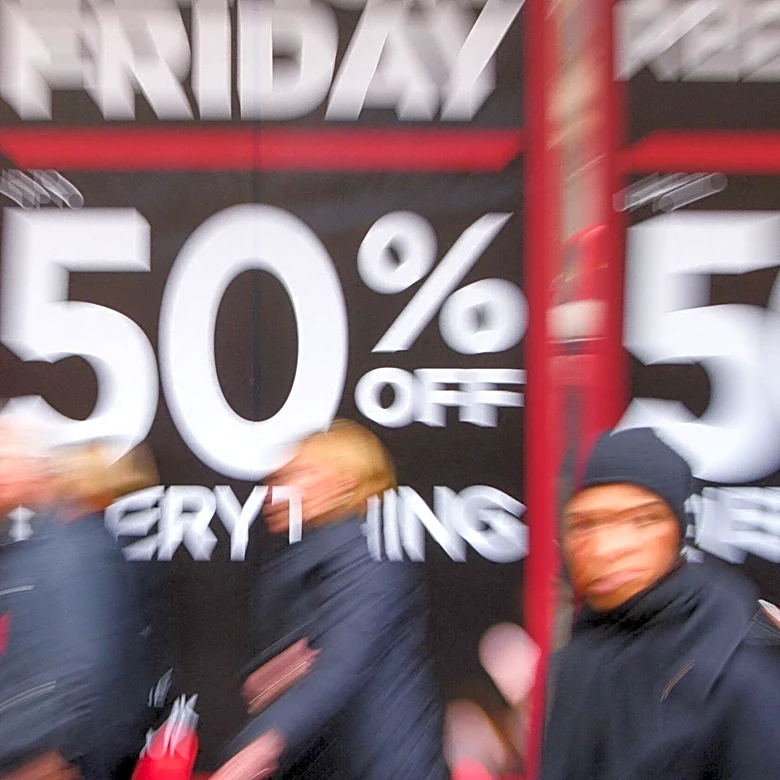
Thanksgiving week. Shoppers are expected to find significant discounts on items such as TVs, apparel, and appliances during Black Friday, while Cyber Monday is anticipated to feature stronger deals on electronics and computers. According to Maximilian Walter, director of North America at Simon-Kucher, a global commercial growth and pricing consultancy firm, consumers still expect good deals on Black Friday despite the evolving nature of the shopping event. Lauren Murphy, managing director of Wells Fargo retail finance, notes that Black Friday and Cyber Monday remain important, event-driven holidays for both shoppers and retailers, with a substantial portion of holiday spending occurring during this period. The National Retail Federation estimates that 182.7 million consumers plan to shop during Thanksgiving weekend this year.
Why It's Important?
The continued prominence of Black Friday and Cyber Monday, despite the expansion of holiday sales events, underscores their critical role in the U.S. retail landscape. The projected $12.9 billion in Black Friday sales highlights the significant economic impact of these shopping days, influencing revenue for retailers and offering substantial savings opportunities for consumers. The shift towards earlier and extended deal periods, as seen with Amazon's early Black Friday launch, indicates a strategic adaptation by retailers to capture consumer spending over a longer timeframe. This trend also reflects evolving consumer behavior, with shoppers increasingly using these promotions to purchase everyday necessities, not just holiday gifts, to stretch household budgets, according to Adobe. The competition between Black Friday and Cyber Monday for the best deals in different product categories also shapes consumer purchasing decisions and retail strategies.
What's Next?
Retailers will continue to offer deals throughout Thanksgiving week, with Cyber Monday following from November 30 through December 2, expected to provide deeper discounts on electronics and computers. Consumers are advised not to delay purchases if they identify a meaningful discount, as popular items may sell out. Some experts, like Deborah Weinswig, CEO of Coresight Research, suggest that shoppers with flexibility might find even better deals closer to December 25, as retailers may further reduce prices to clear inventory. The ongoing debate about the authenticity of Black Friday 'deals,' with some reports alleging that prices are sometimes inflated before sales, suggests that consumers will increasingly rely on price tracking tools to ensure genuine savings. This trend could lead to greater transparency demands from consumers and potentially influence how retailers structure their promotional pricing in future holiday seasons.
Beyond the Headlines
The evolution of Black Friday and Cyber Monday reflects broader shifts in consumer behavior and retail strategies, driven by factors such as the rise of online shopping, the impact of the pandemic, and the increasing use of AI tools by consumers to monitor prices. The expansion of the holiday shopping season, with sales starting as early as October, has diluted the traditional 'frenzied' impulse buying associated with Black Friday. However, retailers are attempting to re-emphasize Black Friday with significant deals to re-ignite that impulse. This dynamic creates a complex environment where consumers must navigate extended sales periods and varying discount levels across different product categories. The use of these sales for everyday necessities also points to economic pressures on households, making strategic shopping during these periods a crucial budgeting tool for many Americans.