





What's Happening?
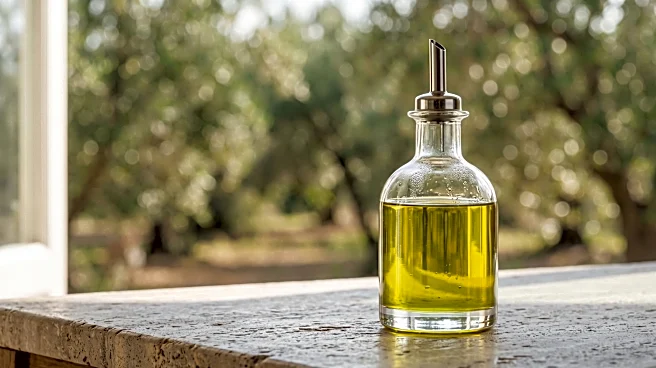
Tunisia has announced a comprehensive set of measures aimed at ensuring the success of the 2026-2027 olive oil season, following a restricted ministerial council chaired by Prime Minister Sarra Zaâfrani Zenzri. The initiatives focus on financing, storage,
exports, domestic market promotion, and support for small-scale farmers, aligning with President Kais Saied's directives. Key measures include state support for the National Olive Oil Office (ONH) to purchase olive oil from domestic producers, backed by 150 million dinars in financing from public and private banks. Preferential loans totaling 20 million dinars will be provided to small-scale farmers through the Tunisian Solidarity Bank (BTS), with priority given for grants to acquire mechanical harvesting equipment. The 2027 Finance Bill also proposes a 100-million-dinar financing facility for 2027-2030 for seasonal and investment loans at preferential rates. Storage capacity is being enhanced, with ONH maintaining and rehabilitating facilities to 100,000 tonnes, complemented by over 400,000 tonnes from olive mills and exporters. A permanent financing mechanism for storage operations will be established through a special Treasury account.
Why It's Important?
The Tunisian government's proactive measures for the olive oil sector are significant for several reasons. Olive oil is a critical component of Tunisia's agricultural economy, contributing to food sovereignty and national security. By boosting production, storage, and export capabilities, Tunisia aims to enhance its global market competitiveness and increase foreign exchange earnings. The focus on supporting small-scale farmers through preferential loans and grants is crucial for equitable economic development and poverty reduction in rural areas. Increased exports of packaged and organic olive oil, with targets to double current volumes, will add value to the product and strengthen Tunisia's brand presence internationally. For the U.S., this development could mean a more stable trading partner and potentially increased availability of Tunisian olive oil in the U.S. market. A robust olive oil sector also contributes to overall economic stability in Tunisia, which is vital for regional security and U.S. foreign policy interests in North Africa. The emphasis on modern techniques and training programs also signals a commitment to sustainable agricultural practices and technological advancement in the sector.
What's Next?
The announced measures will be implemented for the upcoming 2026-2027 olive oil season. This includes the allocation of financing, the provision of preferential loans to small farmers, and the establishment of the special Treasury account for storage operations. The government will also proceed with developing national communication and promotion plans to access new markets and intensify trade negotiations. Regulatory texts will be revised to support packaged olive oil exports, including extending incentives to larger container capacities. Training and technical coaching programs for quality, pruning, disease control, and mechanization will be intensified. The Central Bank of Tunisia will engage with banks to facilitate financing and debt rescheduling for small farmers. Public and private banks are expected to actively support farmers throughout the season. A strategic study on the olive sector's development prospects and a restructuring plan for ONH will also be commissioned. The success of these initiatives will be closely monitored, particularly their impact on production volumes, export figures, and the livelihoods of small-scale farmers.
Beyond the Headlines
Beyond the immediate economic benefits, these measures reflect a broader strategic vision for Tunisia's agricultural sector, emphasizing food sovereignty and national security. The government's commitment to supporting small farmers and promoting packaged and organic olive oil exports indicates a shift towards higher-value products and sustainable practices. This could lead to a more resilient agricultural economy, less susceptible to global price fluctuations and climate change impacts. The focus on modernizing the sector through training and technology adoption could also foster innovation and create new employment opportunities. However, the effectiveness of these measures will depend on transparent implementation, efficient allocation of funds, and addressing potential bureaucratic hurdles. The long-term success will also require continuous investment in research and development, as well as adapting to evolving international market demands and environmental challenges. This strategic approach to a key agricultural product could serve as a model for other sectors in Tunisia and potentially influence agricultural policies in neighboring countries.