





What's Happening?
In May 2026, Rheinmetall, a German technology group, received a significant international order from Romania as part of the European Union’s Security Action for Europe (SAFE) program. This extensive defense project, valued at 5.7 billion euros, includes
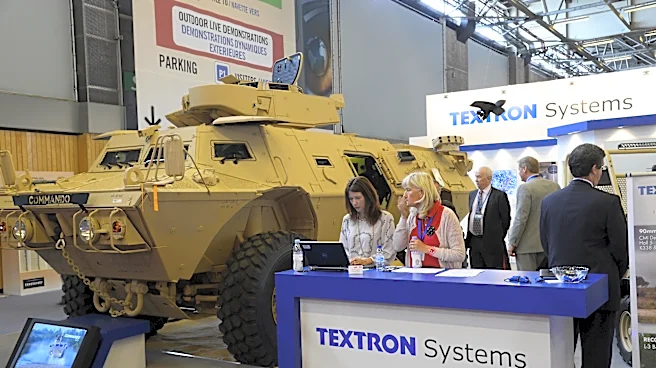
the manufacture of combat vehicles, air defense systems, ammunition, ammunition components, and four naval vessels. The contract involves a substantial expansion of Rheinmetall's production capacity in Romania, with investments totaling several hundred million euros. A large portion of the value added will occur within Romania, a NATO and EU member state, aiming to create thousands of new jobs and integrate over 200 subcontractors into the supply network. An extensive transfer of technology is also planned. Romania is already a key market for Rheinmetall, with its subsidiary Rheinmetall Automecanica based in Medias. A further call-off for 66 Lynx combat vehicles, valued at approximately 738 million euros, was made under a framework contract awarded in May 2026, which covers a total of 298 Lynx vehicles. The delivery of these Lynx vehicles is scheduled to begin in 2028 and conclude by 2030.
Why It's Important?
This major contract underscores the increasing focus on defense capabilities within NATO and EU member states, particularly in Eastern Europe. For Rheinmetall, it represents a significant boost to its international presence and revenue, solidifying its position as a key defense technology provider. The substantial investment and job creation in Romania will have a positive economic impact, fostering local industry growth and technological advancement. The transfer of technology and integration of local subcontractors will enhance Romania's defense industrial base and self-sufficiency. From a broader perspective, the contract highlights the EU's commitment to strengthening its collective security through programs like SAFE, which aims to modernize and expand military capabilities among member states. This development could also influence other European nations to invest further in their defense sectors, potentially leading to increased demand for advanced military hardware and services from companies like Rheinmetall.
What's Next?
Rheinmetall will proceed with the significant expansion of its production capacity in Romania, involving investments of several hundred million euros. The company will focus on integrating over 200 subcontractors into its supply network and facilitating an extensive transfer of technology to Romania. Deliveries of the Lynx combat vehicles are slated to commence in 2028, with completion expected by 2030. This project will likely lead to the creation of thousands of new jobs in Romania. The successful execution of this contract could pave the way for future defense collaborations and orders within the EU and NATO, as other member states observe the benefits of enhanced defense capabilities and industrial partnerships. The ongoing implementation of the European Union’s Security Action for Europe (SAFE) program suggests a continued trend of increased defense spending and modernization efforts across the continent.
Beyond the Headlines
The contract's emphasis on local value addition, job creation, and technology transfer in Romania reflects a strategic shift towards strengthening indigenous defense capabilities within the EU and NATO. This approach not only addresses immediate security needs but also aims to build long-term industrial resilience and reduce reliance on external suppliers for critical defense technologies. The integration of local subcontractors and the creation of new jobs could foster a more robust and interconnected European defense industrial base, promoting economic stability and technological sovereignty. This move also highlights the geopolitical implications of defense spending, as nations seek to bolster their security in an evolving global landscape. The ethical considerations surrounding arms manufacturing and sales will likely remain a subject of public and political debate, particularly concerning the responsible use and deployment of advanced military systems.