






What's Happening?
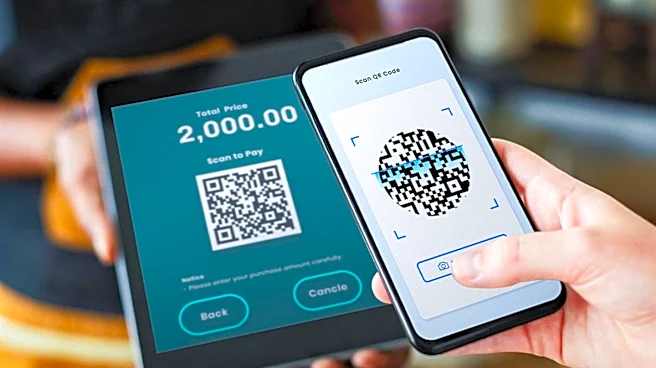
To utilize contactless payment features with Google Wallet, Android smartphone users must have Near Field Communication (NFC) technology enabled on their devices. Google Wallet supports various payment methods, including cards, e-wallets, and bank accounts,
though availability can vary by country and specific financial institutions. Banks retain the authority to restrict certain cards from being used for mobile payments. If a bank is not listed as supported or a card cannot be set up, users are advised to contact their bank directly to provide feedback. The Google Wallet app and website offer similar payment method management capabilities. For smartwatch contactless payments, both the device and the user's location must support the feature. The platform also allows users in unsupported regions to add cards from issuers in supported locations.
Why It's Important?
This requirement highlights the critical role of NFC technology in the widespread adoption and functionality of mobile payment systems in the U.S. and globally. For consumers, understanding this technical prerequisite is essential for seamless transactions, influencing their choice of devices and payment methods. For businesses, the prevalence of NFC-enabled smartphones among their customer base directly impacts the viability and efficiency of offering contactless payment options. Financial institutions must ensure their card products are compatible with Google Wallet and other mobile payment platforms to meet evolving consumer preferences. The ability for banks to restrict card usage also underscores their significant control over the digital payment ecosystem, potentially affecting market competition and consumer choice. The growth of mobile payments, driven by such technologies, streamlines transactions, reduces reliance on physical cash and cards, and enhances security through tokenization.
What's Next?
The continued expansion of Google Wallet's supported countries and payment methods is anticipated, which will broaden its accessibility for users and businesses. Financial institutions are likely to face increasing pressure to integrate their services with mobile payment platforms to remain competitive and cater to tech-savvy consumers. Device manufacturers will continue to prioritize NFC integration in new smartphone models, solidifying its status as a standard feature for mobile payments. Furthermore, as mobile payment technology evolves, there may be advancements in security protocols and user experience, potentially leading to new features or alternative contactless payment methods. Businesses will likely continue to invest in point-of-sale systems that support NFC and other mobile payment technologies to accommodate customer demand and improve transaction efficiency.
Beyond the Headlines
The reliance on NFC for contactless payments raises broader questions about digital inclusion and technological accessibility. While NFC is standard in most modern smartphones, older devices or those in developing markets might lack this feature, creating a potential divide in access to convenient payment solutions. This technological dependency also underscores the importance of robust cybersecurity measures to protect sensitive financial data transmitted via NFC. The ongoing shift towards mobile payments could accelerate the decline of physical cash and traditional card usage, impacting industries reliant on these older payment methods. Moreover, the data generated by mobile payment transactions offers valuable insights into consumer behavior, raising privacy concerns and opportunities for targeted marketing. The ecosystem's complexity, involving device manufacturers, banks, payment networks, and app developers, necessitates ongoing collaboration and standardization to ensure interoperability and a seamless user experience.