







What's Happening?
Washington state's agriculture sector is navigating a complex landscape of export challenges, primarily due to recent tariff policies and shifting international demand. In 2025, the state's agricultural exports saw an overall decline of nearly 11% to $16.86
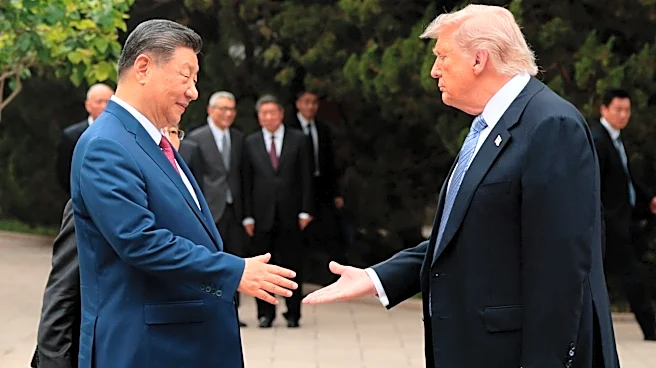
billion, although products originating within the state experienced a slight increase of nearly 2% to $7.81 billion. The sector remains heavily reliant on Asian markets, with China being a significant destination despite a sharp 34% decline in exports due to retaliatory tariffs. However, Washington has diversified its export markets, seeing growth in regions like Mexico and Southeast Asia. Dairy commodities, in particular, saw a 23% increase in exports. Despite the overturning of tariffs by the courts, the long-term impacts on the agriculture sector remain uncertain.
Why It's Important?
The developments in Washington's agriculture exports highlight the broader implications of international trade policies on local economies. The reliance on exports makes the sector vulnerable to global trade disruptions, which can significantly impact local farmers and the state's economy. The decline in exports to China underscores the challenges posed by geopolitical tensions and trade wars. Additionally, the increased costs of crop inputs like fertilizers due to tariffs add financial pressure on farmers, affecting their competitiveness. The situation calls for strategic policy adjustments to mitigate these impacts and support the agriculture sector's sustainability and growth.
What's Next?
Looking ahead, the stability of Washington's agricultural exports in 2026 remains uncertain, especially with ongoing geopolitical tensions, such as U.S. military operations affecting international shipping routes. Pending trade agreements with countries like Vietnam and the joint agreement with Canada and Mexico could influence future export dynamics. The agriculture sector will need to adapt to these changes and explore new markets to maintain its export levels. Policymakers may also need to reassess domestic policies that affect production costs to ensure the sector's competitiveness in the global market.