





What's Happening?
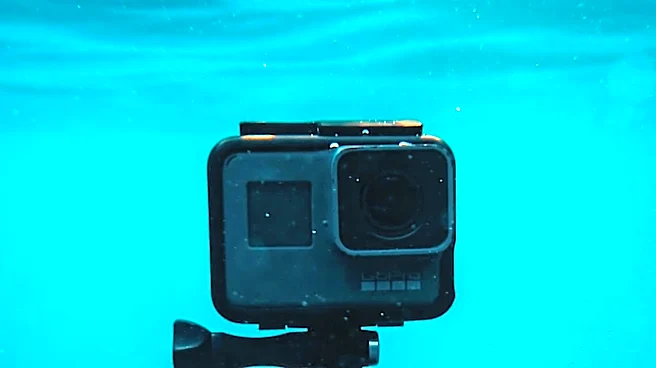
DJI has released several new camera products, including the Osmo Action 6, Osmo Nano, and Osmo 360 II, alongside its DJI Mini 5 Pro drone. The Osmo Action 6 is presented as a rugged traditional action camera with upgraded internal components, featuring
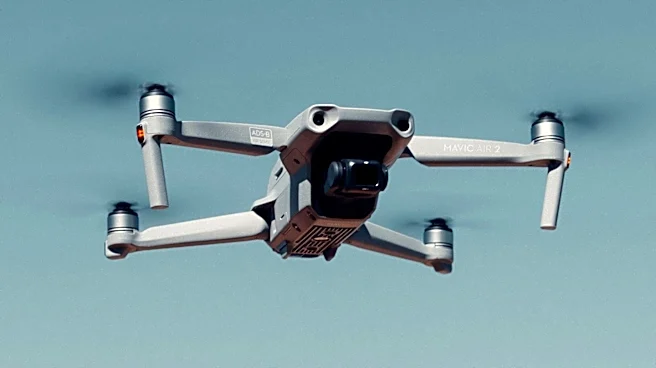
a removable front lens, dual touchscreens, improved image quality, better low-light performance, extended battery life, and a variable aperture (f/2.0 to f/4.0). The Osmo Nano offers a unique design where the camera and screen can be separated and used wirelessly, allowing for flexible mounting options. The Osmo 360 II is a 360-degree camera designed to capture footage in all directions simultaneously, enabling post-production framing adjustments and a 'selfie stick mode' that makes the stick disappear from footage. Additionally, the DJI Mini 5 Pro drone is highlighted for its compact size, image quality, ease of use, and safety features like obstacle sensing and automatic return-to-home. A key feature across these DJI cameras is their seamless integration with DJI's wireless microphones, allowing for direct connection without additional receivers.
Why It's Important?
The introduction of these new DJI products signifies continued innovation in the consumer electronics market, particularly in action cameras and drones. The emphasis on enhanced audio integration, especially the direct compatibility with DJI wireless microphones, addresses a common challenge for content creators who often struggle with capturing clear audio in dynamic environments. This could set a new standard for ease of use and audio quality in portable cameras, potentially influencing how competitors design their products. The diverse range of cameras—from the rugged Action 6 to the versatile Nano and the immersive 360 II—caters to different user needs, from extreme sports enthusiasts to landscape photographers seeking unique perspectives. The continued advancement in drone technology, as seen with the Mini 5 Pro, makes high-quality aerial videography more accessible and safer for a broader consumer base, impacting hobbyists and professional content creators alike. These developments could further solidify DJI's market position and drive consumer demand for integrated camera ecosystems.
What's Next?
The release of these new DJI products is likely to intensify competition within the action camera and drone markets. Consumers can expect to see more reviews and comparisons emerge, which will further highlight the strengths and weaknesses of these devices against offerings from other brands. Competitors may respond by accelerating their own product development cycles, focusing on similar features like improved audio integration, modular designs, or enhanced 360-degree capabilities. The market will also observe how these new cameras perform in various real-world scenarios, particularly regarding their durability, battery life, and image quality claims. Furthermore, the ease of use and integration with existing DJI ecosystems could encourage more users to invest in a full suite of DJI products, potentially increasing brand loyalty. The success of these products could also influence future trends in portable camera technology, pushing for more compact, versatile, and interconnected devices.
Beyond the Headlines
Beyond the immediate product features, DJI's continued focus on an integrated ecosystem—where cameras, drones, and audio accessories work seamlessly together—represents a significant strategic direction. This approach simplifies the workflow for content creators, reducing the need for multiple third-party accessories and complex setups. This integration could foster a more cohesive user experience, potentially leading to greater creative output and efficiency for videographers and photographers. The advancements in miniaturization and image quality, particularly in drones like the Mini 5 Pro, also raise broader questions about accessibility to professional-grade tools. As these technologies become more affordable and user-friendly, they democratize content creation, allowing a wider range of individuals to produce high-quality visual media. This shift could impact various industries, from independent filmmaking to digital marketing, by lowering barriers to entry and fostering new forms of visual storytelling.