



What's Happening?
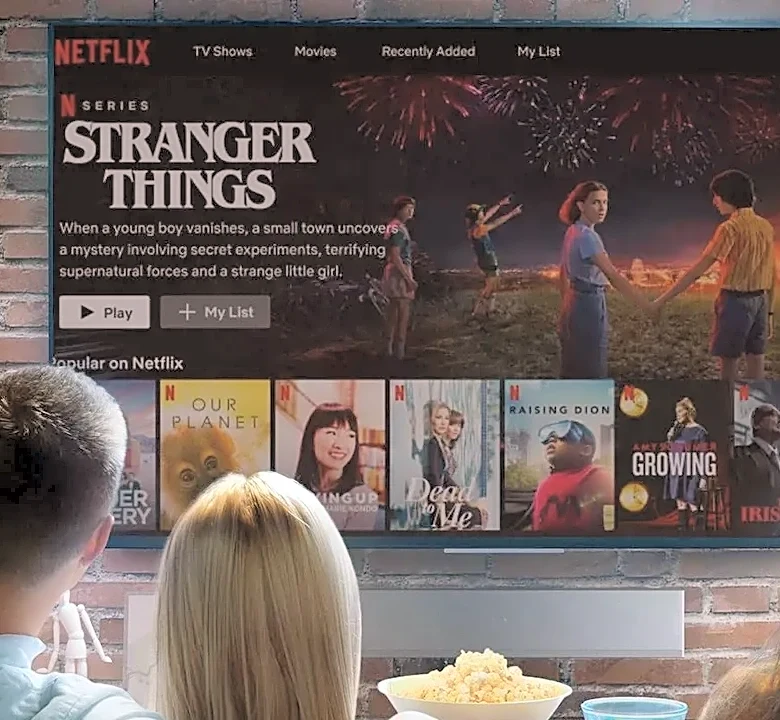
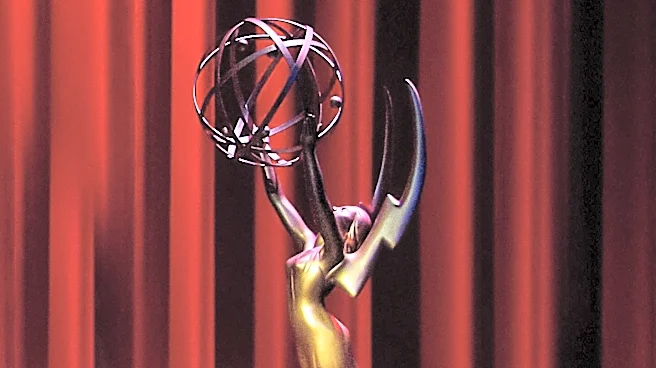
Netflix has expanded its live event streaming portfolio by securing deals for various major events, including the Actor Awards, previously known as the Screen Actors Guild (SAG) Awards. This move is part of a broader trend where streaming services are
increasingly investing in live content to attract and retain subscribers. Other significant acquisitions by Netflix include partnerships with the National Football League (NFL), Major League Baseball (MLB), and the women’s World Cup. This strategy positions Netflix alongside other streaming giants like Amazon, which holds rights to weekly NFL games, an NBA package, and the Academy of Country Music Awards. The shift of major awards shows and sporting events from traditional broadcast television to streaming platforms signifies a significant transformation in how audiences consume live entertainment and how content distributors compete for viewership. The specific terms or duration of Netflix's deal for the Actor Awards were not detailed in the provided information.
Why It's Important?
This development is important as it underscores the ongoing shift in media consumption habits, with streaming services becoming primary destinations for live events, including prestigious awards ceremonies. For Netflix, securing the Actor Awards adds a significant cultural event to its offerings, potentially attracting a broader audience interested in film and television accolades. This move also intensifies competition within the streaming industry, as platforms vie for exclusive content to differentiate themselves. Traditional broadcasters, which historically held exclusive rights to such events, face increasing pressure to adapt their strategies. The migration of these events to streaming platforms could also influence advertising revenue streams and viewership metrics across the entertainment landscape, potentially leading to new monetization models and audience engagement strategies for both content creators and distributors. The increased accessibility of these events through streaming could also broaden their global reach.
What's Next?
The acquisition of the Actor Awards by Netflix suggests a continued trend of major live events moving to streaming platforms. This could lead to further bidding wars for other high-profile awards shows and sporting events as streaming services aim to bolster their live content offerings. Audiences can expect to see more exclusive live programming on platforms like Netflix, potentially altering traditional viewing habits and the television landscape. For the Actor Awards specifically, being on Netflix could lead to changes in its presentation, accessibility, and global viewership, as the platform has a vast international subscriber base. This shift may also prompt traditional broadcasters to innovate their own live programming strategies or form partnerships with streaming services to remain competitive in the evolving media environment. The success of these ventures will likely influence future investment decisions by streaming companies in live content.
Beyond the Headlines
The move of the Actor Awards to Netflix reflects a deeper transformation in the cultural significance and accessibility of traditional media events. By placing these awards on a global streaming platform, Netflix is not only acquiring content but also potentially reshaping the cultural conversation around film and television achievements. This shift could democratize access to these events, making them available to a wider, more diverse audience beyond traditional cable subscribers. However, it also raises questions about the future of linear television and the potential for further fragmentation of the audience across numerous streaming services. The ethical implications of exclusive content deals, such as potential barriers to access for those without streaming subscriptions, may also become more prominent. Ultimately, this trend signifies a long-term shift in how cultural milestones are celebrated and consumed, moving towards a more on-demand and globally integrated model.