






What's Happening?
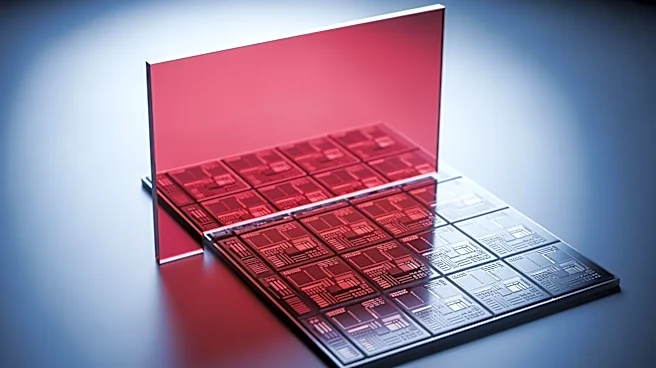
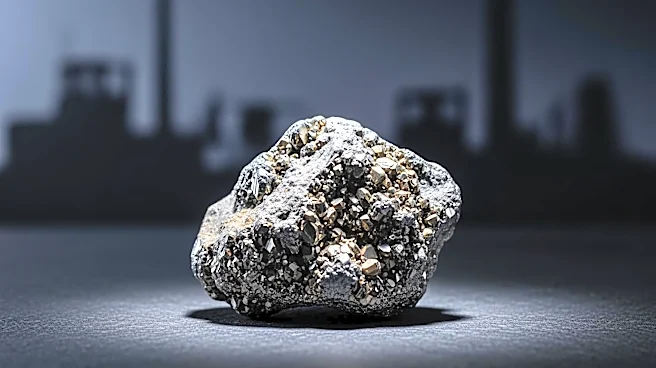
The demand for tin has surged to unprecedented levels, driven by the rapid expansion of artificial intelligence (AI) data centers. Tin, primarily used in solder for electronic circuit boards, has seen its price soar to a record $58,900 per ton. This increase
is attributed to the need for lead-free solder in compliance with health regulations. The global supply of tin, estimated at 370,000 tons annually, is significantly lower than that of other base metals like copper. The supply is concentrated in high-risk countries such as China, Myanmar, and Indonesia, with smaller contributions from other nations. This scarcity, coupled with increasing demand, has led to a 64% rise in tin prices over the past year. Companies like PT Timah in Indonesia have benefited significantly, with their share prices increasing due to government crackdowns on illegal mining and smuggling.
Why It's Important?
The rising tin prices highlight the critical role of this metal in the electronics industry, particularly as AI technologies continue to expand. The imbalance between supply and demand underscores the vulnerability of global supply chains, especially for metals sourced from politically unstable regions. The situation has prompted governments to classify tin as a critical metal, emphasizing the need for diversified sourcing and potential development of substitutes. The economic impact is significant for mining companies and countries with tin reserves, as they experience increased revenues and investment opportunities. However, the reliance on a few countries for supply poses risks of market volatility and geopolitical tensions.
What's Next?
The continued demand for tin in electronics suggests that prices may remain high unless alternative materials are developed. Mining companies are exploring the reopening of old mines, such as those in Cornwall, to increase supply. The focus on sustainable and ethical sourcing may also drive changes in the industry, as stakeholders seek to mitigate the risks associated with concentrated supply chains. The development of new technologies and materials could eventually reduce dependence on tin, but in the short term, the market is likely to remain tight.
Beyond the Headlines
The tin market's dynamics reflect broader trends in the global economy, where technological advancements drive demand for specific resources. The situation raises questions about the sustainability of current mining practices and the environmental impact of increased extraction. Additionally, the geopolitical implications of relying on a few countries for critical materials could influence international relations and trade policies. The industry's response to these challenges will shape the future of resource management and technological innovation.