





What's Happening?
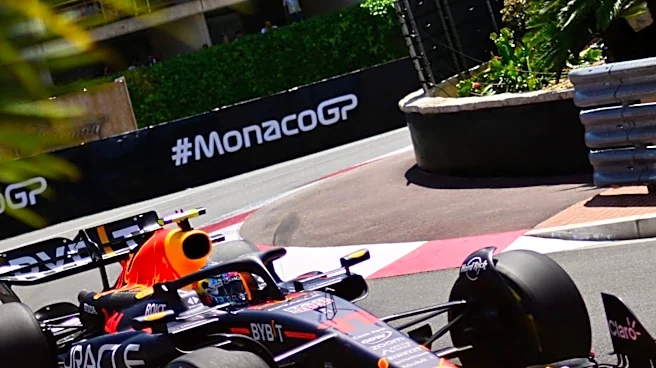
Monaco has officially ruled out making any modifications to its Formula 1 circuit, despite suggestions from drivers like Charles Leclerc to improve overtaking opportunities. Michel Boeri, president of the Automobile Club de Monaco, confirmed that the historic
layout will be preserved, rejecting proposals such as extending the circuit near Portier. This decision comes as the principality prepares to host its first-ever Sprint weekend in 2027, a move that has drawn criticism from some drivers due to the circuit's notoriously difficult overtaking conditions. Boeri emphasized that any significant changes would necessitate a new track inspection and FIA homologation, which the club is unwilling to pursue. The Monaco circuit has seen modifications since its inception in 1929, but limited space and a desire to maintain tradition are key factors in the current stance.
Why It's Important?
This decision by Monaco holds significant implications for the future of Formula 1 racing, particularly concerning the balance between tradition and competitive spectacle. The Monaco Grand Prix is a jewel in the F1 calendar, renowned for its prestige and challenging street circuit. However, the lack of overtaking opportunities has increasingly become a point of contention, with modern F1 cars further exacerbating the issue. By refusing to alter the track, Monaco prioritizes its historical identity over potential improvements to race dynamics. This could lead to continued debates among fans, drivers, and F1 management about the suitability of certain circuits for modern racing, especially with the introduction of Sprint races designed to increase excitement. The decision also highlights the unique power dynamics within F1, where historical venues can resist changes that might be imposed on newer or less established circuits, potentially influencing future calendar decisions and track design philosophies across the sport.
What's Next?
With track modifications ruled out, any future attempts to enhance racing in Monaco will likely focus on sporting regulations or strategic adjustments. Formula 1 has previously experimented with mandatory pit-stop requirements to encourage varied strategies and create more on-track action without altering the physical layout. It is probable that similar regulatory tweaks will be explored to address the overtaking challenge, particularly in the context of the upcoming Sprint weekend in 2027. Stakeholders, including drivers and team principals, will continue to voice their opinions on the racing quality, potentially leading to ongoing discussions with the FIA and Liberty Media. While the circuit's layout remains fixed, Boeri suggested that improvements to logistical aspects, such as expanding the pit lane, could still be considered. The long-term agreement for Monaco to host F1 until at least 2035 ensures its place on the calendar, but the debate over its racing spectacle is likely to persist.
Beyond the Headlines
The steadfast decision to maintain the Monaco circuit's traditional layout reflects a broader tension within Formula 1 between preserving historical heritage and evolving to meet contemporary demands for exciting, wheel-to-wheel racing. This situation underscores the unique cultural and historical significance of the Monaco Grand Prix, which transcends mere sporting competition to become a global spectacle. The resistance to change, even in the face of driver and fan criticism, highlights the power of tradition and the value placed on iconic venues. It also raises questions about the future direction of F1, particularly as it seeks to attract new audiences who may prioritize dynamic racing over historical prestige. The ethical dimension lies in balancing the safety and competitive fairness for drivers with the desire to uphold a legendary event's character. This could set a precedent for how other historic circuits might approach similar pressures for modernization, potentially influencing the architectural and design philosophies of future F1 venues.