


What's Happening?
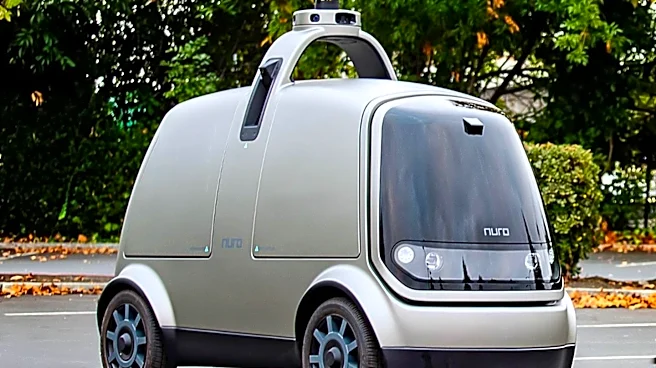
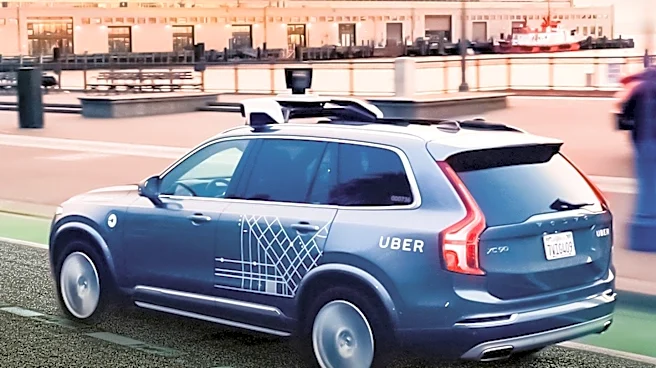
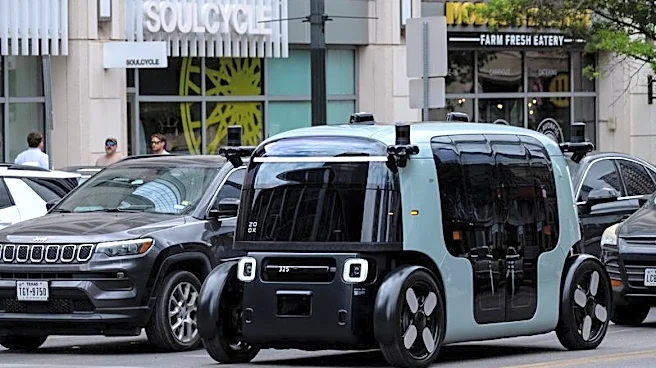
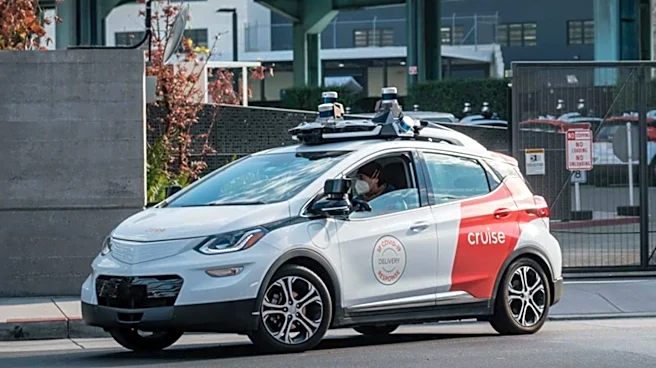
Uber is significantly expanding its autonomous vehicle operations through strategic partnerships and investments. The company has partnered with over 30 autonomous vehicle companies globally, including Serve Robotics, Coco Robotics, and Cruise. Uber's
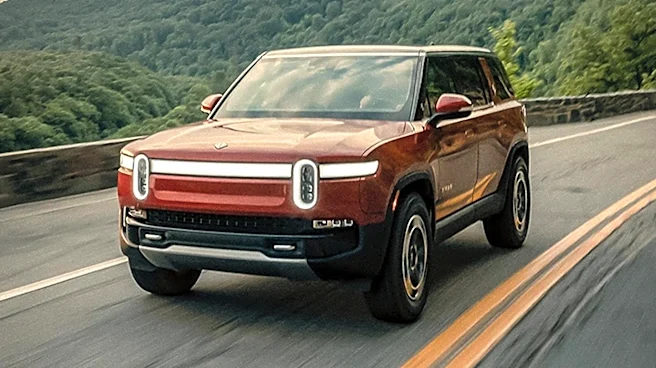
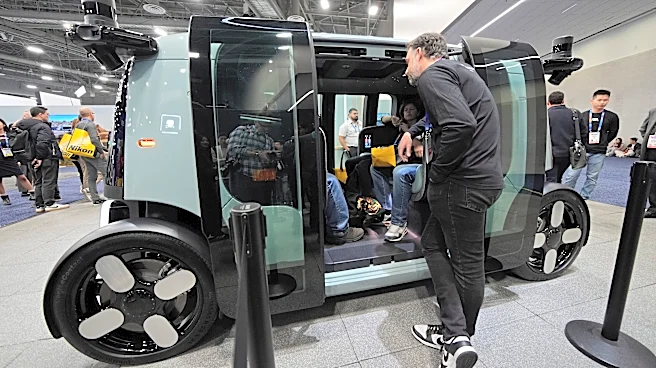
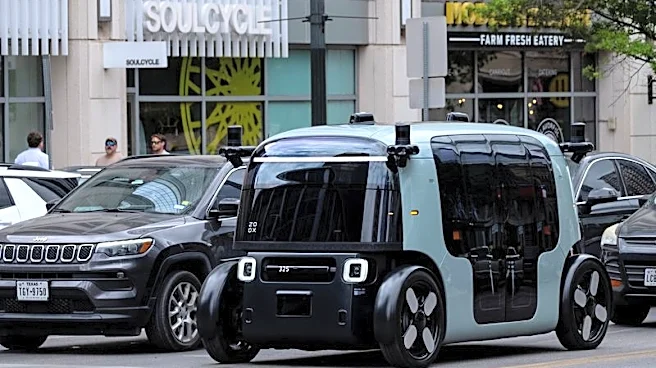
strategy involves integrating autonomous vehicles into its ride-hailing and delivery services. Notably, Uber has invested in Rivian to purchase 10,000 fully autonomous R2 robotaxis, with plans to roll them out in San Francisco and Miami by 2028. Additionally, Uber has partnered with companies like Aurora, Avride, and Baidu to enhance its autonomous delivery and ride-hailing capabilities. These partnerships are part of Uber's broader plan to deploy robotaxis in 25 cities across the U.S., Canada, and Europe by 2031.
Why It's Important?
Uber's expansion into autonomous vehicles represents a significant shift in the transportation and delivery industries. By investing in and partnering with leading autonomous technology companies, Uber aims to reduce operational costs and improve efficiency. This move could potentially disrupt traditional taxi and delivery services, leading to increased competition and innovation in the sector. The deployment of autonomous vehicles could also address labor shortages and reduce the environmental impact of transportation by optimizing routes and reducing emissions. However, it raises concerns about job displacement for drivers and the need for regulatory frameworks to ensure safety and accountability in autonomous operations.
What's Next?
Uber plans to continue expanding its autonomous vehicle network, with a focus on integrating these technologies into its existing services. The company is expected to face regulatory challenges as it seeks approval for widespread deployment of autonomous vehicles. Stakeholders, including government agencies, industry competitors, and labor groups, will likely scrutinize Uber's plans. The success of these initiatives will depend on technological advancements, public acceptance, and the ability to navigate complex regulatory environments. Uber's partnerships with companies like Rivian and Baidu suggest a long-term commitment to transforming urban mobility through autonomous technology.