



What's Happening?
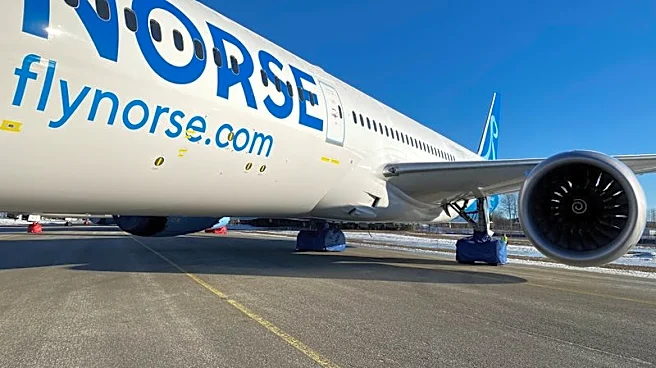
Norse Atlantic, a Norwegian budget airline, has filed for bankruptcy for its main operating unit, leading to the cancellation of all flights and a halt in ticket sales. The airline cited soaring jet fuel prices, exacerbated by the United States-Israel
war on Iran, as the primary reason for its collapse. The long-haul, low-cost carrier announced on Friday that it failed to secure the necessary short-term financing to continue operations. This development makes Norse Atlantic the latest airline to succumb to the financial pressures stemming from the conflict, which has disrupted shipping through the Strait of Hormuz, a critical route for Gulf oil and refined fuel exports. The board of Norse Atlantic Airways AS, the Norwegian operating subsidiary, filed a bankruptcy petition with the Agder District Court after determining there was no longer a basis for continued operations. The bankruptcy only affects the Norwegian unit, with the parent company, Norse Atlantic ASA, and its UK subsidiary still seeking solutions for other parts of the business.
Why It's Important?
The bankruptcy of Norse Atlantic highlights the severe economic repercussions of geopolitical conflicts on global industries, particularly aviation. The significant increase in jet fuel prices, directly linked to the Strait of Hormuz crisis, has created an unsustainable operating environment for many airlines, especially budget carriers that operate on thin margins. This event underscores the vulnerability of the airline industry to external shocks like oil supply disruptions. For the U.S. aviation market, while Norse Atlantic was a Norwegian carrier, its collapse signals broader instability that could affect transatlantic routes and competition. The rising fuel costs could lead to higher airfares for consumers, reduced flight options, and potential financial strain on other airlines, including those operating in the U.S. The situation also emphasizes the importance of fuel hedging strategies, which Norse Atlantic reportedly did not employ, leaving it fully exposed to volatile spot prices. This could prompt other airlines to re-evaluate their risk management approaches.
What's Next?
The immediate consequence for Norse Atlantic is the complete cessation of its Norwegian operating unit's flights and ticket sales, leaving passengers with cancelled bookings and uncertain refunds. The parent company, Norse Atlantic ASA, and its UK subsidiary will likely continue efforts to find a solution for the remaining business segments, though the future of the brand remains precarious. For the broader aviation industry, the ongoing high fuel costs are expected to continue impacting profitability and operational decisions. Other airlines may face similar financial distress, leading to further bankruptcies, route cuts, or restructuring efforts. Passengers can anticipate continued volatility in airfare prices and potentially fewer low-cost long-haul options. Industry analysts suggest that the squeeze will particularly affect the market for budget long-haul flights, as these carriers rely heavily on price-sensitive travelers who may not absorb significant fare increases. The situation also puts pressure on governments and international bodies to address the geopolitical factors contributing to oil price instability.
Beyond the Headlines
The collapse of Norse Atlantic extends beyond immediate financial implications, revealing deeper vulnerabilities within the global economic system. The reliance on critical chokepoints like the Strait of Hormuz for energy supplies exposes industries to significant risks during geopolitical tensions. This event could accelerate the push for alternative fuels and more sustainable aviation practices to reduce dependence on volatile fossil fuel markets. Furthermore, it highlights the ethical dilemma faced by airlines regarding fuel hedging: while hedging can protect against price spikes, it also involves financial risks and can be costly. The lack of hedging by Norse Atlantic, while contributing to its downfall, also reflects a strategic choice that some airlines make. The broader impact on consumer travel patterns could also be significant, as higher prices and fewer options might deter leisure travel, affecting tourism and related sectors. This situation serves as a stark reminder of how interconnected global events are, with a conflict in one region directly impacting the economic viability of businesses thousands of miles away.