






What's Happening?
Elliot Grove, founder of Raindance, asserts that filmmaking is fundamentally an act of faith, emphasizing that belief in a project is more crucial than immediate financial resources. He argues that audiences are more adventurous than the industry often
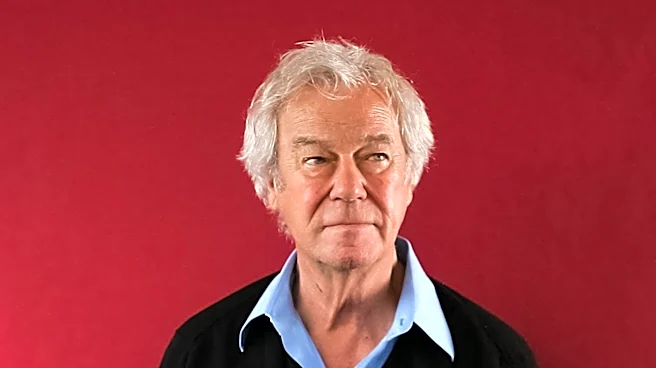
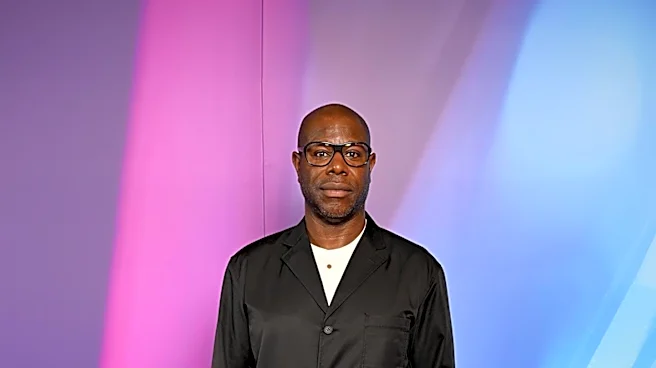
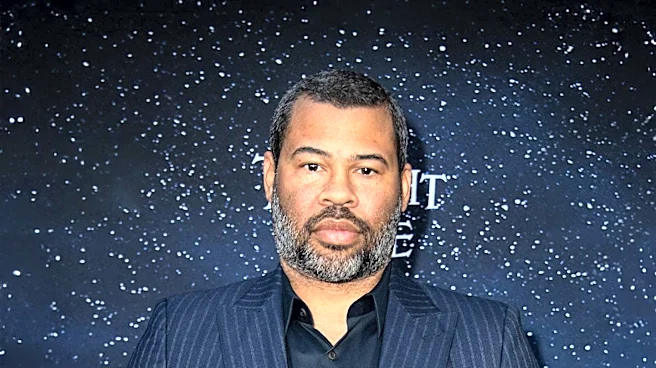
assumes, citing filmmakers like Stanley Kubrick, Agnès Varda, and Jordan Peele who trusted their viewers with ambiguous or socially challenging narratives. Grove highlights that the journey of filmmaking often involves long periods of silence and rejection, where faith in the project and the audience becomes paramount. He uses examples of successful films like 'The Crying Game' and 'Rocky' to illustrate how filmmakers, producers, and even actors must operate on borrowed faith, convincing others to believe in an idea before its realization.
Why It's Important?
This perspective is important for the U.S. film industry, particularly for independent filmmakers and emerging talent, as it redefines success and viability beyond immediate financial backing. Grove's argument encourages a shift in focus from solely securing large budgets to cultivating belief and trust among collaborators and audiences. This can democratize filmmaking, making it more accessible to those with compelling stories but limited resources. By emphasizing faith, the industry might foster more diverse and original content, as creators are empowered to pursue projects that might not fit conventional commercial molds. It also highlights the resilience required in creative careers, offering a counter-narrative to the often-glamorized aspects of Hollywood.
What's Next?
If Grove's philosophy gains wider traction, it could lead to a greater emphasis on community-driven and independent film projects in the U.S. Filmmakers might increasingly prioritize building a loyal audience and a network of supportive collaborators over chasing large studio deals. This could result in more innovative distribution models, where films find their niche audiences through direct engagement and word-of-mouth, rather than relying solely on traditional marketing. Film schools and industry workshops might also incorporate more teachings on resilience, audience engagement, and the 'faith' aspect of filmmaking, preparing future generations for the inherent challenges of the creative process.
Beyond the Headlines
The concept of 'faith' in filmmaking extends beyond mere belief in a project; it touches upon the ethical and relational dimensions of the industry. Grove suggests that filmmakers must honor the faith placed in them by being prepared, punctual, and transparent, fostering a sense of shared responsibility. This implies a more collaborative and respectful environment, where trust is a core currency. Furthermore, the idea that audiences need to have faith in the world created by the filmmaker, and that the journey will reward them, speaks to the profound connection between art and its viewers. It underscores the artist's responsibility to deliver emotional truth, even in fantastical narratives, to maintain that trust. This deeper understanding of faith can transform how films are conceived, produced, and received, fostering a more meaningful cultural exchange.