









What's Happening?
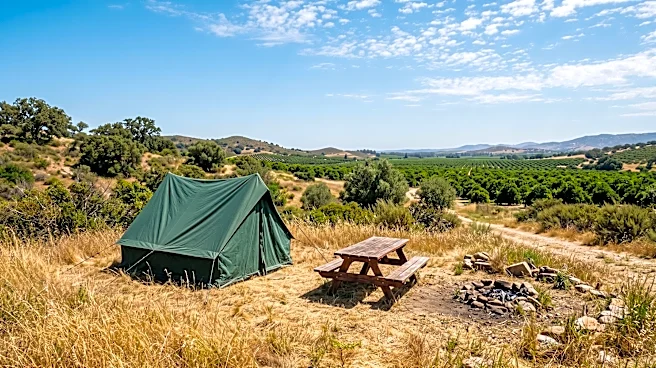
The San Diego County Board of Supervisors has unanimously voted to draft an ordinance that would permit low-impact camping on private land. This initiative aims to bolster agricultural tourism and recreation opportunities within the county's rural communities.
The measure, introduced by Supervisor Joel Anderson, directs county staff to evaluate state Assembly Bill 518, known as the Low-Impact Camping Areas Act, and present options to the board within 180 days. The proposed ordinance seeks to provide supplemental income for farmers, ranchers, and rural landowners, address potential fire concerns, and reduce unauthorized camping. Farmers like Skip Lanfried of Quixote Farm emphasized the critical need for agritourism options, stating that without them, their farms could face closure within a few years. Andy Lyall, a fourth-generation citrus and avocado grower, highlighted the benefit of reconnecting people with nature through such experiences. The state law, authored by Assemblyman Chris Ward, streamlines the permitting process and aims to alleviate pressure on state, regional, and national parks.
Why It's Important?
This move by San Diego County is significant for the agricultural sector, offering a new revenue stream for farmers facing financial pressures from taxes, agricultural inputs, and drought. Agritourism, including farm stays and agricultural picking events, can be a vital lifeline for maintaining farm operations and preserving rural landscapes. By providing a regulated framework for low-impact camping, the county aims to support its rural economic development goals while also addressing public safety concerns, such as fire risks and proper waste disposal. The ordinance could serve as a model for other counties looking to leverage their agricultural assets for tourism, potentially creating a broader trend in rural economic diversification across the U.S. It also acknowledges the growing demand for outdoor recreational activities and farm-based experiences, which can foster a deeper connection between consumers and the origins of their food.
What's Next?
County staff are tasked with evaluating state Assembly Bill 518 and developing specific options for the local ordinance within 180 days. This process will involve considering various factors, including fire safety protocols in coordination with County Fire and other public safety agencies, potential revenue impacts from permit fees and Transient Occupancy Tax, and strategies to reduce unauthorized camping. Public input will be a crucial component of the ordinance's crafting, as emphasized by Supervisor Anderson. Following the staff's recommendations, the Board of Supervisors will review and potentially adopt the new regulatory framework. The implementation of this ordinance could lead to an increase in agritourism activities in San Diego County, offering new opportunities for both landowners and visitors seeking unique rural experiences.
Beyond the Headlines
The San Diego County initiative reflects a broader national trend where agritourism is increasingly recognized as a sustainable economic model for rural communities. Beyond immediate financial benefits, such ordinances can foster a greater appreciation for agriculture and rural life among urban populations. However, the development of these policies also brings challenges, including balancing economic development with environmental protection, ensuring public safety, and managing the impact of increased visitor traffic on rural infrastructure. The success of this ordinance will depend on effective collaboration between local government, agricultural stakeholders, and public safety officials to create a framework that is both economically viable and environmentally responsible. It also highlights the evolving definition of a 'farm' in the 21st century, moving beyond mere production to encompass educational, recreational, and hospitality functions.