




What's Happening?
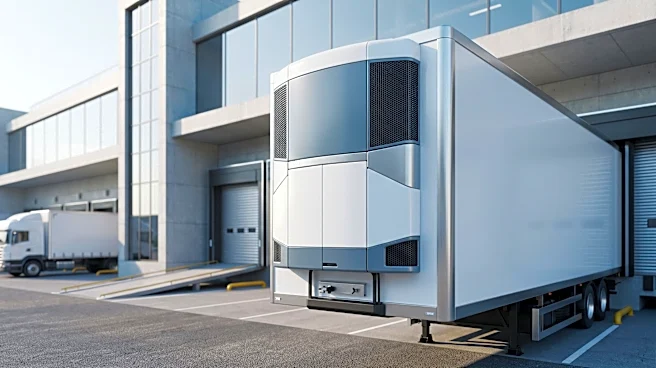
Carrier Transicold has launched the all-electric Vector 8200 transport refrigeration unit (TRU), designed to provide supplemental, multi-temperature cold storage capacity for fresh and frozen food fleets. This new unit operates entirely on electricity
from the grid or other external power sources, eliminating the need for diesel fuel, reducing noise, and producing zero direct emissions. The Vector 8200 features a TRU-Demand E-Drive energy management system that monitors power draw, adjusts to electrical supply changes, and maintains voltage during brownouts. It is Carrier Transicold’s first engineless TRU with multi-temperature capabilities, offering four remote evaporator options to cool trailers with one, two, or three compartments. The unit provides up to 58,000 BTU/hr at 35°F, 33,500 BTU/hr at 0°F, and 22,000 BTU/hr at -20°F, along with electric heating and defrost when connected to shore power. Advanced APX controls with IntelliSet technology and ProductShield ensure precise temperature control, while a DataLink data recorder logs temperature history for compliance.
Why It's Important?
The introduction of the all-electric Vector 8200 by Carrier Transicold marks a significant advancement in sustainable cold chain logistics for the U.S. trucking industry. By eliminating diesel fuel consumption and direct emissions, this unit directly addresses growing environmental concerns and regulatory pressures for cleaner transportation and logistics operations. For refrigerated fleets, it offers a flexible and eco-friendly solution for temporary cold storage needs during peak seasons, facility upgrades, or unexpected demand, without the operational complexities and environmental impact of diesel engines. This innovation can help companies reduce their carbon footprint, improve air quality in and around their facilities, and potentially lower operating costs associated with fuel and maintenance. The multi-temperature capability also enhances operational efficiency, allowing diverse products to be stored in a single trailer. This technology supports the broader U.S. goal of decarbonizing the transportation sector and transitioning towards more sustainable supply chain practices.
What's Next?
The Vector 8200 is expected to be adopted by refrigerated fleets looking to enhance their cold storage capacity while adhering to environmental sustainability goals. Its external electric power, power-demand management, temperature recording, and telematics capabilities are designed to integrate seamlessly into existing operations. This could lead to increased efficiency and reduced fuel use and direct emissions at facilities. As more companies prioritize environmental, social, and governance (ESG) initiatives, demand for such all-electric solutions is likely to grow. Carrier Transicold may continue to expand its line of electric TRUs, potentially developing units with even greater capacity or specialized features to meet diverse industry needs. The success of the Vector 8200 could also encourage other manufacturers in the cold chain sector to accelerate their development of electric and zero-emission technologies, fostering a more competitive and innovative market for sustainable logistics solutions.
Beyond the Headlines
The shift towards all-electric transport refrigeration units like the Vector 8200 has broader implications for urban logistics and public health. Diesel-powered TRUs contribute to air pollution and noise, particularly in densely populated areas where food distribution centers are often located. The adoption of electric units can significantly improve air quality and reduce noise pollution in these communities, leading to better public health outcomes. Furthermore, the integration of advanced telematics and data logging capabilities in the Vector 8200 highlights the increasing role of data-driven insights in optimizing cold chain management. This allows for more precise temperature control, enhanced product quality assurance, and improved compliance with food safety regulations. The ability to manage power demand intelligently also contributes to grid stability, especially as more electric vehicles and equipment draw power from the electrical grid. This technology represents a step towards a more interconnected, efficient, and environmentally responsible cold chain ecosystem.