




What's Happening?
Dell Technologies has significantly raised its full-year revenue forecast to $202 billion for fiscal year 2027, up from a previous estimate of $192 billion. This adjustment follows a record-breaking third quarter, where the company reported $54.94 billion in revenue,
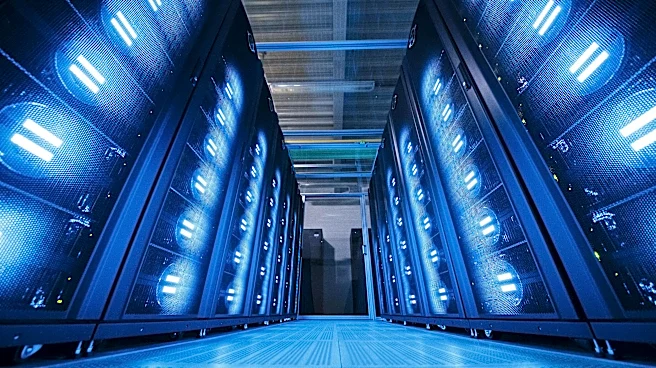
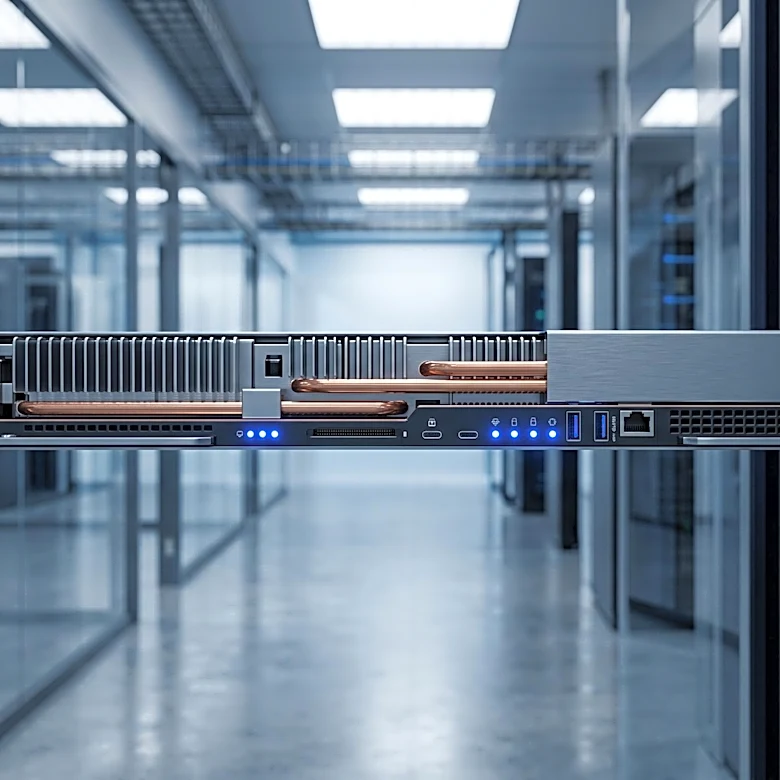
more than double the previous year. The primary driver for this growth is an unprecedented demand for AI servers, with AI-optimized server revenue soaring by 291% to $22.03 billion. Dell also recorded $60.2 billion in new AI server orders during the quarter, pushing its AI server backlog to a record $132.3 billion. The Infrastructure Solutions Group (ISG), which includes AI servers, now accounts for approximately 85% of Dell's total quarterly revenue, marking a significant shift from its historical focus on PCs. Founder and CEO Michael Dell highlighted the accelerating global demand for intelligence, emphasizing Dell's role in building the necessary infrastructure.
Why It's Important?
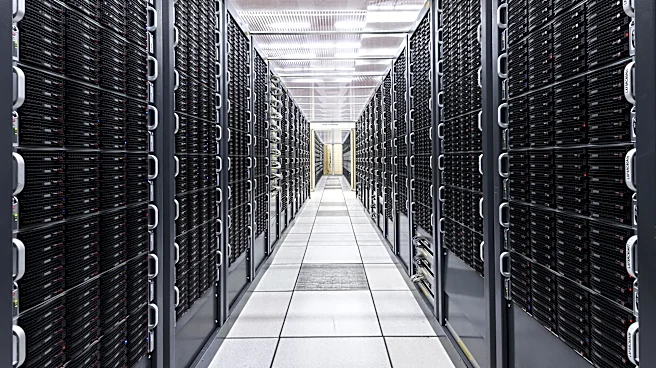
This development is crucial for the U.S. technology sector and broader economy, signaling a robust and accelerating investment in artificial intelligence infrastructure. Dell's substantial increase in its revenue forecast and its massive AI server backlog indicate that the demand for AI capabilities is not only strong but also outstripping current supply. This trend has significant implications for chipmakers, memory suppliers, and power equipment manufacturers, as Dell's $132.3 billion order book translates into sustained purchasing across the supply chain. For businesses and model labs, the growing backlog suggests that access to AI training and inference capacity will remain scarce, potentially pushing smaller entities towards rented capacity or open-weight models. The shift in Dell's revenue composition, with ISG now dominating, underscores a fundamental transformation in the IT hardware market, moving away from traditional PCs towards high-performance computing essential for AI. This also highlights the increasing importance of physical constraints like land and power in the AI buildout, beyond just chip supply.
What's Next?
Dell anticipates continued strong performance, guiding for approximately $56.3 billion in revenue for the fourth quarter, exceeding analyst estimates. The company has also authorized a $25 billion share repurchase program, signaling management's confidence in sustained cash generation. Investors will closely monitor the conversion rate of Dell's record AI server backlog into recognized revenue, as delivery speed becomes a critical metric. The company's vetting process for AI orders, which includes checks for customer quality, access to capital, trade compliance, and availability of land and power, suggests that physical and financial constraints could influence the pace of backlog conversion. Any improvements in chip or memory supply could accelerate deliveries, while large customer spending pauses or grid hookup delays could slow them down. The ongoing shift in Dell's business model will likely see further emphasis on infrastructure solutions over traditional PC sales.
Beyond the Headlines
The immense and growing backlog for AI servers at Dell points to a deeper societal and economic transformation driven by artificial intelligence. The 'AI buildout' is not merely a technological upgrade but a fundamental re-architecting of digital infrastructure, with implications for energy consumption, urban planning (due to data center land and power requirements), and global supply chain resilience. The vetting criteria for AI orders, particularly regarding trade and export compliance, highlight the geopolitical dimensions of advanced technology, as AI accelerators are subject to licensing regimes. This could lead to increased scrutiny and potential fragmentation in the global AI hardware market. Furthermore, the sustained demand for AI infrastructure, despite market volatility and concerns about an 'AI bubble,' suggests that businesses and governments view AI as a long-term strategic imperative, driving significant capital expenditure and potentially reshaping competitive landscapes across various industries.