





What's Happening?
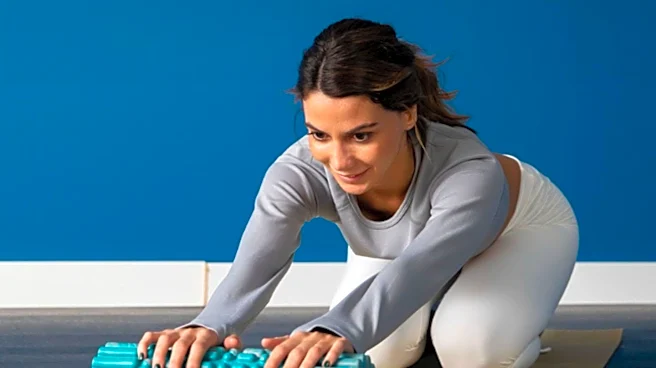
Foam rolling is a self-massage technique that involves using a firm, cushioned cylinder to apply pressure to muscles and surrounding soft tissue. This method helps release tight muscle bands, improve blood flow, and enhance tissue flexibility and mobility.
It is widely incorporated into various therapeutic practices, including exercise therapy, manual therapy, sports injury rehabilitation, and general physical therapy. Patients use their own body weight to control the pressure applied, allowing for independent soft-tissue work between clinical sessions and at home. This technique empowers individuals to actively participate in their recovery process, offering a consistent way to manage muscle tightness and gain more control over their daily physical well-being. Foam rollers are available in different densities and textures, which dictate the intensity and targeted effect of the pressure.
Why It's Important?
The widespread adoption of foam rolling in physical therapy and rehabilitation centers signifies a shift towards patient-empowered recovery methods. By providing individuals with a tool to independently address muscle tightness and improve flexibility, foam rolling can potentially reduce reliance on frequent clinical visits for manual soft-tissue work. This accessibility makes it a valuable component of home exercise routines, promoting continuous progress and better long-term outcomes for muscle health. The technique's self-directed nature allows patients to adjust pressure based on their comfort levels, making it suitable for a diverse range of ages and activity levels. Furthermore, its low cost and portability make it an accessible tool for ongoing self-care, extending therapeutic benefits beyond the clinic setting.
What's Next?
As foam rolling continues to be integrated into physical therapy protocols, future developments may include more specialized foam roller designs tailored for specific muscle groups or conditions. Clinicians will likely continue to refine guidance on optimal techniques, pressure application, and integration into comprehensive home exercise programs. There may also be an increase in educational resources, such as apps and online tutorials, to help individuals learn proper foam rolling techniques safely and effectively. Research may further explore the long-term benefits of consistent foam rolling on muscle recovery, injury prevention, and overall physical performance, potentially leading to even broader applications in fitness and wellness.
Beyond the Headlines
Beyond its immediate physical benefits, foam rolling represents a broader trend in healthcare towards self-management and preventative care. By teaching patients how to effectively use tools like foam rollers, healthcare providers are fostering greater body awareness and self-efficacy. This approach encourages individuals to take a more active role in maintaining their physical health, potentially reducing the incidence of chronic muscle tightness and related issues. The accessibility and simplicity of foam rolling also highlight how basic, non-pharmacological interventions can significantly contribute to well-being, offering a cost-effective and empowering alternative or complement to traditional treatments. This emphasis on self-care tools could lead to a more proactive and sustainable approach to musculoskeletal health.