





What's Happening?
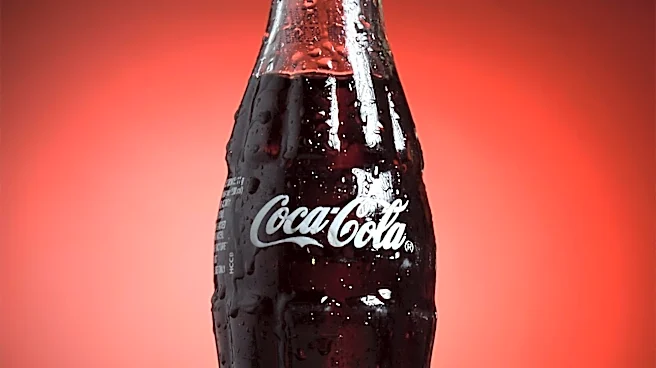
The Coca-Cola Company has experienced several product failures throughout its history, despite its status as a globally recognized brand. The pressure to innovate in the competitive beverage market has led to various attempts at rebranding and new product introductions
that did not resonate with consumers. These instances highlight the challenges of altering classic brands, where changes can sometimes be met with significant consumer rejection. The company's efforts to introduce new or different products have occasionally resulted in offerings that were poorly received, ranging from unusual to unappealing to the public. This pattern suggests that while innovation is crucial, it also carries the risk of alienating a loyal customer base that values the original product. The company has faced situations where it might have been more beneficial to maintain its classic offerings rather than attempting to reinvent them.
Why It's Important?
The history of Coca-Cola's product failures underscores a critical lesson for the consumer goods industry: the delicate balance between innovation and brand loyalty. For a company with such a strong heritage and iconic product, any deviation from the core offering carries substantial risk. These failures demonstrate that even market leaders can misjudge consumer preferences and market demand when attempting to introduce new products or significantly alter existing ones. This is particularly important in the U.S. market, where consumer tastes are diverse and brand loyalty can be fierce. Such missteps can lead to significant financial losses, damage brand reputation, and erode consumer trust. The experiences of Coca-Cola serve as a cautionary tale for other companies considering radical product changes or expansions, emphasizing the need for thorough market research and a deep understanding of their customer base before launching new initiatives.
What's Next?
While the source does not explicitly detail what's next for Coca-Cola regarding future product innovations or potential failures, the historical context suggests a continuous cycle of product development and market testing. Companies like Coca-Cola are constantly under pressure to innovate to stay competitive and relevant in a dynamic market. This implies that future product launches will likely continue, but potentially with more cautious approaches, informed by past missteps. The company will likely continue to balance the need for novelty with the preservation of its core brand identity. Future strategies might involve more incremental changes, targeted niche products, or extensive consumer testing before widespread release to mitigate risks associated with major product overhauls. The ongoing challenge for Coca-Cola will be to find new avenues for growth without alienating its established consumer base.
Beyond the Headlines
The narrative of Coca-Cola's product failures extends beyond mere business missteps; it touches upon the cultural significance of iconic brands. For many consumers, Coca-Cola is more than just a beverage; it's a symbol of tradition, nostalgia, and a consistent experience. When a company attempts to alter such a deeply ingrained product, it can evoke strong emotional responses, highlighting the psychological connection consumers have with established brands. These failures also illustrate the 'curse of innovation' for market leaders, where the very success of their core product creates immense pressure to diversify, often leading to ventures outside their established expertise. This phenomenon raises questions about the limits of brand extension and the wisdom of deviating from a proven formula, especially when the original product holds such a significant place in popular culture and consumer identity. It underscores that sometimes, the most innovative strategy is to protect and perfect the classic.