





What's Happening?
Homeowners associations (HOAs) in the United States are increasingly recognized for their potential role in promoting environmental sustainability. While traditionally seen as barriers to eco-friendly practices due to strict aesthetic rules, some HOAs are evolving
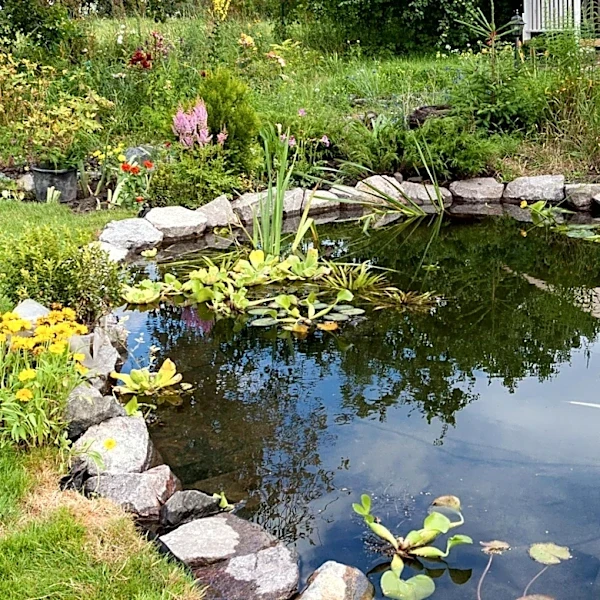
to support sustainable landscaping and energy solutions. This shift is particularly evident in regions facing water scarcity and environmental challenges. HOAs have significant influence over residential sustainability through their governance of landscaping, energy production, and water use. Recent legislative changes in states like Maryland and California have empowered homeowners to adopt sustainable practices, challenging traditional HOA norms.
Why It's Important?
The role of HOAs in environmental policy is crucial as they govern many aspects of residential life that impact sustainability. By encouraging eco-friendly practices, HOAs can significantly reduce water usage, promote biodiversity, and support renewable energy adoption. This transformation can lead to more sustainable communities and contribute to broader environmental goals. The shift in HOA policies also reflects changing societal values towards sustainability and the need for local governance structures to adapt to environmental challenges.
What's Next?
As more HOAs embrace sustainability, there may be increased collaboration with local governments and environmental organizations to develop and implement eco-friendly policies. This could lead to the creation of model rules that prioritize sustainability from the outset of community development. Homeowners and environmental advocates may continue to push for legislative changes that support sustainable practices, potentially influencing national standards for residential sustainability. The evolution of HOAs could serve as a model for other private governance structures seeking to balance aesthetic preferences with environmental responsibility.