


What's Happening?
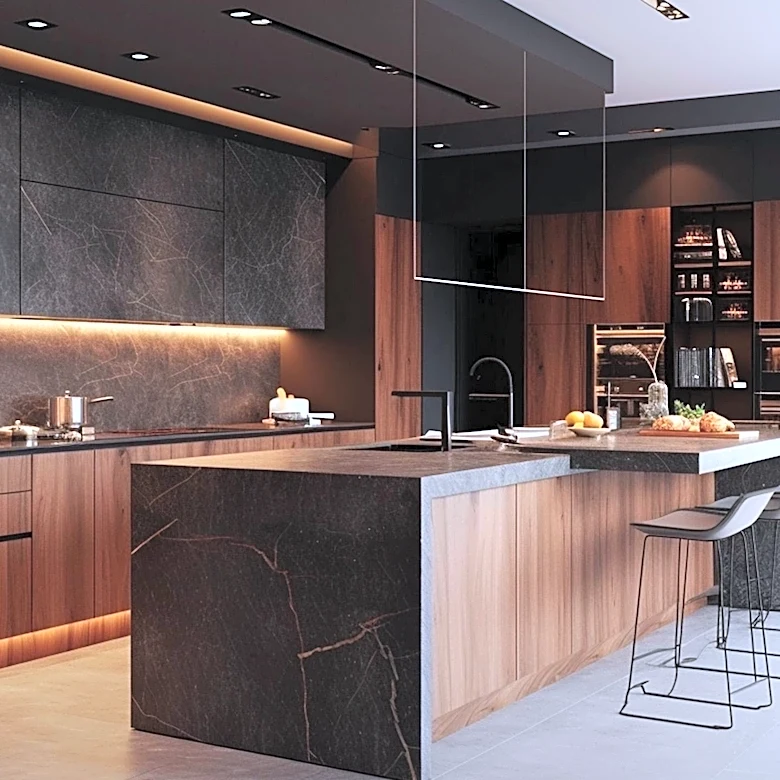
New strategies for maximizing space in smaller kitchens are focusing on clever cabinetry layouts and storage solutions. These methods emphasize optimizing vertical space, utilizing narrow gaps, and improving accessibility within cabinets. Key recommendations
include installing taller wall cabinets or stacked units to extend storage closer to the ceiling, and incorporating narrow pull-outs (9 inches or less) for items like spices, oils, or cleaning supplies in otherwise unused filler spaces. The approach also highlights the importance of planning cabinet layouts around everyday tasks, creating specific zones for cooking, preparation, and cleaning to ensure efficiency. Full-extension slides and roll-out trays are suggested for drawers and cabinet interiors to make contents more accessible, preventing items from being lost at the back of shelves. Corner cabinet pull-outs, such as rotating lazy Susans or blind corner pull-outs, are also recommended to utilize often-wasted corner space effectively for pots, colanders, or bulk dry goods.
Why It's Important?
These innovative kitchen design approaches are important for U.S. homeowners and the housing market, particularly as living spaces in urban areas tend to be smaller. By providing practical solutions for maximizing kitchen storage without expanding the footprint, these ideas can significantly enhance the functionality and appeal of compact homes and apartments. For consumers, this means a more organized and efficient kitchen environment, reducing clutter and improving daily routines. For the home improvement and cabinetry industries, these trends drive demand for specialized hardware like full-extension slides and corner pull-outs, as well as custom cabinet designs. Real estate developers and interior designers can leverage these concepts to make smaller properties more attractive and livable, potentially increasing property values and marketability in competitive housing markets. The emphasis on thoughtful layout also promotes a more sustainable use of space, aligning with broader trends towards efficient living.
What's Next?
The adoption of these space-saving kitchen solutions is likely to continue growing, influencing future kitchen design and renovation projects across the U.S. Consumers will increasingly seek out designers and contractors who specialize in optimizing small spaces. Manufacturers of kitchen cabinetry and storage accessories can expect continued demand for innovative products that cater to these needs, such as customizable pull-outs, vertical dividers, and specialized corner units. Educational resources and DIY guides on implementing these hacks will also become more prevalent, empowering homeowners to undertake their own space-saving improvements. Furthermore, as urban living continues to expand, the principles of maximizing vertical space and utilizing every inch will likely extend to other areas of the home, driving a broader trend in compact living solutions.
Beyond the Headlines
Beyond the immediate benefits of increased storage, these trends reflect a deeper cultural shift towards more mindful consumption and efficient living in the U.S. The emphasis on maximizing existing space rather than constantly seeking larger homes speaks to a growing awareness of sustainability and the desire to reduce one's environmental footprint. Ethically, it promotes a more organized and less wasteful lifestyle, as items are more easily found and used. Economically, it democratizes access to well-designed living spaces, making smaller homes more viable and comfortable for a wider range of incomes. This focus on intelligent design over sheer size could also influence architectural trends, leading to more innovative and multi-functional residential units that prioritize utility and aesthetics within limited square footage. The psychological benefit of a decluttered and organized home, contributing to reduced stress and increased well-being, is also a significant, albeit less obvious, implication.