




What's Happening?
The Super Age Games, described as the 'world's first live longevity fitness competition,' recently took place in New York City on November 7. This event aims to help participants assess their 'healthspan' by testing various markers that predict longevity.
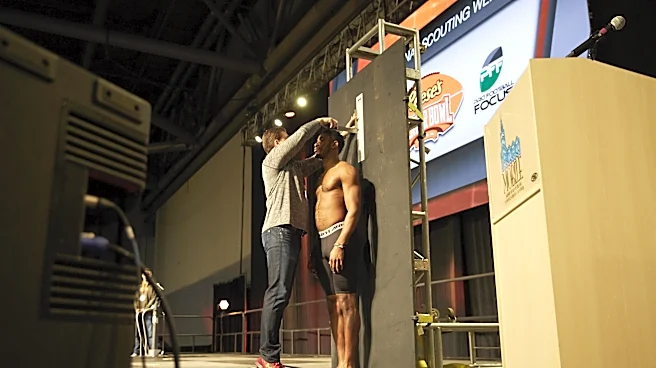
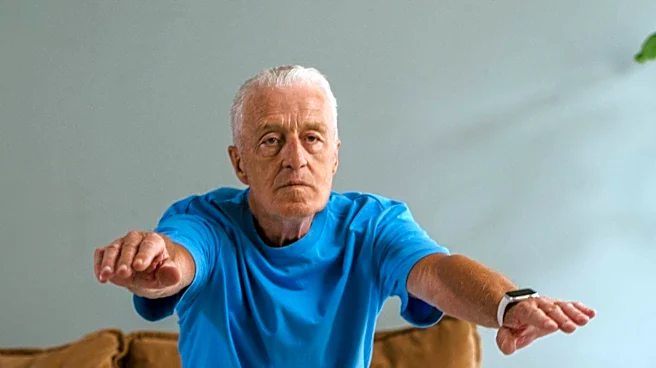
The competition features eight trials designed to evaluate grip strength, aerobic capacity, agility, balance, functional strength, memory, and relational capacity. Participants, ranging from young adults to individuals in their 70s, competed individually and in teams. Each participant received a medal and a personalized report detailing their strengths, areas for improvement, and tailored longevity training tips. A practice day was held prior to the main event, allowing individuals to test-run the trials. The feedback and action plans provided to participants are based on research from the Buck Institute for Research on Aging, insights from performance coach Andy Walshe, PhD, and longevity research.
Why It's Important?
This competition highlights a growing public interest in longevity and proactive health management within the U.S. By focusing on measurable markers of aging and providing personalized feedback, the Super Age Games could influence how individuals approach their fitness routines and long-term health goals. The emphasis on a holistic approach, including physical and cognitive challenges, underscores the evolving understanding of what constitutes healthy aging. For the fitness industry, such events could spur innovation in training programs and wearable technology designed to track and improve longevity metrics. Furthermore, the data collected from a diverse participant pool could contribute to broader research on aging, potentially informing public health initiatives and personalized medicine strategies aimed at extending healthy lifespans across the U.S. population.
What's Next?
Following the Super Age Games, participants are encouraged to integrate the personalized training tips and action plans into their daily routines. The organizers may analyze the aggregated data from the competition to identify trends in longevity markers across different age groups and demographics. This information could be used to refine future iterations of the games or develop new longevity-focused programs. There is potential for the Super Age Games to expand to other U.S. cities or become an annual event, further popularizing the concept of longevity fitness. Additionally, the insights gained from the competition could lead to collaborations with healthcare providers or wellness companies to offer more targeted interventions for improving healthspan.
Beyond the Headlines
The Super Age Games tap into a deeper societal shift towards preventative health and the desire to not just live longer, but to live better for longer. This movement challenges traditional views of aging as a period of decline, instead promoting an active and engaged approach to health throughout life. The inclusion of cognitive and emotional intelligence tests alongside physical challenges reflects a more comprehensive understanding of well-being, moving beyond mere physical fitness. Ethically, such competitions raise questions about accessibility and equity in longevity pursuits, as specialized training and resources may be required. Culturally, it could foster a greater appreciation for the diverse capabilities of older adults and encourage intergenerational participation in health and wellness activities, potentially reshaping societal perceptions of age and vitality.