



What's Happening?
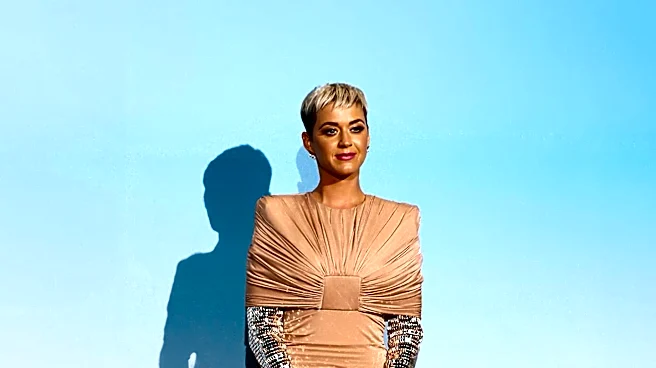
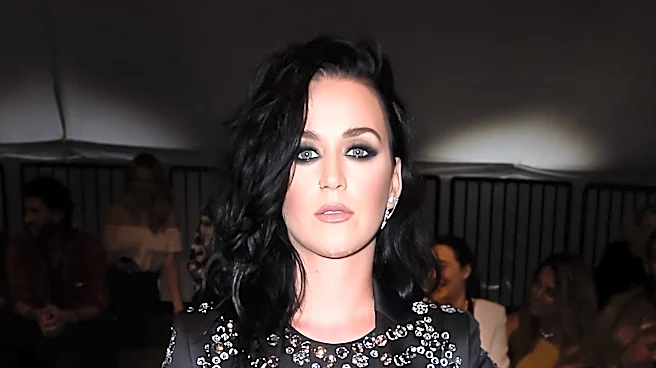
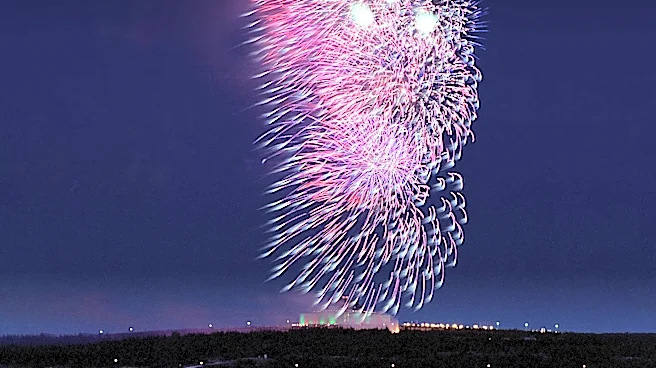
The White House has continued its controversial use of pop music in social media posts, this time involving Katy Perry's song 'Part of Me'. Following a previous incident where Perry's 'Firework' was used in a TikTok video depicting military strikes against
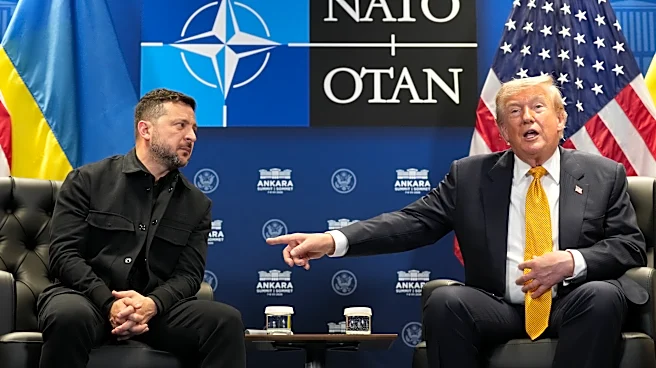
Iran, the White House released another video featuring 'Part of Me'. The video included military-themed footage from Perry's music video, interspersed with images of President Trump and military personnel. This move has been perceived as a taunt towards Perry, who had previously expressed her disapproval of her music being used in such contexts. The administration's actions have sparked a broader conversation about the use of artists' work in political messaging without their consent.
Why It's Important?
This incident highlights ongoing tensions between artists and political entities over the unauthorized use of music. The use of popular music in political contexts can imply endorsement, which many artists, including Perry, have publicly opposed. This situation underscores the broader issue of intellectual property rights and the ethical considerations of using creative works in political messaging. The backlash from artists like Perry could influence public perception of the administration and its communication strategies, potentially affecting its relationship with the entertainment industry.
What's Next?
The continued use of music without artists' consent may lead to legal challenges or calls for stricter regulations on intellectual property use in political contexts. Artists and their representatives might seek to establish clearer guidelines or legal protections to prevent unauthorized use of their work. Additionally, the administration may face increased scrutiny and pressure to address these concerns, potentially leading to changes in how it engages with cultural content.