


What's Happening?
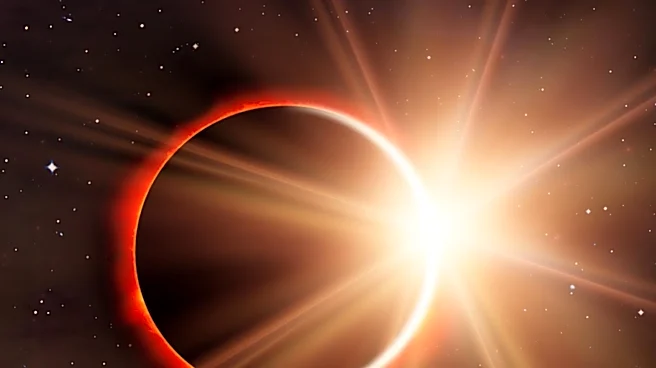
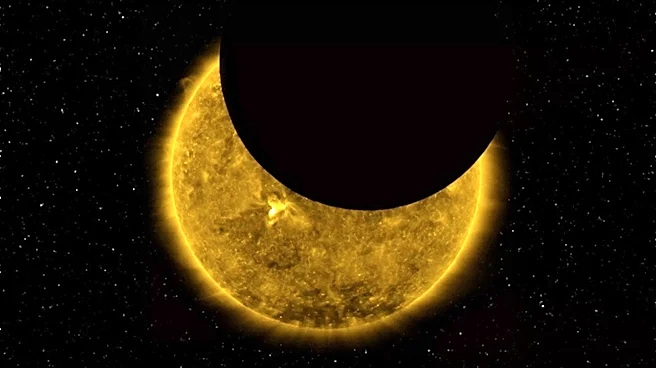
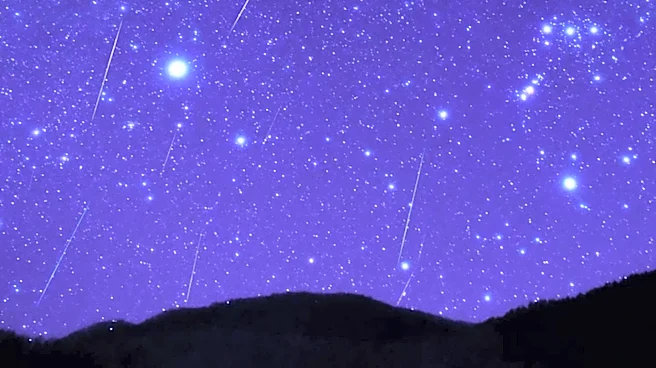
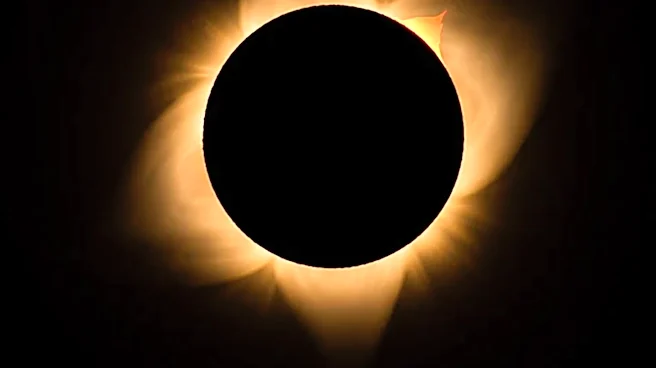
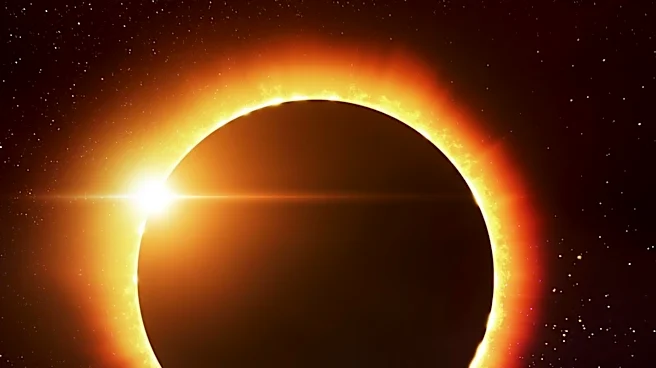
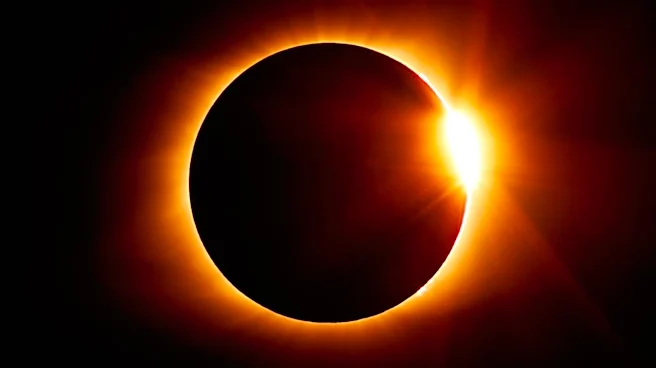
The annual Perseid meteor shower, a prominent celestial event in the Northern Hemisphere, is expected to be particularly spectacular this year due to its coincidence with a total solar eclipse. The peak of the meteor shower is projected for August 12,
the same day as the eclipse over Greenland, Iceland, and Spain. This alignment will result in a moonless night, providing ideal conditions for viewing the meteor shower. The Perseids are known for their bright, fast meteors and occasional fireballs, making them a popular event for stargazers. The shower is visible across much of the Northern Hemisphere, with dark sky destinations offering the best viewing opportunities.
Why It's Important?
The convergence of the Perseid meteor shower and a total solar eclipse presents a unique opportunity for astronomers and the general public to witness two significant astronomical events simultaneously. This rare alignment enhances the visibility and impact of the meteor shower, drawing attention to the importance of preserving dark sky areas for astronomical observation. The event also highlights the growing interest in astrotourism, as travelers seek out optimal locations to experience these natural phenomena. The increased visibility of the Perseids may inspire greater public interest in astronomy and the preservation of night skies.
What's Next?
As the peak of the Perseid meteor shower approaches, stargazers are encouraged to seek out dark sky locations to maximize their viewing experience. National parks and designated Dark Sky Places are expected to see an influx of visitors. The event may also prompt discussions on the importance of reducing light pollution to preserve the visibility of celestial events. Additionally, the success of this year's Perseids could lead to increased interest in future astronomical events, further promoting astrotourism and the conservation of dark sky areas.