
What's Happening?
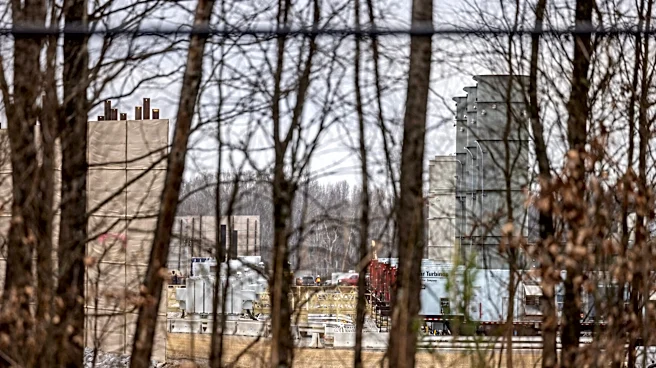
SpaceXAI, a subsidiary of SpaceX, has commenced construction on a data center in Southaven, Mississippi, without obtaining the necessary water permits. The Mississippi Department of Environmental Quality
(MDEQ) has alleged that the company began its construction activities prior to securing these essential permits. This situation has brought attention to regulatory compliance in large-scale industrial projects. SpaceXAI is reportedly cooperating with authorities to resolve the issue, indicating a willingness to address the regulatory oversight. The construction of data centers typically involves significant water usage for cooling systems, making water permits a critical component of environmental regulation and resource management.
Why It's Important?
This incident is important as it underscores the critical role of regulatory oversight in large industrial developments, particularly concerning environmental resources. The construction of a data center without proper water permits raises concerns about potential environmental impacts, including strain on local water supplies and wastewater management systems. For Mississippi, ensuring compliance with environmental regulations is crucial for protecting natural resources and public health. This situation could lead to increased scrutiny of other large-scale developments in the state and potentially influence future permitting processes. It also highlights the challenges faced by rapidly expanding technology companies in navigating diverse local and state regulatory frameworks, and the importance of adherence to these regulations to maintain public trust and environmental integrity.
What's Next?
The immediate next steps will involve SpaceXAI working directly with the Mississippi Department of Environmental Quality (MDEQ) to rectify the permit situation. This will likely include submitting the required applications, providing any necessary environmental impact assessments, and potentially facing fines or penalties for non-compliance. The MDEQ will review the submitted documentation and determine the appropriate course of action, which could range from issuing the permits retroactively to halting construction until all requirements are met. This event may also prompt a broader review of permitting processes for large industrial projects in Mississippi to prevent similar occurrences in the future. Public and environmental groups may also monitor the situation closely, advocating for strict adherence to environmental protection standards.
Beyond the Headlines
Beyond the immediate regulatory issue, this incident touches upon broader themes of corporate responsibility and environmental stewardship in the rapidly expanding technology sector. Data centers are energy-intensive and water-intensive facilities, and their proliferation raises questions about sustainable development and resource management. The situation in Mississippi could spark discussions about the adequacy of existing environmental regulations for new technologies and the need for proactive engagement between corporations and regulatory bodies. It also highlights the tension between economic development, driven by tech expansion, and environmental protection. Long-term implications could include stricter environmental impact assessments for data centers, increased public demand for transparency in industrial development, and a push for more sustainable cooling technologies in the data center industry.