

What's Happening?
Interior design is moving away from cool neutrals and minimalism towards warmer, more inviting, and layered spaces, according to design experts. Laura Gerber, founder of ODE Design, notes that warmth now signifies authentic, comfortable spaces reflecting
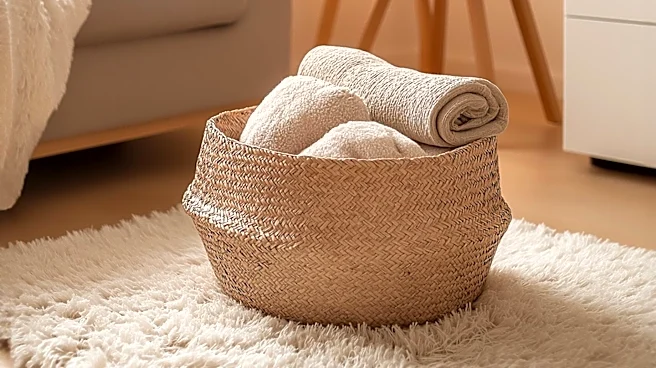
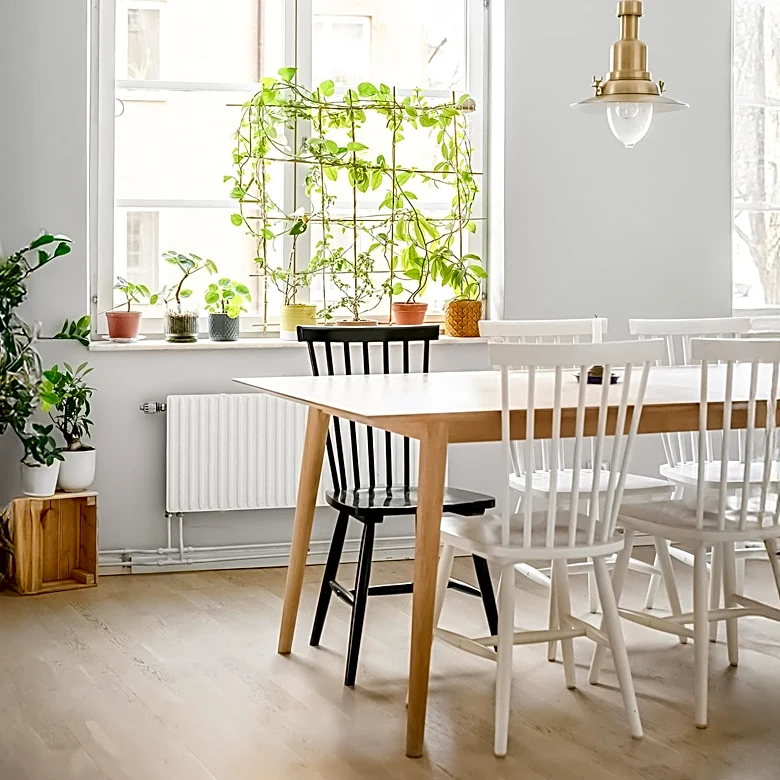
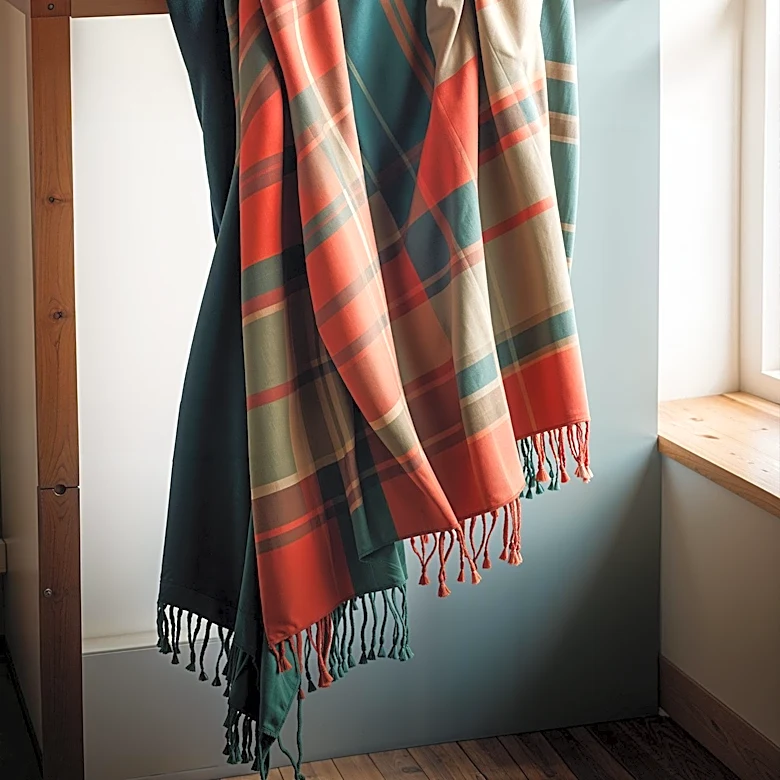
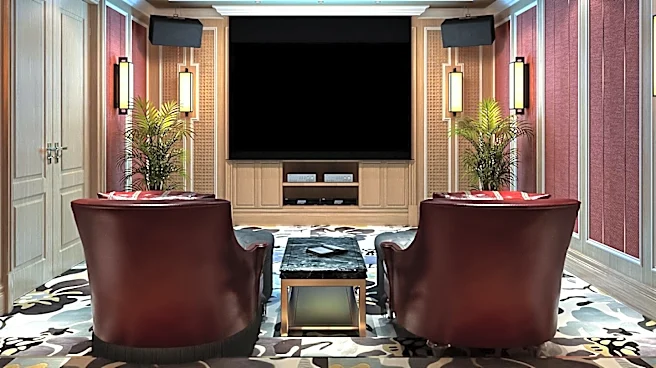
their inhabitants. Designers are increasingly incorporating wood, particularly white oak, walnut, and rift-cut cabinetry, along with wood ceilings and paneled walls, as explained by Rachel Simpson, senior interior designer at Revive Design and Renovation. There's also a preference for 'softer' stones like natural quartzite, travertine, and marble with warmer veining and honed finishes, which offer a more organic feel than high-polish surfaces. Charles Greenfeld, founder of Ethan Charles Design, highlights a client's desire for a 'grown-up treehouse' feel, emphasizing luxurious yet comfortable mountain retreats. The trend focuses on creating a 'sanctuary' feeling within homes, achieved through thoughtful layering of design elements like well-proportioned rugs, textured walls, art, draperies, and varied lighting, as suggested by Ashley Powell, cofounder of Roseberry Allen. Jess Klein, founder of Jess Klein Studio, points out the importance of texture, where materials with similar colors but different properties catch light uniquely, adding visual depth and warmth.
Why It's Important?
This shift in interior design reflects a broader societal desire for comfort, authenticity, and personal expression within living spaces. For the U.S. home decor and construction industries, this trend signals increased demand for specific materials like warmer-toned woods and natural stones with honed finishes. Manufacturers and suppliers of these materials may see a boost in sales, while those specializing in minimalist or stark white aesthetics might need to adapt their offerings. Interior designers and architects will need to update their portfolios and expertise to meet client demands for layered, textured, and warm environments. This trend also impacts consumer spending, as homeowners are likely to invest in renovations and decor that align with this 'sanctuary' aesthetic. The emphasis on natural materials and textures could also influence sustainable design practices, encouraging the use of responsibly sourced wood and stone. Ultimately, this movement suggests a cultural pivot towards creating more nurturing and personalized home environments, moving away from purely functional or starkly modern designs.
What's Next?
The continued evolution of this trend will likely see further integration of natural elements and bespoke craftsmanship in home interiors. We can anticipate an increased market presence of suppliers offering reclaimed wood, artisanal textiles, and unique stone finishes. Design firms will likely showcase more projects that emphasize comfort, texture, and a personalized narrative, moving away from generic, mass-produced aesthetics. Educational programs for interior designers may incorporate more modules on sustainable sourcing and the psychological impact of warm, layered environments. Retailers in the home goods sector will probably adjust their inventory to feature more items that align with this cozy, lived-in feel, such as textured rugs, varied lighting options, and art that contributes to a sense of warmth. Furthermore, as homeowners increasingly seek to create personal sanctuaries, there may be a rise in demand for custom furniture and built-in solutions that enhance the unique character of each space.
Beyond the Headlines
This design shift extends beyond mere aesthetics, reflecting deeper psychological and cultural needs. In an increasingly fast-paced and often impersonal world, the home is becoming a crucial refuge, a 'sanctuary' where individuals can decompress and feel genuinely comfortable. The move towards natural materials like wood and stone, and the emphasis on texture and layering, can be seen as a subconscious yearning for connection with nature and a rejection of the artificiality often associated with modern life. Ethically, this trend could encourage more sustainable practices in sourcing materials, particularly if consumers become more aware of the environmental impact of their choices. The focus on authenticity and personalization also challenges the mass-market, trend-driven consumption model, potentially fostering a more thoughtful approach to home decor where items are chosen for their intrinsic value and personal resonance rather than fleeting popularity. This could lead to a more enduring and less disposable approach to interior design, promoting longevity and timelessness over transient fads.