





What's Happening?
Research indicates that neuromuscular fatigue is the most common trigger for exercise-associated muscle cramps, rather than solely dehydration or electrolyte imbalances. While factors like heat, dehydration, and sodium loss can contribute to conditions
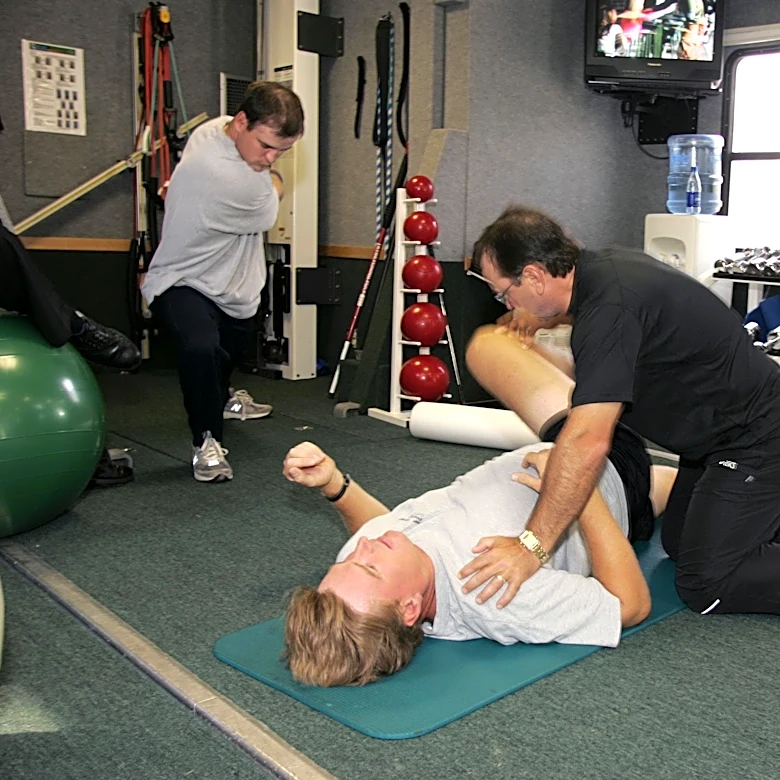
that make cramping more likely, the primary mechanism involves an imbalance between signals that tell a muscle to contract and those that tell it to relax. When a muscle becomes fatigued, excitatory signals from muscle spindles increase, and inhibitory signals from Golgi tendon organs decrease, making the muscle more prone to involuntary contraction. Gentle stretching is highly effective for immediate cramp relief, as it increases tension in the muscle-tendon unit, activating Golgi tendon organs that inhibit overactive motor neurons.
Why It's Important?
This understanding of muscle cramps is crucial for athletes, fitness enthusiasts, and healthcare professionals in the U.S. It shifts the focus from solely hydration and electrolyte replacement to a more comprehensive approach involving training progression and fatigue management. For individuals engaged in physical activity, this knowledge can lead to more effective cramp prevention strategies, potentially reducing discomfort and improving performance. Industries related to sports nutrition and training may need to adapt their recommendations to emphasize neuromuscular conditioning alongside hydration. This insight can also inform public health campaigns aimed at promoting safe and effective exercise practices, ultimately contributing to a healthier and more active population.
What's Next?
Future strategies for preventing muscle cramps will likely emphasize gradual increases in training volume and intensity, targeted strength training for cramp-prone muscles, and adequate recovery. Athletes and coaches may incorporate more specific conditioning programs designed to build fatigue resistance. While electrolytes and hydration remain important, they will be viewed as part of a broader strategy rather than the sole solution. Research may continue to explore the neurological mechanisms behind cramps, potentially leading to new interventions or therapies. Educational efforts will be vital to disseminate this updated understanding to the general public and athletic communities.
Beyond the Headlines
The re-evaluation of muscle cramp causes highlights the complexity of the human body's physiological responses to stress and exertion. It underscores the importance of a holistic approach to physical training and recovery, moving beyond simplistic explanations. This shift in understanding can also influence how individuals perceive and manage other exercise-related discomforts, encouraging a deeper engagement with their body's signals. The effectiveness of simple stretching for immediate relief also points to the body's inherent capacity for self-regulation when provided with the right stimulus, emphasizing the power of basic physical interventions.