




What's Happening?
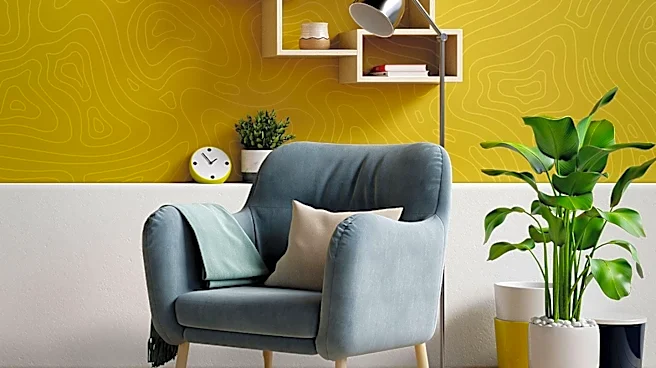
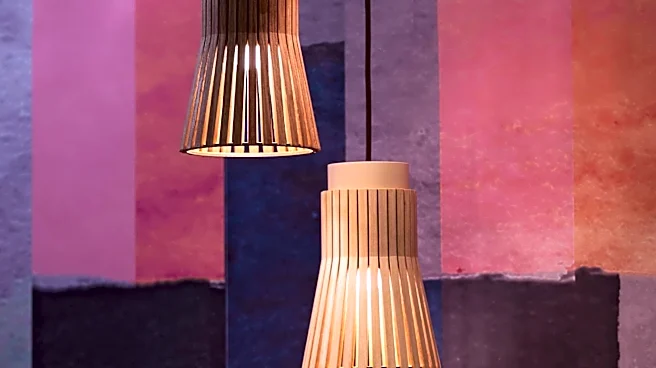
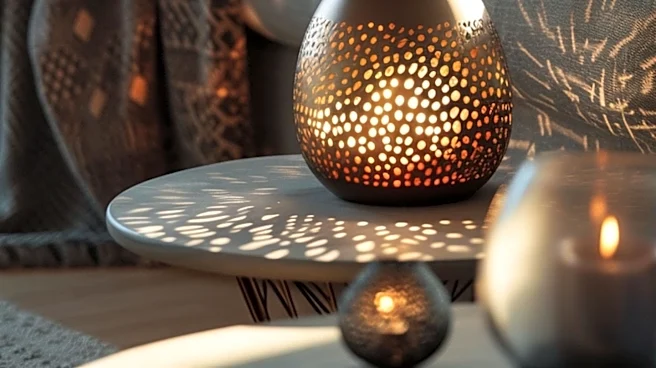
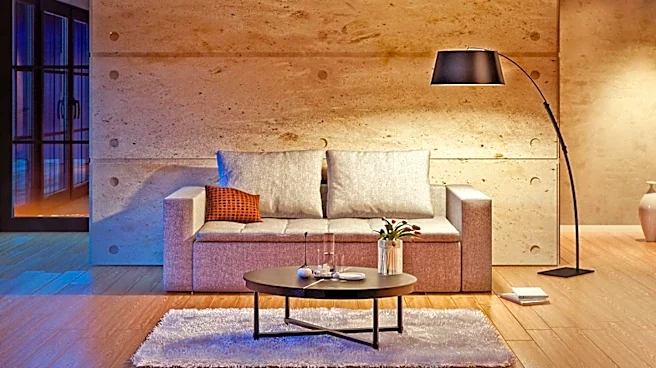
A growing home design trend, dubbed the 'No Big Light' movement, is seeing homeowners and designers move away from single, harsh overhead ceiling lights in favor of softer, layered ambient lighting. This approach utilizes multiple light sources such as
lamps, sconces, and candlelight to create more intimate, relaxing, and aesthetically pleasing environments. The trend, which gained significant traction after a viral social media video in 2022, emphasizes warm light temperatures (2200K–2700K) to support circadian health by signaling the end of the day, thereby aiding in winding down and improving sleep. Layered lighting also enhances a room's aesthetics by creating depth and highlighting textures, in contrast to overhead lights that can flatten a space and cast unflattering shadows. The movement is seen as a fundamental shift in how people desire their homes to feel after dark, prioritizing mood and well-being over clinical brightness.
Why It's Important?
This shift in home lighting preferences reflects a broader societal emphasis on well-being, comfort, and personalized living spaces. For the U.S. home decor and lighting industries, this trend signifies a growing demand for diverse lighting products beyond traditional overhead fixtures, including a wider array of table lamps, floor lamps, wall sconces, and even specialized products like candle sand. Manufacturers and retailers will need to adapt their offerings to cater to consumers seeking layered lighting solutions and warm color temperatures. The focus on circadian health also highlights an increasing consumer awareness of how environmental factors, such as lighting, impact physical and mental health. This could drive innovation in smart lighting systems that automatically adjust light intensity and color temperature throughout the day, aligning with natural human rhythms. Furthermore, the trend's emphasis on sustainability, particularly with reusable options like candle sand, points to an evolving consumer preference for eco-friendly home solutions.
What's Next?
The 'No Big Light' trend is expected to continue influencing home design and product development in the coming years. Consumers will likely see an expansion in the market for dimmable fixtures, smart lighting solutions that offer greater control over light temperature and intensity, and decorative ambient light sources. Interior designers and home staging professionals will increasingly incorporate layered lighting as a standard practice to create inviting and functional spaces. Educational efforts around the benefits of warm, layered lighting for mood and health may also increase, further solidifying this trend. Businesses in the lighting sector will likely focus on offering integrated solutions that combine various light types and smart home compatibility to meet the evolving demands of homeowners seeking to create restorative and aesthetically rich living environments.
Beyond the Headlines
The 'No Big Light' trend extends beyond mere aesthetics, touching upon deeper psychological and physiological aspects of human well-being. The preference for warm, soft lighting over harsh, cool illumination is rooted in our biological response to light, particularly its impact on melatonin production and sleep cycles. This trend can be viewed as a collective societal pushback against the pervasive 'always-on' culture, where bright, stimulating lights often extend into evening hours, disrupting natural rhythms. It signifies a desire for homes to be sanctuaries that actively support rest and recovery. Culturally, it reflects a move towards 'cocooning' and 'quiet luxury' in interior design, where comfort, intimacy, and a sense of calm are prioritized. This shift could also lead to a re-evaluation of lighting standards in public and commercial spaces, potentially influencing architectural and urban planning to incorporate more human-centric lighting designs that promote well-being.