




What's Happening?
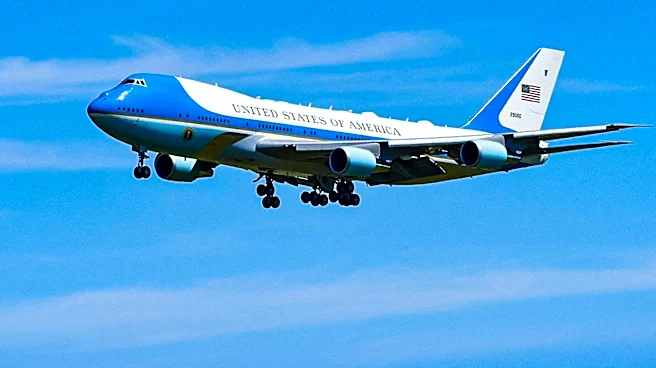
Boeing is facing significant financial challenges with its Air Force One program, as cost overruns have now exceeded $3.1 billion. The company has committed to covering these additional expenses, which have been attributed to engineering design changes,
schedule delays, and supplier performance issues. The program's cost has increased from an initial $3.9 billion to approximately $4.5 billion. President Trump played a role in negotiating the original contract, which capped taxpayer costs. Despite these challenges, Boeing is ramping up resources to deliver the modified 747-8 jets by 2028. The company reported a $428 million loss in the second quarter of 2026, reflecting ongoing financial difficulties.
Why It's Important?
The Air Force One program's financial strain underscores the risks associated with fixed-price contracts in the defense sector. Boeing's commitment to absorbing the cost overruns could impact its financial stability and ability to invest in other projects. The situation also highlights the complexities of managing large-scale government contracts, particularly when unexpected engineering and supplier issues arise. The financial burden from this program, combined with other challenges such as the 737 Max production delays, could affect Boeing's long-term strategic goals and market position.
What's Next?
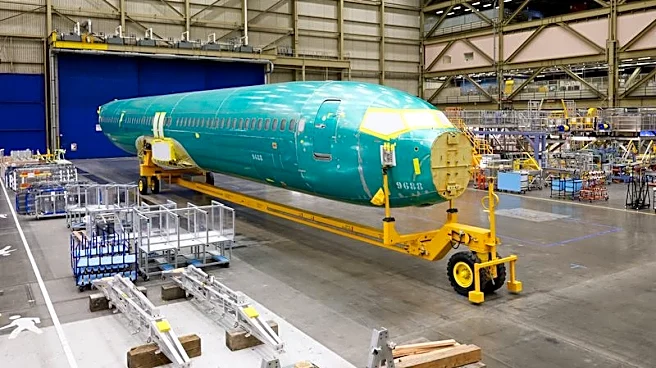
Boeing is focused on delivering the Air Force One jets by 2028, while managing the financial implications of the program. The company is also addressing other operational challenges, including the 737 Max production issues. Stakeholders will be monitoring Boeing's ability to navigate these challenges and maintain its competitive edge in the aerospace industry. The outcome of the Air Force One program could influence future government contract negotiations and Boeing's approach to managing large-scale projects.