

What's Happening?
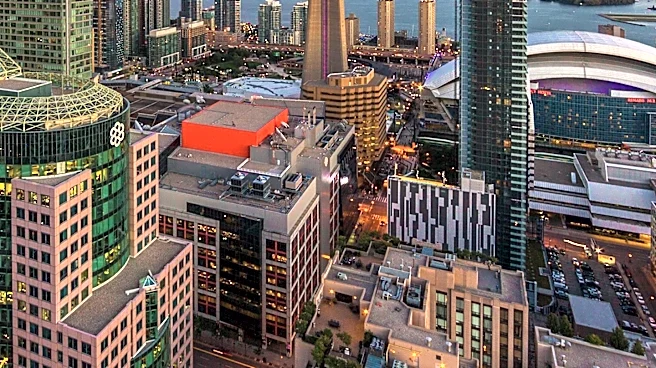
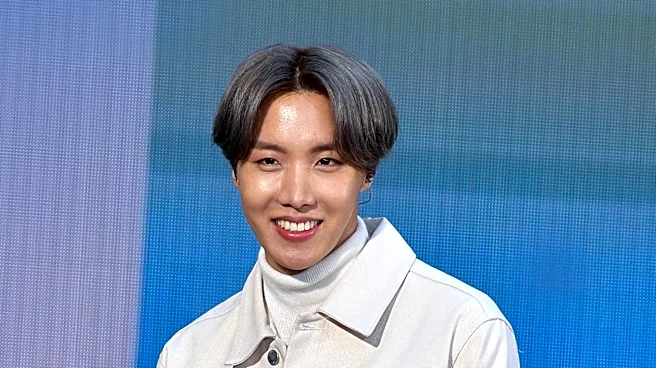
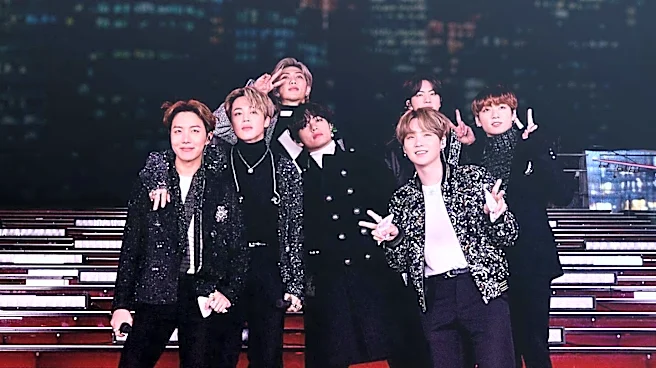
RM and J-Hope, members of the K-pop group BTS, are facing significant criticism after attending and posing for a backstage photo with American singer Chris Brown at his co-headlining concert with Usher in Toronto on August 12. J-Hope shared photos and videos
from the event on social media, and Brown later posted a photo featuring himself with both RM and J-Hope. This public association has drawn backlash from fans who question the bandmates' decision to align with Brown, whose career has been marked by multiple legal controversies, including a 2009 guilty plea for assaulting his then-girlfriend Rihanna, and other allegations of violence. The controversy escalated when The Pixel Project, a nonprofit dedicated to ending violence against women, indefinitely suspended RM from its list of '16 Male Role Models Helping to Stop Violence Against Women.' The organization had previously included RM in 2024 for his efforts against misogyny and support for women in the arts.
Why It's Important?
This incident highlights the ongoing debate surrounding celebrity accountability and the impact of public figures' associations. For RM and J-Hope, their immense global influence means their actions are scrutinized, and their decision to appear with Brown has inadvertently platformed him to their millions of fans. This raises questions about the responsibility of public figures to consider the messages their actions convey, especially when interacting with individuals accused or convicted of serious offenses like violence against women. The suspension of RM from The Pixel Project's role model list underscores the tangible consequences of such associations, affecting his public image and the perception of his advocacy. The situation also reflects a broader societal expectation for celebrities to align their public actions with ethical standards, particularly concerning issues of gender-based violence.
What's Next?
Neither RM, J-Hope, nor their agency, Big Hit Music, has publicly addressed the criticism. The lack of a statement could further fuel the debate among fans and advocacy groups. The Pixel Project indicated they waited a week for RM to respond before taking action, suggesting that a public acknowledgment or explanation from the artists could potentially influence future perceptions or actions by such organizations. The incident may prompt other advocacy groups or public figures to weigh in, further shaping the narrative around celebrity responsibility. Depending on how the situation evolves, it could lead to more discussions within the entertainment industry about vetting public appearances and associations for artists with significant social influence.
Beyond the Headlines
The controversy extends beyond a simple concert attendance, touching upon deeper ethical and cultural dimensions of celebrity. It forces a re-evaluation of how fans and the public perceive endorsements, even indirect ones, and the moral obligations of those in the public eye. The incident also brings to the forefront the concept of 'cancel culture' and its application to artists who associate with controversial figures. While some defend RM and J-Hope, arguing that attending a concert does not equate to endorsing past actions, others emphasize the power of their platform and the implicit message sent. This event could contribute to a broader shift in how public figures navigate their personal and professional relationships, especially in an era where social media amplifies every action and association.