




What's Happening?
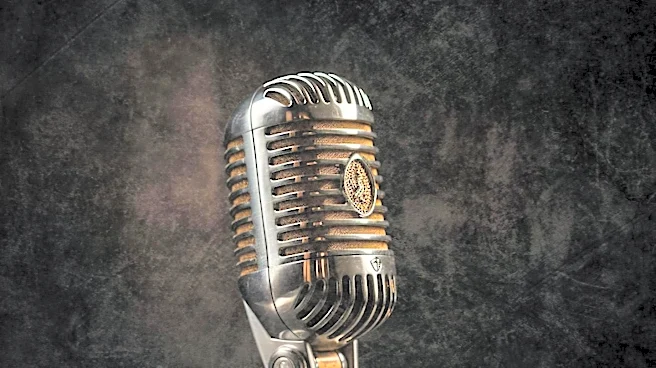
XALO Records, a new boutique label, has launched with a unique archival project: the restoration and release of long-lost 1964 orchestral recordings by French singer Jacqi Blanchon. The label was founded by Blanchon’s grandson, musician and filmmaker
Talain, who dedicated a decade to searching for and restoring these tapes, which had been missing for approximately 60 years. The original recordings were never released at the time. The recovery process was initiated after a French record collector sent a letter that provided crucial information. The label's founding collection will consist of 3,333 numbered editions, including limited-run 45 RPM vinyl that pairs Blanchon’s original 1964 recordings with new reimaginings featuring other artists, alongside portraiture and printed works. The project is designed as a direct-to-supporter release, bypassing third-party marketplaces, and will allow buyers to follow the restoration process via the XALO Records app, which includes an interactive 3D viewer for each edition. The first restored recording from Blanchon’s 1964 sessions is expected this fall, with additional music, films, and live performances planned.
Why It's Important?
The launch of XALO Records and its inaugural project is significant for several reasons. It represents a dedicated effort to preserve and reintroduce historical musical works that were previously unavailable to the public, enriching the cultural landscape. For music enthusiasts and historians, it offers a rare opportunity to experience a lost piece of musical heritage. The direct-to-supporter model employed by XALO Records challenges traditional music distribution channels, potentially setting a new precedent for independent labels and artists seeking more direct engagement with their audience. This approach could empower creators and provide greater transparency in the production and distribution process. Furthermore, the involvement of contemporary collaborators like Rob Moose and Jon Castelli, known for their work with prominent artists, lends credibility and modern appeal to the archival project, bridging the gap between historical music and current industry standards. This initiative highlights the enduring value of artistic legacy and the innovative ways technology can be used to bring it to light.
What's Next?
The immediate next step for XALO Records is the release of the first restored recording from Jacqi Blanchon’s 1964 sessions this fall. Following this, the label plans to release additional music, films, and live performances related to the project. The success of this initial launch will likely determine the future trajectory of XALO Records and its direct-to-supporter model. If successful, it could inspire other artists and labels to explore similar archival and direct distribution strategies. The interactive XALO Records app will continue to be a key component, allowing buyers to track the restoration process and engage with the content. The limited-run numbered editions suggest a curated and exclusive experience for early supporters, which could foster a dedicated community around the label. The project's reception will be closely watched by those interested in music preservation, independent labels, and innovative distribution methods.
Beyond the Headlines
This project delves into the deeper implications of cultural preservation and the personal narratives intertwined with artistic legacies. Talain's decade-long search for his grandmother's recordings highlights the profound emotional and historical value placed on family heritage and artistic expression. It underscores the idea that every family may hold an 'unheard voice' that deserves to be discovered and shared. The use of modern technology, such as the interactive 3D viewer in the XALO Records app, to present historical content, demonstrates a forward-thinking approach to engaging contemporary audiences with archival material. This initiative also raises questions about the responsibility of descendants and cultural institutions to safeguard and disseminate artistic works that might otherwise be lost to time. It's a testament to the power of individual dedication in bringing forgotten art back into the public consciousness, enriching the collective cultural memory.