
What's Happening?
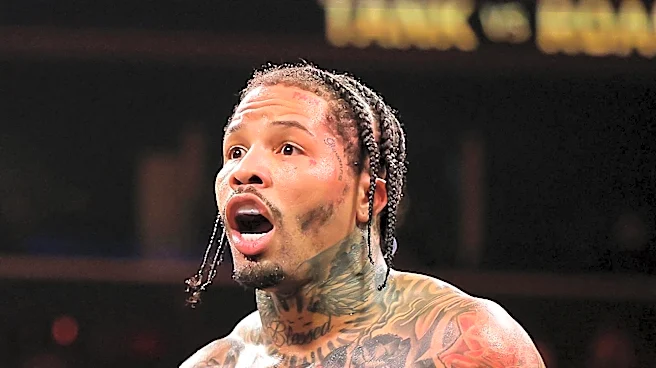
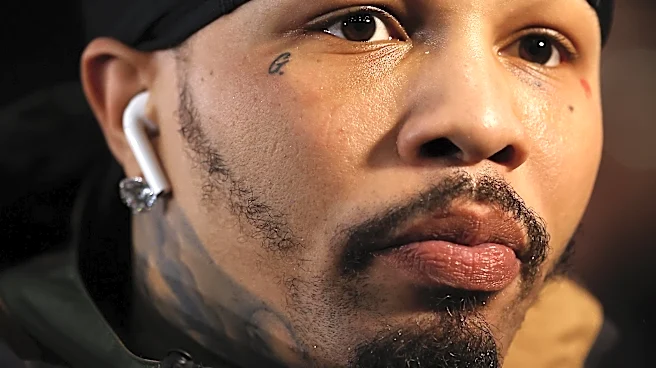
Gervonta Davis, a former world boxing champion, faces significant legal challenges that could jeopardize his planned March 2027 comeback. Davis has been actively discussing potential opponents, including
Jesse “Bam” Rodriguez, on social media. However, his ability to plan any concrete fights is uncertain due to unresolved criminal proceedings. Davis has not fought since a controversial majority draw with Lamont Roach Jr. in March 2025, marking nearly two years out of the ring. He was arrested in October 2025 on charges of attempted kidnapping, false imprisonment, and misdemeanor battery following allegations from his former girlfriend, Courtney Rossel. While a civil lawsuit with Rossel was settled, the criminal case in Florida remains active, with a trial scheduled to begin on February 1, 2027. Davis also reportedly faces a separate probation issue in Maryland related to a 2020 hit-and-run case.
Why It's Important?
This situation is critical for Gervonta Davis's career, as a conviction and potential imprisonment could derail his return to boxing. His prolonged absence from the ring, coupled with ongoing legal issues, impacts his standing in the sport and his ability to secure high-profile fights. The uncertainty surrounding his legal status also affects potential opponents and promoters, making it difficult to finalize any fight agreements. For the boxing world, the absence of a prominent fighter like Davis means a loss of potential marquee matchups and revenue. His legal troubles highlight the broader challenges athletes can face outside their professional careers, underscoring how personal conduct can significantly influence professional trajectories. The outcome of his trial will have substantial implications for his future in boxing and his public image.
What's Next?
Gervonta Davis's immediate future hinges on the outcome of his criminal trial scheduled for February 1, 2027. A conviction leading to imprisonment would effectively end his hopes for a March comeback and could significantly prolong his absence from boxing, potentially leading to a permanent career halt. Even if acquitted, the trial itself could disrupt his training and preparation for any planned fights. The boxing community, including promoters and potential opponents, will be closely watching the legal proceedings. If Davis is cleared, he would then need to secure a promoter and an opponent, and regain his fighting form after a long layoff. His reported probation issue in Maryland also adds another layer of legal complexity that could impact his ability to travel and compete. The WBA previously placed him in recess, and his return would require re-establishing his position within the sanctioning bodies.
Beyond the Headlines
The ongoing legal troubles of Gervonta Davis underscore the intense scrutiny public figures, especially athletes, face regarding their personal lives. This case highlights the intersection of legal systems and professional sports, where off-field conduct can have profound consequences on an athlete's career and public perception. It also brings to light the challenges faced by sports organizations in managing athletes with legal issues, balancing contractual obligations with ethical considerations and public image. The situation could serve as a cautionary tale for other athletes about the importance of personal conduct and legal compliance. Furthermore, the constant speculation and social media activity surrounding Davis's potential opponents, despite his unresolved legal status, reflect the pervasive nature of social media in modern sports discourse and how it shapes narratives around athletes' careers.