






What's Happening?
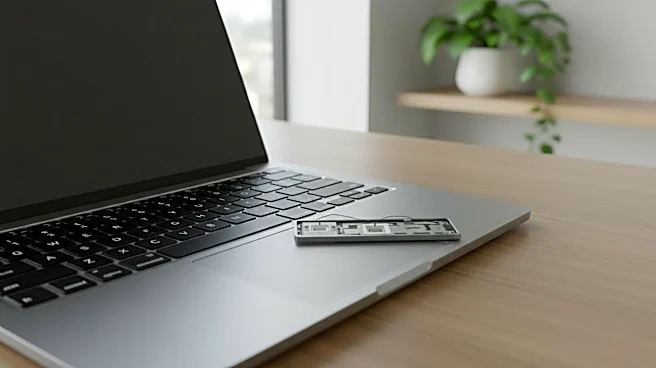
John Higgins, a senior reviewer for The Verge, reported an incident where his Senegal parrot, Kiyo, removed the spacebar from his MacBook Air keyboard. This event occurred despite Kiyo having numerous toys and a dedicated space. Higgins, who works from home,
described how Kiyo, despite being generally well-behaved due to his wife's training, occasionally acts out, especially when left unsupervised with his cage door open. This isn't the first time Higgins has experienced pet-related tech damage; a decade prior, his Razer Anansi keyboard lost nearly two dozen keys to his Chihuahua. The recent incident forced Higgins to use an external keyboard, the HyperX Alloy Origins, connected via his monitor's USB hub, as a temporary solution for his MacBook. However, this setup is imperfect, as the laptop's internal keyboard remains exposed and vulnerable, and a fully functional laptop keyboard is necessary for mobile use.
Why It's Important?
This incident underscores a common, yet often overlooked, challenge for remote workers and technology users who share their living spaces with pets. The increasing prevalence of working from home means more individuals are integrating their professional tools into environments where pets are present, leading to potential damage to expensive electronics. For tech reviewers like Higgins, whose livelihood depends on functional equipment, such incidents can disrupt work and incur repair costs. Beyond the immediate inconvenience, it highlights a broader issue for consumers: the need for durable and pet-resistant technology, or at least effective strategies for protecting devices from curious or destructive animals. The cost of replacing or repairing keyboards, especially integrated laptop keyboards, can be significant, impacting personal finances and productivity. This scenario also points to the emotional aspect of pet ownership, where the joy and companionship pets provide are weighed against occasional mishaps.
What's Next?
Higgins plans to seek a repair for his MacBook's spacebar at a Genius Bar. In the interim, he continues to use an external keyboard, though this is not a permanent solution. The incident has prompted him to consider better protective measures for his laptop, such as ensuring it is closed when not in use, especially with Kiyo nearby. The article also references online discussions and suggestions from other pet owners facing similar issues, including using plastic keyboard covers or providing pets with their own 'decoy' keyboards. However, these solutions often come with their own drawbacks, such as pets learning to remove covers or the potential for them to view keyboards as chew toys. This ongoing challenge suggests a need for more innovative pet-proofing solutions from tech manufacturers or a greater awareness among pet owners about safeguarding their devices.
Beyond the Headlines
The story delves into the often-unspoken realities of coexisting with pets in a technology-dependent world. It highlights the delicate balance between the emotional benefits of pet ownership and the practical challenges they can present, particularly in a home office setting. The incident with Kiyo and the previous one with the Chihuahua illustrate a recurring theme: pets, driven by instinct or curiosity, can interact with human objects in unexpected ways. This raises questions about product design and whether manufacturers should consider pet-proofing as a factor, especially for devices commonly used in homes. Furthermore, it touches upon the psychological aspect of pet ownership, where the occasional 'mayhem' is accepted as part of the bond, even if it means a trip to the repair shop. The narrative also subtly critiques the design of laptop keyboards, which, unlike external mechanical keyboards, are often more vulnerable and costly to repair when damaged.