
What's Happening?
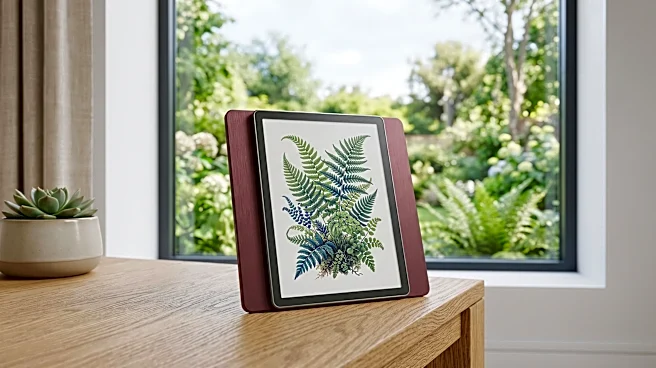
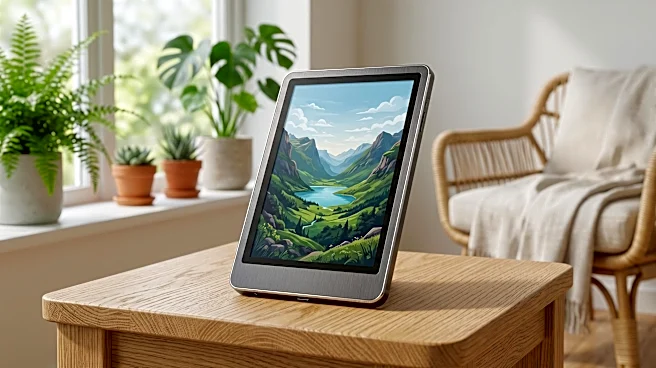
Amazon Kindles are increasingly offering customization features designed to make the digital reading experience more akin to reading a physical book. Users can alter various display settings, including
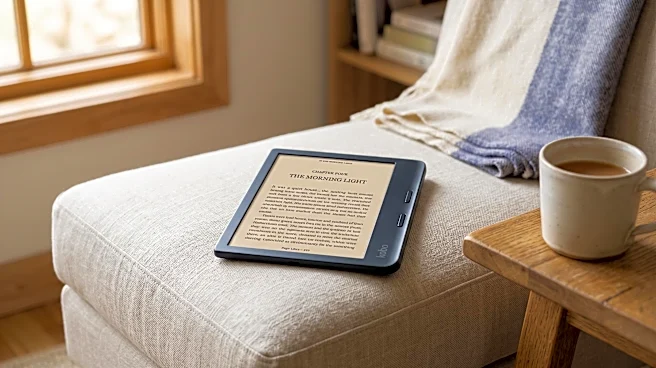
changing fonts to serif styles like Baskerville or Palatino to mimic traditional print. Layout adjustments, such as combining landscape mode with a two-column display and widening margins, can create a more book-like page appearance. Additionally, adjusting brightness and warmth settings can reduce the harshness of a digital screen, making it feel more like paper. Newer Kindle models, including the Colorsoft, Paperwhite, and Scribe, also support page-turn animations, which provide a gentle visual transition between pages, contributing to the illusion of turning a physical page.
Why It's Important?
These customization options are significant for U.S. readers who appreciate the convenience of e-readers but miss the tactile and aesthetic qualities of physical books. By allowing users to personalize their reading interface, Amazon aims to bridge the gap between digital and traditional reading, potentially increasing user satisfaction and adoption of e-readers. The ability to adjust visual elements like font, layout, brightness, and warmth can reduce eye strain and create a more comfortable, immersive reading environment. This focus on user experience could help Amazon maintain its market leadership by addressing a common complaint about digital books and making e-readers more appealing to a broader audience, including those who have historically preferred physical copies.
What's Next?
As e-reader technology continues to evolve, it is likely that Amazon will further refine these customization features and introduce new ones to enhance the physical book-like experience. Future updates may include more advanced haptic feedback to simulate page turns, improved screen technologies that more closely replicate paper, or even more sophisticated AI-driven personalization based on individual reading habits. The ongoing development of accessories, such as book-like covers, also indicates a market demand for blending digital convenience with traditional aesthetics. These continuous improvements aim to make e-readers an even more compelling alternative to physical books, potentially expanding the digital reading market.
Beyond the Headlines
The effort to make e-readers feel more like physical books reflects a deeper cultural tension between technological advancement and nostalgic preferences. It highlights that for many, reading is not just about consuming information but also about a sensory and aesthetic experience. The success of these customization features suggests that technology can adapt to human preferences rather than solely dictating new behaviors. This trend could influence other digital products, where user interfaces are designed to evoke familiar, comforting experiences from the analog world. It also underscores the enduring appeal of the book as an object, even in an increasingly digital age, and the creative ways technology is attempting to emulate its timeless qualities.